
Witr dua is something many Muslims want to recite correctly but often feel unsure about, especially when it comes to pronunciation or exact wording. Some know parts of it from memory, while others have never learned the full text. This guide walks through everything you need in simple, clear steps.
If you’d like to learn Namaz, Quran with Tajweed, or Qaida, our team brings over 15 Years Teaching Experience to students of every background, including a female Quran tutor for sisters/daughters upon request.
📖 For deeper reading on daily dua and worship, consider: Fortress of the Muslim — a well-loved invocation collection.
Also Read: Namaz Dua (Masnoon Duain) PDF Download

Common Confusion Around Witr Dua
Many people search for dua Witr, dua Qunoot Witr, or dua Witr Qunoot, unsure if these are separate duas or the same recitation. This mix-up is common, especially among those still learning Arabic pronunciation.
What Quran and Hadith Say
Allah describes night worship in Surah Al-Isra, instructing the believer to stand in prayer during part of the night as something additional, hoping to be raised to a praiseworthy station. Read it here: Alim.org — Surah Al-Isra 17:79.
A second reference appears in Surah Al-Muzzammil, where Allah describes believers spending nearly two-thirds of the night in prayer, or half, or a third, showing flexibility in night devotion. Read it here: Alim.org — Surah Al-Muzzammil 73:20.
On the Hadith side, one narration describes the Prophet ﷺ teaching his grandson Al-Hasan a specific dua to recite in Witr, which forms the basis of the Qunoot Witr dua recited today. This appears in Sahih al-Bukhari on Sunnah.com.
Another hadith confirms the Prophet ﷺ regularly recited this dua in Witr, showing its established place within the Sunnah of nightly prayer. Find this narration in Sahih Muslim on Sunnah.com.
Also Read: Dua After Praying – Do This For Rizq, Mercy & Blessings!
Reciting Witr Dua Step-by-Step
Here’s a simple checklist for reciting dua Witr correctly:
- Timing: Recite this dua in the final rakat of Witr, after standing up from Ruku.
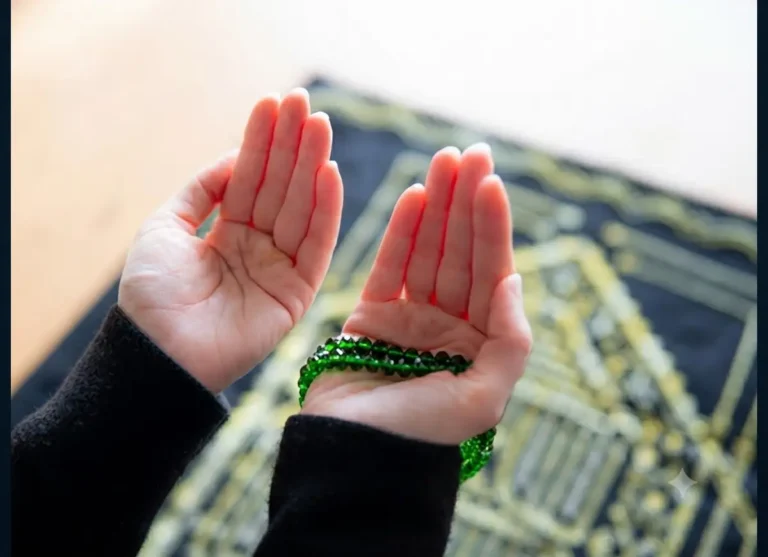
- Method: Raise your hands as you would for regular dua, then recite the words clearly.
- Language: Recite in Arabic if possible, though reciting in your own language is fine while learning.
- Practice: Repeat dua Qunoot Witr daily until it becomes second nature and easy to recall.
- Sincerity: Focus on the meaning, not just memorization, since sincerity matters most in dua.
Complete Witr Dua (Dua-e-Qunut): Arabic, Urdu, and English
Arabic:
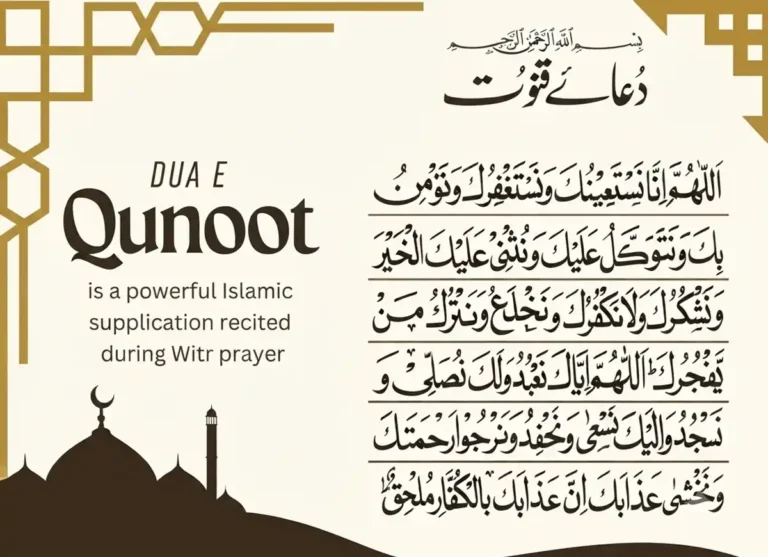
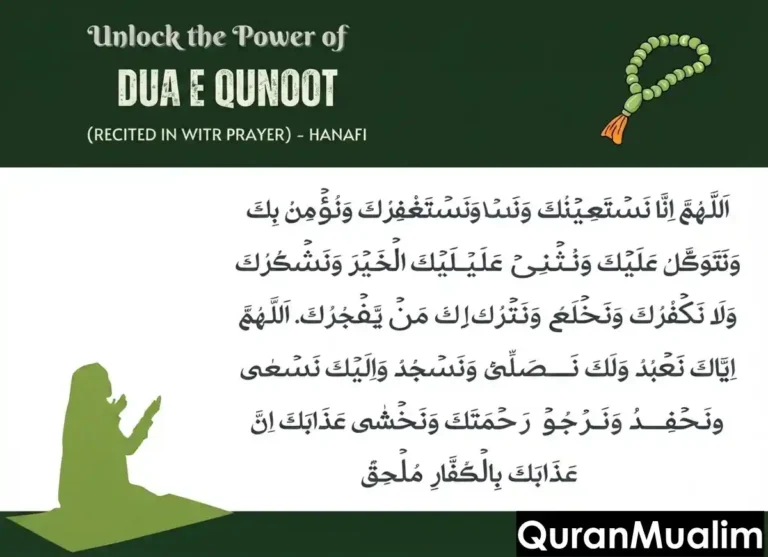
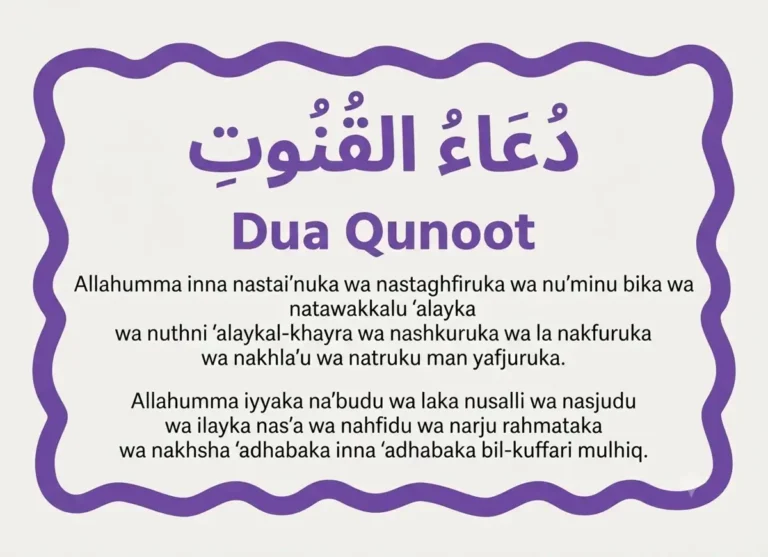
اللَّهُمَّ إِنَّا نَسْتَعِينُكَ وَنَسْتَغْفِرُكَ وَنُؤْمِنُ بِكَ وَنَتَوَكَّلُ عَلَيْكَ وَنُثْنِي عَلَيْكَ الْخَيْرَ كُلَّهُ نَشْكُرُكَ وَلَا نَكْفُرُكَ وَنَخْلَعُ وَنَتْرُكُ مَنْ يَفْجُرُكَ اللَّهُمَّ إِيَّاكَ نَعْبُدُ وَلَكَ نُصَلِّي وَنَسْجُدُ وَإِلَيْكَ نَسْعَى وَنَحْفِدُ نَرْجُو رَحْمَتَكَ وَنَخْشَى عَذَابَكَ إِنَّ عَذَابَكَ بِالْكُفَّارِ مُلْحِقٌ
Urdu Translation:
اے اللہ! ہم تجھ سے مدد چاہتے ہیں، تجھ سے بخشش مانگتے ہیں، تجھ پر ایمان رکھتے ہیں، تجھ پر بھروسہ کرتے ہیں اور ہر بھلائی کے ساتھ تیری تعریف کرتے ہیں۔ ہم تیرا شکر ادا کرتے ہیں اور ناشکری نہیں کرتے، اور ہم اسے چھوڑ دیتے ہیں جو تیری نافرمانی کرے۔ اے اللہ! ہم صرف تیری ہی عبادت کرتے ہیں، تیرے ہی لیے نماز پڑھتے اور سجدہ کرتے ہیں، تیری ہی طرف دوڑتے اور کوشش کرتے ہیں۔ ہم تیری رحمت کی امید رکھتے ہیں اور تیرے عذاب سے ڈرتے ہیں، بے شک تیرا عذاب کافروں کو پہنچنے والا ہے۔
English Translation:
O Allah, we seek Your help, we ask Your forgiveness, we believe in You, and we place our trust in You. We praise You with all goodness, we thank You and do not disbelieve, and we distance ourselves from whoever disobeys You. O Allah, You alone we worship, to You we pray and prostrate, toward You we hasten and strive. We hope for Your mercy and fear Your punishment, for Your punishment truly reaches the disbelievers.
Also Read: Learn Dua Qunoot in Arabic Text PDF Download
Table: Witr Dua at a Glance
| Element | Detail |
| Recited In | Final rakat of Witr prayer |
| Position | After standing up from Ruku |
| Language | Arabic preferred, own language acceptable while learning |
| Also Known As | Dua-e-Qunut, Qunoot Witr |
Why Witr Dua Matters
Reciting this dua turns Witr into a personal conversation with Allah, seeking help, forgiveness, and guidance right before you sleep. It’s a small addition to Salah that carries deep spiritual weight.
According to Wikipedia, Witr is an odd-numbered prayer performed after Isha, and its accompanying dua is a well-established part of Islamic nightly practice. Read more: Wikipedia — Witr. Britannica also outlines how such recitations fit within broader Islamic ritual prayer.
For deeper study, visit the Islamic Teachings Forum to ask questions, or check detailed rulings at IslamQA. You can also explore more Islamic learning resources at www.quranmualim.com.
Also Read: Islamic Studies Books Grades 1-12 PDF Download
Hanafi Fiqh References for Further Reading
For readers wanting classical depth on Witr and its dua, these Hanafi fiqh titles are commonly available in libraries and Islamic archives:
- Al-Hidayah by Burhan al-Din al-Marghinani
- Maraqi al-Falah by Hasan ibn Ammar al-Shurunbulali
- Bahishti Zewar by Ashraf Ali Thanvi (sections on Salah and dua)
- Fatawa Qazi Khan by Fakhr al-Din Qazi Khan
Also Read: Most Powerful Dua For Instant Miracle

Frequently Asked Questions
Is dua Witr the same as dua Qunoot Witr?
Yes, both terms refer to the same recitation performed in the final rakat of Witr prayer, right after Ruku.
Can I recite dua Witr Qunoot in English?
Yes, reciting in your own language is acceptable while learning Arabic, though Arabic is recommended once you’re comfortable.
Where in the prayer do I recite this dua?
Recite it after standing up from Ruku in the final rakat of your Witr prayer, before going into Sujood.
Do I need to raise my hands during this dua?
Yes, most scholars recommend raising your hands during Qunoot Witr, similar to how you would for regular dua.
Is it necessary to memorize the entire dua at once?
No, you can start with a shorter version and gradually memorize the complete dua as you become more comfortable.
Final Thoughts
Learning the Witr dua adds real depth to your nightly Salah, turning a simple prayer into a heartfelt conversation with Allah. With regular practice, it becomes a comforting close to every day.
Ready to deepen your understanding of Salah, Tafseer, and Quranic Arabic? Reach out via WhatsApp at +923017363500, email [email protected], or visit www.quranmualim.com. Follow us on YouTube @quranmualim for lessons that make daily worship easier to understand.
Check Also Similar Post:
- Can I Pray Witr After Fajr?
- Is Witr Mandatory? – Learn Islam
- Can You Pray Tahajjud After Witr?
- How To Pray Salah Witr? Learn Islam
- How To Do Witr Prayer? – Learn Islam
- Can You Pray Tahajjud After Witr Namaz?
- Do You Pray Witr After Tahajjud? Learn Islam
- How To Pray Witr Step-by-Step? – Learn Islam
- How To Pray Witr Prayer Correctly? – Learn Islam
- Witr Namaz: A Complete Guide For Every Muslim
- What Is Witr? A Complete Guide for Every Muslim
Check Also Similar Post:
A) How-to Pray
- How Many Rakats in Tahajjud Prayer?
- Can I Pray Tahajjud Without Sleeping?
- Night Prayer: Powerful Prayers For The Evening
- How To Pray Tahajjud Step By Step? Learn Islam
- How To Read Tahajjud Prayer? A Step By Step Guide
B) Timing (Tahajjud Prayer)
- Best Time to Pray Tahajjud Namaz
- What Time is Best For Tahajjud Prayer?
- The Best Time For Tahajjud Salaah – learn Islam
- Tahajjud Prayer Before Sleep At Night – Learn Islam
- Last Third of The Night- Calculate The Last Third of The Night
C) Rulings / FAQs
- Can You Pray Tahajjud After Witr?
- Is Tahajjud Sunnah or Nafl? Learn Islam
- Is Qiyam and Tahajjud Same? Learn Islam
- What Should Be The Tahajjud Prayer Niyat?
D) Duas
- Powerful Dua After Tahajjud Namaz
- learn Best tahajjud Dua For Success – Learn Islam
- Tahajjud Dua in English Transliteration & Translation