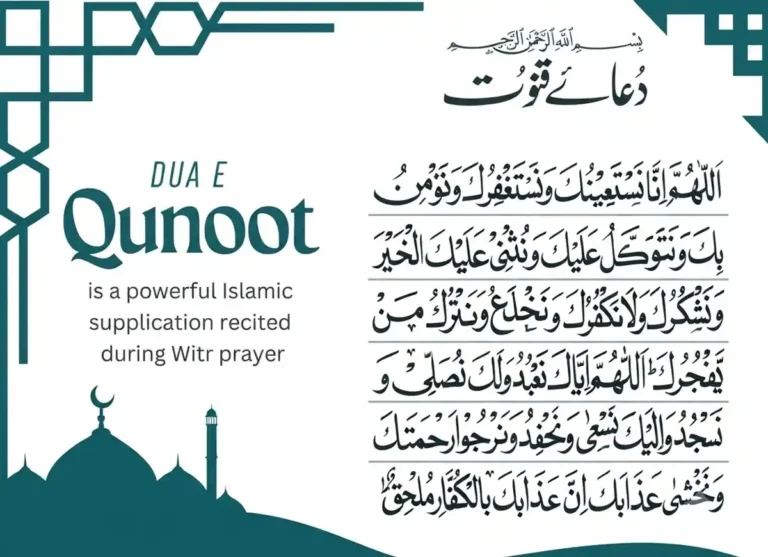


Qunoot is a word many Muslims hear long before they ever look it up, usually while standing in Witr prayer listening to the imam pause after ruku. It sounds important, and it is, but the meaning behind it often stays fuzzy for years. This guide clears that up in plain, simple terms.
This short Islamic supplications guide on Amazon is a handy companion if you want a printed reference to keep near your prayer mat.
What Is a Dua?
Before understanding qunoot specifically, it helps to understand dua itself. A dua is simply a supplication — a direct request or conversation with Allah. It can be spoken in any language, at almost any time, and doesn’t require a fixed script beyond a few structured duas taught in the Sunnah.
Why Dua Is Important
Dua is central to worship because it reflects humility and dependence on Allah. The Prophet ﷺ described it as the essence of worship itself. Making dua regularly, whether during prayer or outside of it, strengthens a person’s connection to Allah and builds the habit of turning to Him in both ease and hardship.
What Is Qunoot?
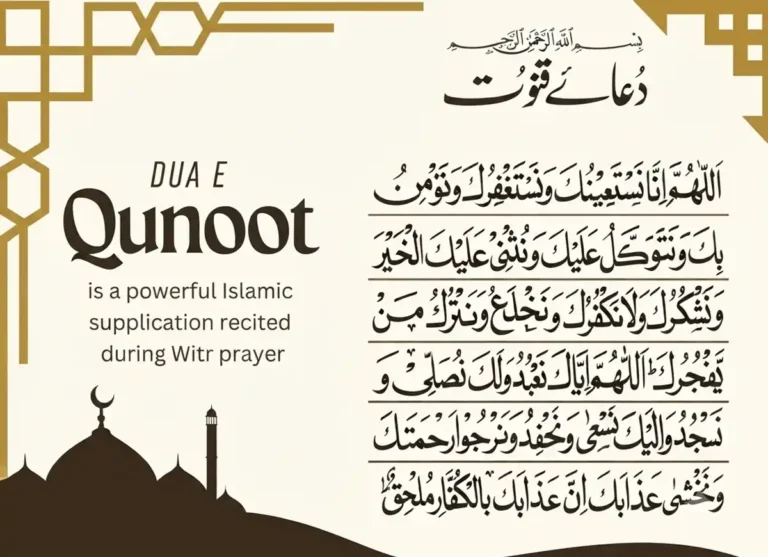
So, what is qunoot? Linguistically, it means devout obedience, humility, or prolonged standing in worship. In practice, it refers to a specific act of pausing during prayer to recite a supplication while standing, most commonly in Witr, though it also appears in other prayers during times of hardship.
What Is Qunoot Dua?
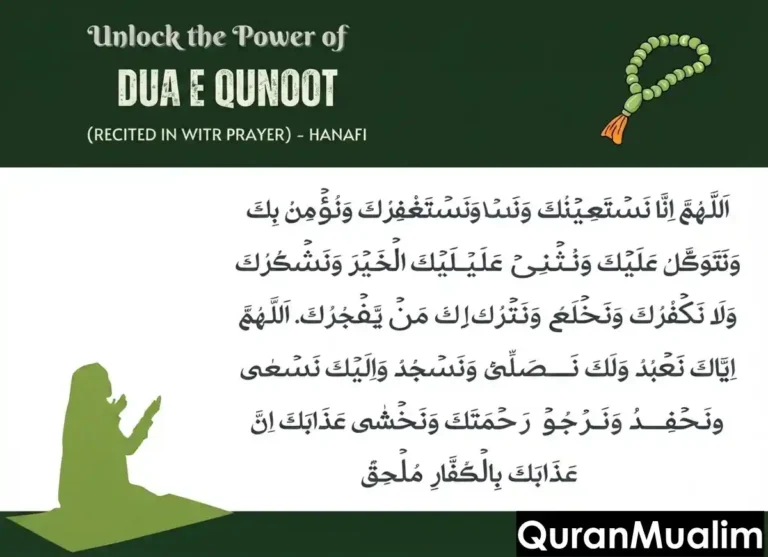
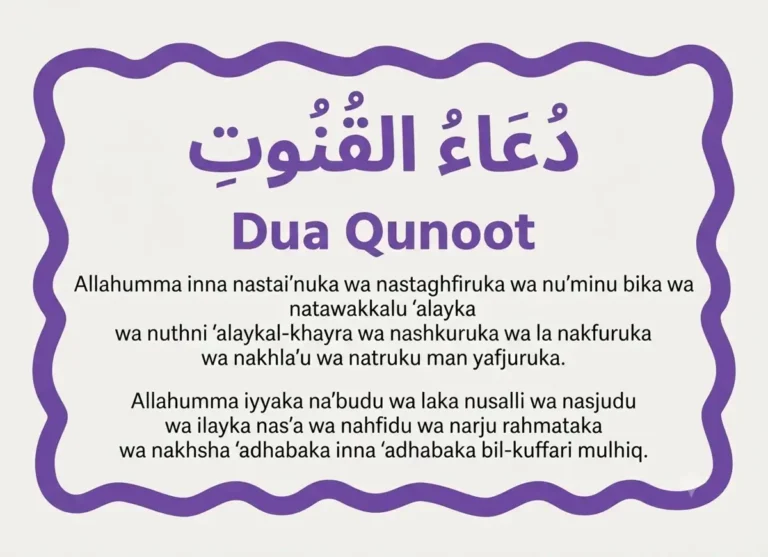
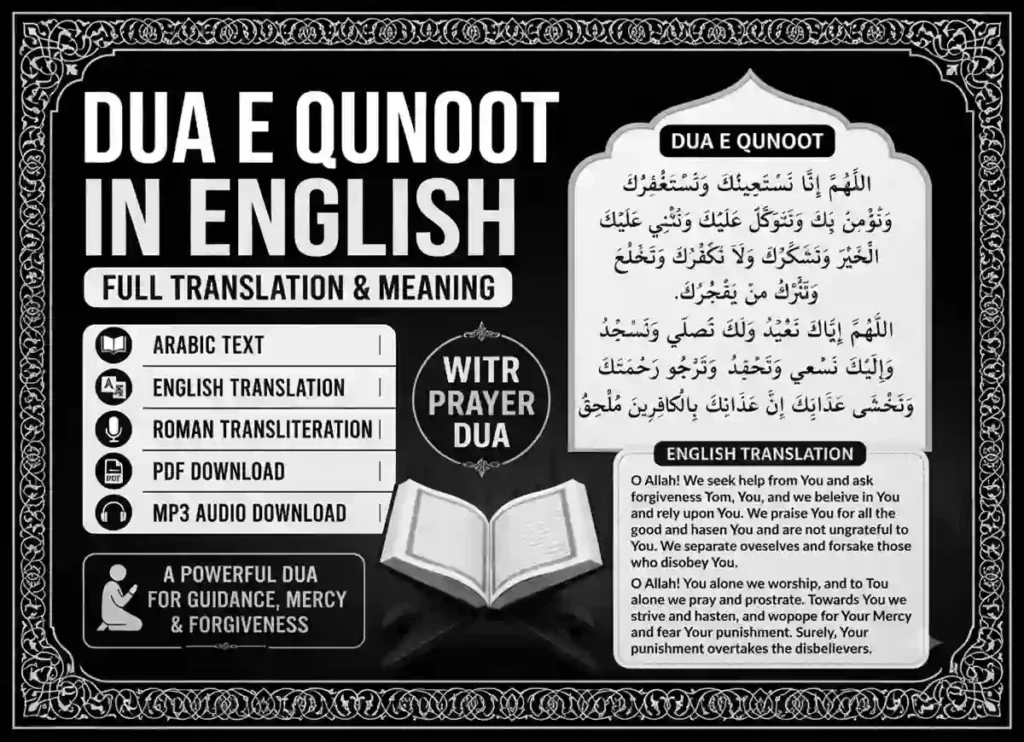
When people ask what is qunoot dua, they usually mean the specific wording recited during this pause. The most well-known version comes from a hadith where the Prophet ﷺ taught these exact words to his grandson, Al-Hasan ibn Ali, for use in Witr. It’s one of several respected duas for qunoot, though this particular wording is by far the most widely recited.
Also Read: How To Pray Complete Namaz With Urdu translation Step by Step
What Is Dua Qunoot?
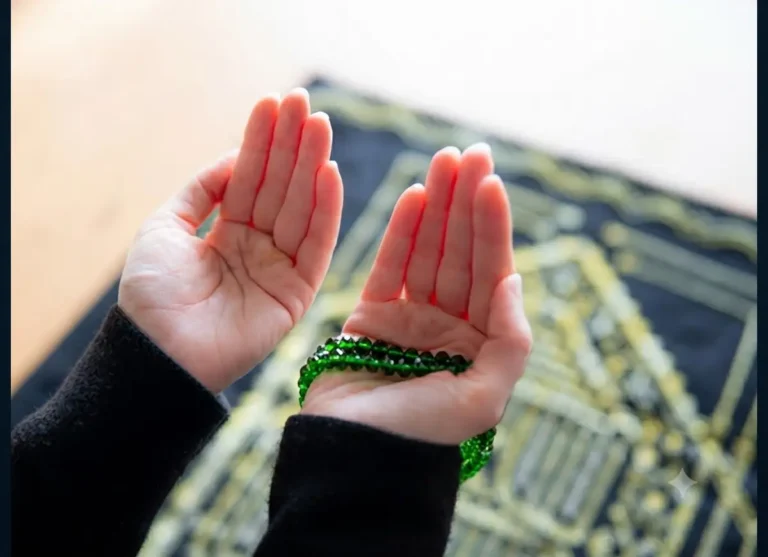
Dua Qunoot refers to that same supplication — guidance, protection, well-being, and blessing wrapped into a few lines. It’s recited while standing, hands raised to around chest height, either just before or just after bowing depending on which school of thought you follow.
When Is Dua Qunoot Recited?
It’s recited in the third rakat of Witr prayer, right around the ruku. Some scholars place it before bowing, others after, and both positions are supported by authentic narrations. A separate form, Qunoot Nazilah, is added temporarily to other prayers during community hardship, not as part of the regular nightly routine.
Also Read: Everything You Need to Know About Witr: Dua For Witr Namaz
Quran Verses on the Value of Supplication
- Surah Ghafir 40:60 — Allah instructs believers to call upon Him and promises a response, establishing dua as a central act of worship. Read on Quran.com
- Surah Al-Baqarah 2:186 — Allah reassures believers that He is near, and answers the call of anyone who sincerely turns to Him. Read on Quran.com
Hadith References
The primary hadith on this topic comes from Al-Hasan ibn Ali, who narrated that the Prophet ﷺ taught him specific words to recite during this pause, covering guidance, well-being, and protection. See related account in Sahih al-Bukhari 1002, describing the Prophet ﷺ reciting it after ruku during a period of hardship.
A parallel narration appears in Sahih Muslim, describing the same practice, and showing how it has both a regular Witr form and a special-occasion form used during difficulty. See Sahih Muslim 677a.
Quick Reference Table
| Term | Simple Meaning |
| Dua | A supplication or request made to Allah |
| Qunoot | Standing humbly in prayer to recite a specific supplication |
| Dua Qunoot | The specific wording recited during qunoot in Witr |
| Qunoot Nazilah | A temporary version recited during community hardship |
Also Read: Dua After Praying – Do This For Rizq, Mercy & Blessings!
Hanafi Fiqh References
For readers who want to explore Witr and this practice’s rulings in more depth, these classical Hanafi texts are commonly found in Islamic libraries and archives:
- Al-Jawhara al-Nayyira by Abu Bakr al-Haddadi
- Tuhfat al-Fuqaha by Ala al-Din al-Samarqandi
- Al-Bahr al-Ra’iq by Ibn Nujaym
Where to Learn More
For deeper, school-specific detail on these rulings, IslamQA and the discussion threads on IslamicTeachings.org are reliable places to dig further. You’ll also find related Witr and prayer structure guides on quranmualim.com for a fuller walkthrough.
For background on how supplication fits into the wider structure of prayer, Wikipedia’s entry on Rak’ah and Britannica’s biography of Muhammad offer useful context.
Also Read: How to Pray Salah: Step-by-Step Guide (Wudu + Fajr, Zuhr, Asr, Maghrib, Isha)
FAQs
What does the word Qunoot actually mean?
It means devout obedience or standing humbly in worship. In practice, it refers to the pause in prayer used for a specific supplication.
Is Qunoot only recited in Witr?
Mostly, yes. A separate version called Qunoot Nazilah is temporarily added to other prayers during times of community hardship.
Do I have to recite the exact wording taught to Al-Hasan?
It’s recommended, but scholars allow substituting other sincere duas or Quranic verses if you haven’t memorized the exact wording yet.
Does skipping Qunoot invalidate my prayer?
No. It’s sunnah, not obligatory, so Witr remains fully valid even if you occasionally leave it out.
Why do some imams recite it before ruku and others after?
Both positions are supported by authentic hadith. Different schools of thought weigh the evidence differently, and both practices are valid.
Categories: Namaz ,Zakat , Roza , Prayer , Hadith & Supplications

Final Thoughts
Understanding Qunoot turns an unfamiliar pause in prayer into something meaningful and personal. Once you know what it means and why it’s recited, that quiet moment in Witr becomes a genuine conversation with Allah rather than just another part of the routine.
Brought to you by Alasad Online Quran Tutor — visit Quranmualim.com for more Quran and Tajweed learning resources, or reach us on WhatsApp and YouTube (@quranmualim) to start your own learning journey.
Check Also Similar Post:
- Can I Pray Witr After Fajr?
- Is Witr Mandatory? – Learn Islam
- Can You Pray Tahajjud After Witr?
- How To Pray Salah Witr? Learn Islam
- How To Do Witr Prayer? – Learn Islam
- Witr Ki Dua (Dua e Qunoot) – Learn Islam
- Can You Pray Tahajjud After Witr Namaz?
- Dua e Qunoot (Recited Dua Qunoot in Witr)
- Do You Pray Witr After Tahajjud? Learn Islam
- How To Pray Witr Step-by-Step? – Learn Islam
- Witr Dua (recited in Witr prayer) – Learn Islam
- Dua Qunoot Dua For Witr Prayer – Learn Islam
- Dua e Qunoot in Arabic (Recited in Witr Prayer)
- Everything You Need to Know About Witr Namaz
- How To Pray Witr Prayer Correctly? – Learn Islam
- Witr Namaz: A Complete Guide For Every Muslim
- What Is Witr? A Complete Guide for Every Muslim
- Dua e Qunoot English Translation and Transliteration
- Qua e Qunoot English Transliteration (Roman English)
- How To Pray 3 Rak’ahs of Witr Prayer (Hanafi Method)
- Dua Qunoot: What It Is, Why It Matters & How to Perform It