
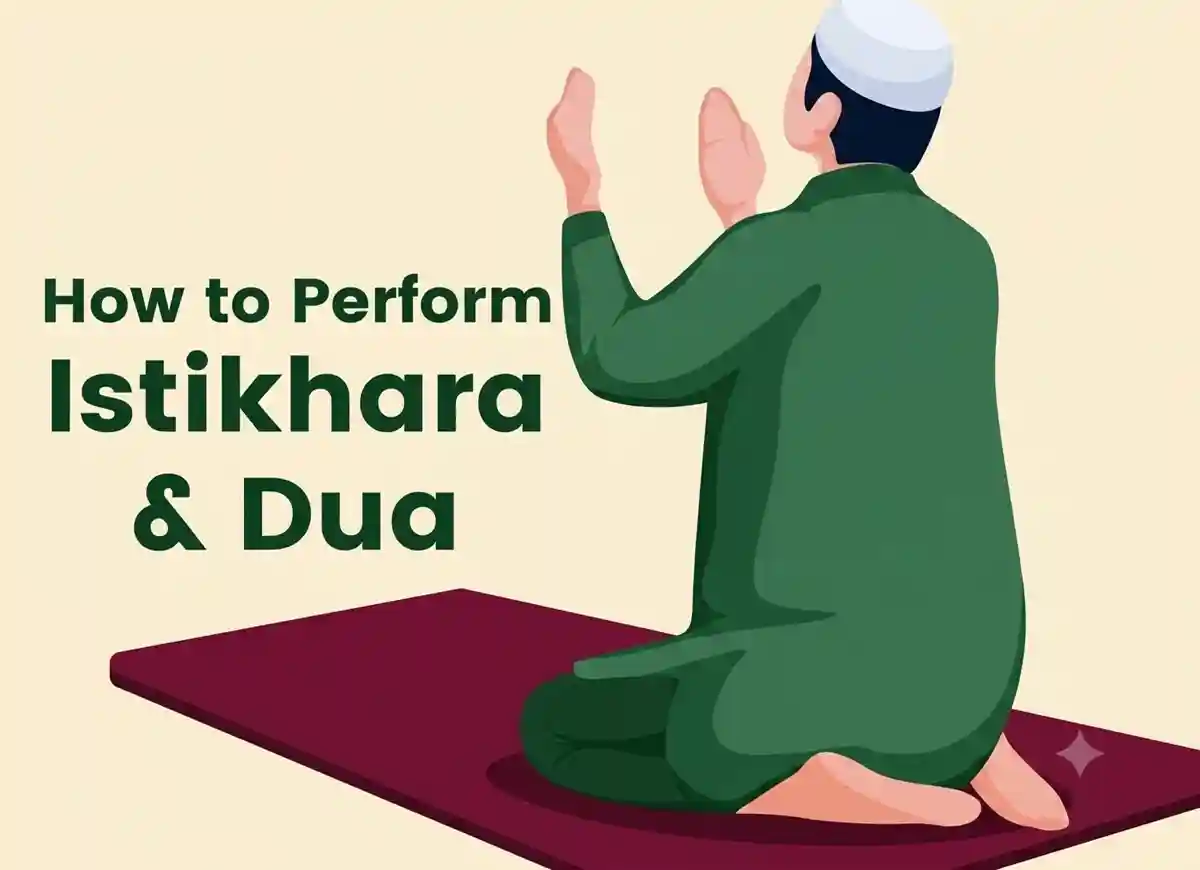

Figuring out How To Pray Istikhara Namaz Hanafi is something almost every Muslim eventually needs to learn, usually right when a tough decision shows up unannounced. A new job, a proposal, a move across the country — the mind wants certainty, but certainty rarely comes on demand. The Prophet ﷺ left behind a short, practical prayer for exactly this moment.
Before the steps, here’s a handy reference worth keeping close: Fortress of the Muslim — a small book of authentic duas, including the Istikhara supplication, that many households keep near their prayer mat.
What Is Istikhara Namaz?
Istikhara namaz is a two-rak’ah voluntary prayer paired with a specific supplication, performed whenever someone is torn between choices. It isn’t magic, and it isn’t a shortcut to avoid thinking things through. It’s an act of humility — asking Allah to steer the outcome toward whatever is genuinely best, even when that isn’t what you’d have picked yourself.
How to Pray Namaz Istikhara
Learning How To Pray Istikhara Namaz Hanafi starts with the basics of any voluntary prayer, then adds the specific dua at the end. Nothing about the process is complicated, but a few small details — timing, intention, and sincerity — make a real difference in how meaningful it feels.
How To Pray Istikhara Namaz Hanafi: Step by Step
Here’s the full sequence, broken down clearly:
- Perform wudu so you begin in a state of purity.
- Face the Qiblah and pray two rak’ahs of Nafl prayer, just as you would any voluntary prayer.
- Recite the Istikhara dua afterward, mentioning your specific matter silently in your heart as you say it.
- Move forward with your plan, paying attention to what feels easy versus what feels heavy afterward.
Must Read: Wudu (Step-by-Step)
| Step | What to Do |
| Purification | Perform wudu beforehand |
| Prayer | 2 rak’ahs, voluntary |
| Timing | Avoid sunrise, sunset, zenith |
| Dua | Recited right after the prayer |
| Aftermath | Watch for ease, discomfort, or unfolding events |
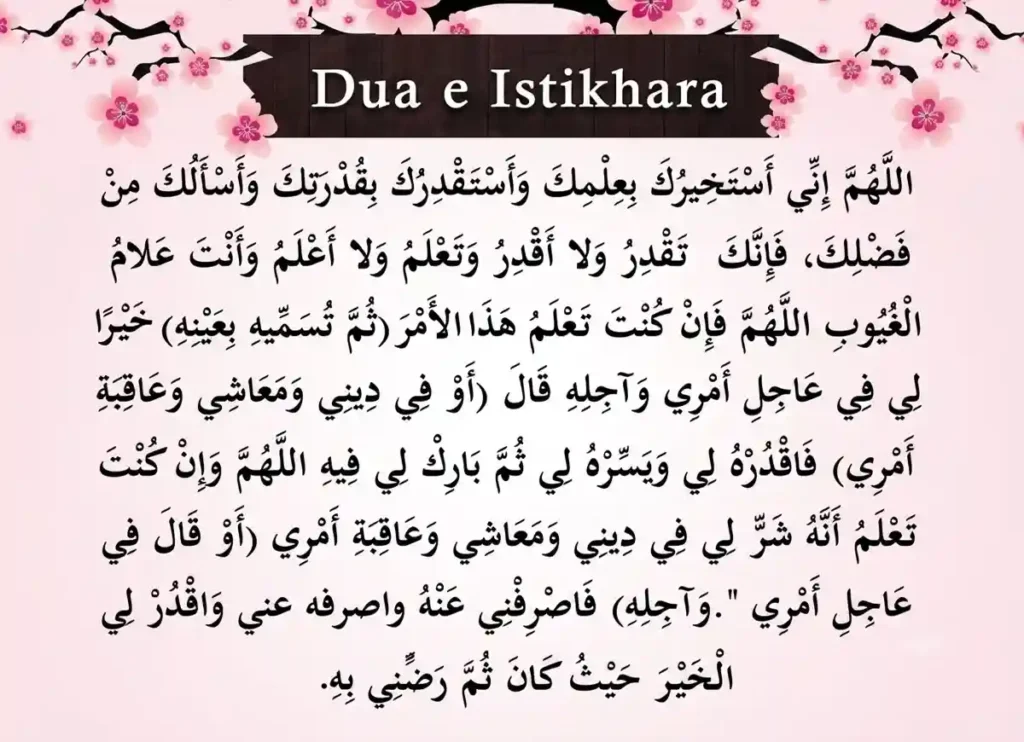
How to Istikhara Prayer the Right Way
A common mistake is rushing the dua like it’s a checkbox. Slow down. Understand the words as you say them, especially the part asking Allah to turn you away from whatever is harmful — that line alone changes how a person handles disappointment later, since it reframes closed doors as protection rather than loss.
Importance and Benefits
The value here isn’t just ritual. It’s a mindset shift. Instead of anxiously weighing pros and cons alone, you’re handing the outcome to Someone with full knowledge of the future. That alone tends to ease decision-related stress, even before any “answer” arrives.
Also Read: How to Pray Salah: Step-by-Step Guide (Wudu + Fajr, Zuhr, Asr, Maghrib, Isha)
Allah reminds believers of this reality directly:
“And your Lord knows best what is in their hearts.” — Surah Al-Isra, 17:25 (Alim.org)
This verse captures why Istikhara matters — Allah’s knowledge of a person’s true intentions and circumstances goes far beyond what they can see themselves.
“But it is possible that you dislike a thing which is good for you and that you like a thing which is bad for you. Allah knows, while you know not.” — Surah Al-Baqarah, 2:216 (Alim.org)
This is arguably the single most quoted verse alongside Istikhara, since it directly addresses the limits of human judgment.
On the hadith side, the companions were taught this prayer with real emphasis:
The Prophet ﷺ used to teach his companions Istikhara for all matters, the same way he taught them a surah of the Qur’an. Sahih al-Bukhari, Hadith 1166
A parallel narration describes the specific wording recited after the two rak’ahs, naming the matter at hand. Sahih Muslim, Hadith 1619
When and How Often to Pray It
There’s no strict schedule. Many people pray it after Isha, before sleeping, or right after Fajr. It can be repeated daily for several days if clarity hasn’t come yet — there’s no upper limit, and repeating it reflects patience rather than doubt.
Common Mistakes to Avoid
- Waiting for a specific dream or symbolic vision
- Expecting an instant, dramatic answer
- Asking someone else to perform it on your behalf
- Skipping consultation with people you trust
For real discussions from people who’ve walked through this process, the IslamicTeachings.org forum has ongoing threads worth reading.
Recognizing the Outcome
According to guidance available on IslamQA, the “answer” usually shows up through ease or difficulty in pursuing an option, not through a dream. Pay attention to your own sense of peace versus unease, and to how circumstances unfold in the days that follow.
Recommended Hanafi Fiqh References
For readers wanting classical grounding on voluntary prayers and supplication etiquette, these Hanafi texts are frequently cited:
- Maraqi al-Falah by Hasan ibn Ammar al-Shurunbulali
- Al-Lubab fi Sharh al-Kitab by Abd al-Ghani al-Maydani
- Multaqa al-Abhur by Ibrahim al-Halabi
For additional context, Wikipedia outlines how this prayer is practiced across the Muslim world, and Britannica situates it within the broader tradition of Islamic devotional worship.
Also Read: As Alullahal-‘azima rabbal-‘arshil-‘azimi an yashfiyaka in arabic

FAQs
Do I need to be in a state of wudu to pray Istikhara?
Yes, wudu is required beforehand, just like any other prayer, since Istikhara namaz follows the same purification rules.
Can I pray Istikhara for someone else’s decision?
No, it’s a personal prayer. You can offer advice, but the person facing the decision must perform it themselves.
What if I don’t feel any clear sign afterward?
That’s normal. Proceed with the more reasonable option and trust that Allah will ease or remove it if it isn’t right for you.
Is seeing a dream required to get an answer?
No, dreams aren’t necessary. Most people notice the answer through changing circumstances or a growing sense of clarity over time.
How many times can I repeat Istikhara namaz?
As often as needed. There’s no limit, and repeating it shows sincerity and patience rather than a lack of trust.
Conclusion
Once you know how to pray istikhara namaz, uncertainty stops feeling so heavy. You’re no longer carrying the full weight of a decision alone — you’re placing it in Allah’s hands and moving forward with genuine confidence. For more practical guidance on daily worship, visit Quranmualim — brought to you by Alasad Online Quran Tutor.
Latest istikhara Blogs:
- Learn Dua of Istikhara For Marriage
- Dua Istikhara With Urdu Translation
- A Guide To Dua of Istikhara Transliteration
- Dua Istikhara: For Marriage, Job & Business
- Dua For Istikhara in Arabic Text and Meaning
- Dua For istikhara in Arabic & Urdu Translation
- How Do You Pray Istikhara? Step-by-Step Guide
- How Do I Feel The Result of My Dua e Istikhara?
- A Guide To Dua Istikhara With English Translation
- How To Pray Istikhara Namaz Step by Step Guide?
- How to do (Perform) Istikhara Dua PDF Download
- How To Perform Salatul Istikhara For Right Decision
- Istikharah prayer – How To Istikhara Prayer Correctly?
- How To Make Istikhara Prayer: When & Why To Use It
- The Fiqh of Ghusl: A Full Guide To Purification in Islam
- Dua For Istikhara English Translation & Transliteration
- Dua For Istikhara: A Guide to Seeking Allah’s Guidance
- Dua Istikhara With English Transliteration – Learn Islam
- How To Do Istikhara: Step-by-Step Guide For Beginners
- Dua of Istikhara: Step by Step Guide To Salatul Istikhara
- How Do I Do Istikhara? A Guide to Seeking Allah’s Guidance