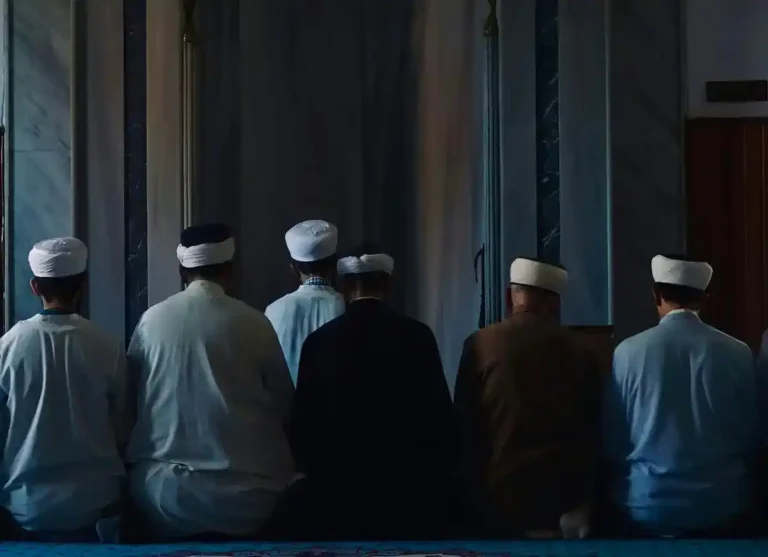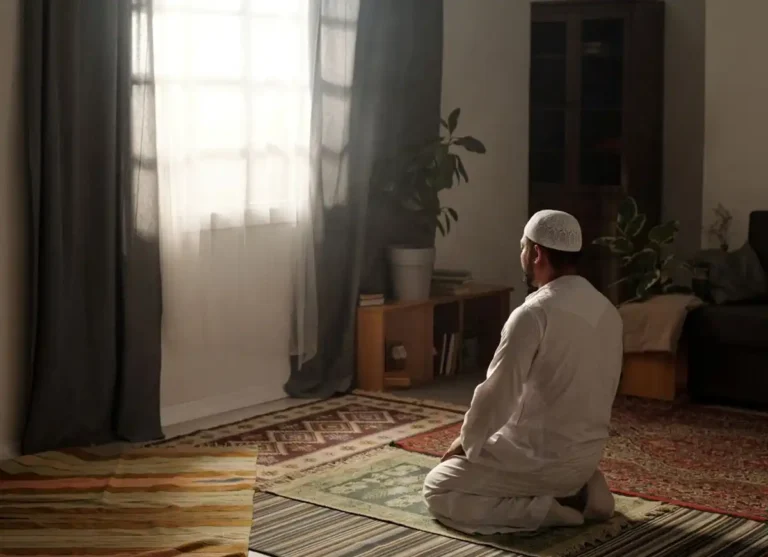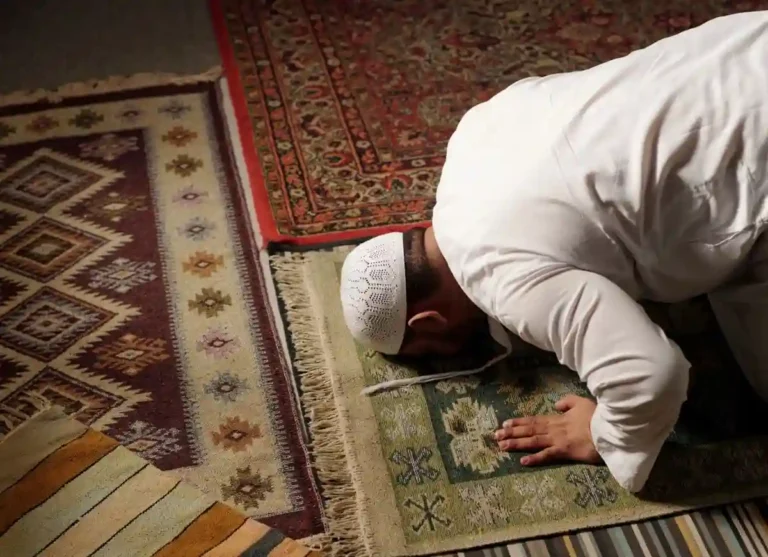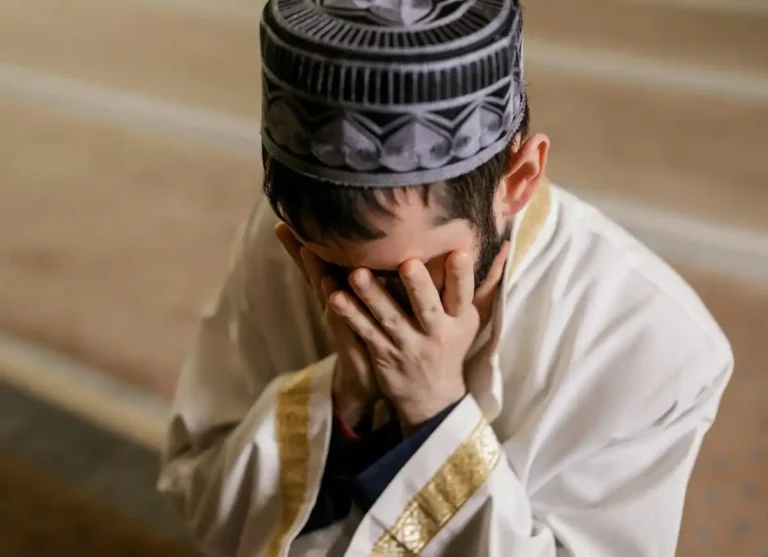


Tahajjud salaah often begins the same way for many people: with a quiet worry that won’t let them sleep. A friend once joked that his life felt like a startup stuck in “constant launch mode.” Busy all day, tired at night, and still not at peace. Then he tried one simple habit—standing up for two rak‘ah in the dark—and his heart finally exhaled.
Amazon pick: “Qiyam ul Layl (The Night Prayer)”
What Tahajjud really is (in plain English)
Tahajjud is a voluntary night prayer prayed after ‘Isha and before Fajr. Many Muslims connect it with waking up after some sleep, even if it’s a short nap. If you want a simple background, this overview of Tahajjud on Wikipedia explains the basics in an easy way.
Why it feels different from other prayers
Daytime worship is beautiful, but it can feel rushed. Night worship slows everything down. Nobody is watching. No one is texting. It’s just you, your thoughts, and Allah’s mercy. That privacy often turns du‘a into something more honest—less “polished,” more real.
The best time for Tahajjud (without complicated math)
You can pray tahajjud prayer any time after ‘Isha and before Fajr. Still, many believers try to catch the last third of the night. It’s often mentioned as a special window for du‘a and forgiveness. Britannica also notes Tahajjud as night worship and generally a sunnah practice: Britannica’s Tahajjud entry.
Quick table: your timing options
| Option | When it is | Who it suits |
| Easy starter | After ‘Isha, before sleep | People with heavy schedules |
| Balanced | Middle of the night | Light sleepers |
| Most emphasized | Last third of the night | Those who can wake up |
A simple rule: start with the time you can keep. The “best” timing is wonderful, but consistency is what changes you.
Also Read: What is Tahajjud Namaz? (What, When, How) Complete Guide

Quran verses that connect directly to night prayer
These ayat are short, clear, and straight to the heart. They don’t just “motivate.” They guide you.
Surah Al-Isra (17:79)
Arabic: وَمِنَ ٱلَّيْلِ فَتَهَجَّدْ بِهِۦ نَافِلَةًۭ لَّكَ عَسَىٰٓ أَن يَبْعَثَكَ رَبُّكَ مَقَامًۭا مَّحْمُودًۭا
English: “And rise at night for additional prayer; your Lord may raise you to a praised station.”
Read it here: Qur’an 17:79 with translation
Surah As-Sajdah (32:16)
Arabic: تَتَجَافَىٰ جُنُوبُهُمْ عَنِ ٱلْمَضَاجِعِ يَدْعُونَ رَبَّهُمْ خَوْفًۭا وَطَمَعًۭا…
English: “They leave their beds, calling upon their Lord in fear and hope…”
See it here: Qur’an 32:16 with translation
Surah Adh-Dhariyat (51:18)
Arabic: وَبِٱلْأَسْحَارِ هُمْ يَسْتَغْفِرُونَ
English: “And before dawn, they would seek forgiveness.”
Read it here: Qur’an 51:18 with translation
Hadith that explains the power of the last part of the night
These narrations are often the reason people fall in love with tahajjud. They make the night feel like an open invitation.
Sahih al-Bukhari 1145 (Book of Night Prayer)
Arabic (excerpt): يَنْزِلُ رَبُّنَا تَبَارَكَ وَتَعَالَى… حِينَ يَبْقَى ثُلُثُ اللَّيْلِ الآخِرُ…
English (meaning): The Prophet ﷺ described the last third of the night as a time when Allah invites people to ask, seek, and request forgiveness.
Read: Sahih al-Bukhari 1145 on Sunnah.com
Sahih Muslim 1163a
Arabic: وَأَفْضَلُ الصَّلَاةِ بَعْدَ الْفَرِيضَةِ صَلَاةُ اللَّيْلِ
English: “The best prayer after the obligatory prayers is the night prayer.”
Read: Sahih Muslim 1163a on Sunnah.com
How to build it like a startup habit (small, then strong)
People usually quit because they start too big. Treat it like a product launch: begin with a “minimum viable habit,” then improve. Two rak‘ah done consistently beats eight rak‘ah done once a month. Your heart doesn’t need a perfect performance. It needs a steady return.
A simple 7-day plan
- Days 1–2: Pray 2 rak‘ah once this week.
- Days 3–4: Add 2 more rak‘ah on another night.
- Days 5–7: Wake 30–45 minutes before Fajr once, and try again.
Also Read: Tahajjud Prayer: How to Pray, What to Recite & Best Duas
Keep it light. The goal is momentum, not exhaustion.
How to perform tahajjud salaah step by step
Here’s a clean beginner method that works even if you’re tired:
- Pray ‘Isha.
- Sleep (even briefly).
- Wake before Fajr, make wudu.
- Pray 2 rak‘ah (add more in pairs if you want).
- End with heartfelt du‘a.
Many people also pray Witr at the end of their night worship if they haven’t prayed it earlier.
Dua after tahajjud salaah that feels real
There is no single “mandatory” script you must say. The best du‘a is the one that matches your real need—guidance, healing, forgiveness, peace, or halal provision. If you want a helpful discussion about making du‘a after Tahajjud, this article explains it simply: guidance on du‘aa’ after Tahajjud.
A short du‘a starter list
- Ask Allah to forgive what you hide and what you show.
- Ask for a clean heart and a steady tongue.
- Ask for halal rizq and barakah in your time.
- Ask for your family, your parents, and your future.
If you don’t know what to say, speak plainly. Allah understands every language, every tear, every pause.
A quick note for “tahajjud Namaz” beginners
If you grew up hearing the term tahajjud Namaz, don’t worry—it’s the same night prayer idea, just a different wording style. The core remains simple: stand at night, recite what you can, and speak to Allah honestly. Small consistency turns into a strong spiritual backbone.
Hanafi scholars’ PDF book names to look for (new set)
If you want deeper Hanafi learning, people often look for these classic titles as PDFs in reputable Islamic libraries:
- Imam Al-Mawsili — Al-Ikhtiyar li Ta‘lil al-Mukhtar (PDF)
- Ala’ al-Din al-Samarqandi — Tuhfat al-Fuqaha (PDF)
- Fakhr al-Din al-Zayla‘i — Tabyin al-Haqa’iq (PDF)
- Qadi Khan — Fatawa Qadi Khan (PDF)
- Al-Haddad (Hanafi) — Al-Jawhara al-Nayyira (PDF)
Search the exact title + “PDF” in trusted archives, and avoid random uploads that look altered or incomplete.
Where learning support fits in
If you’re improving recitation or want structured help, many learners use Islamic study platforms alongside local teachers. You can also explore www.quranmualim.com as an Islamic site where people learn Qur’an and basics in a guided way.
Closing thoughts that stick
tahajjud salaah is not a “super-Muslim” badge. It’s a private lifeline.
When you stand up in the dark, you learn something powerful: your problems may still exist, but you are no longer facing them alone. Start small. Protect the habit. And watch how your days change because of one quiet decision at night.
tahajjud salaah can become the strongest part of your week—the unseen work that makes everything else steadier. Walk into tomorrow with that confidence.
Also Read: Tahajud Namaz Complete Guide (Time, Rakats, Duas, Benefits)

FAQs
What is the best time to pray Tahajjud?
Any time after ‘Isha and before Fajr is valid. Many people aim for the last third of the night because of the well-known hadith about that time.
Do I have to sleep before Tahajjud?
Many scholars describe Tahajjud as prayer after sleep, but night prayer in general is still virtuous. If sleeping first helps you keep the habit, do that.
How many rak‘ah should I pray?
Start with 2 rak‘ah. Add more in pairs if it becomes easy. Consistency is the real win.
Is there a fixed dua after Tahajjud?
No fixed du‘a is required. Make du‘a in your own words, and include prophetic supplications if you know them.
What if I miss Tahajjud for many days?
Don’t quit. Reset with one small night. The best comeback is the one you actually do.
Categories: Namaz ,Zakat , Roza , Prayer , Hadith & Supplications
Check Also Similar Post:
A) How-to Pray
- How To Pray Tahajjud Step By Step? Learn Islam
- How To Read Tahajjud Prayer? A Step By Step Guide
- How Many Rakats in Tahajjud Prayer?
- Can I Pray Tahajjud Without Sleeping?
B) Timing (Tahajjud Prayer)
- Best Time to Pray Tahajjud Namaz
- Last Third of The Night- Calculate The Last Third of The Night
- Tahajjud Prayer Before Sleep At Night – Learn Islam
C) Rulings / FAQs
- Can You Pray Tahajjud After Witr?
- Is Tahajjud Sunnah or Nafl? Learn Islam
- Is Qiyam and Tahajjud Same? Learn Islam
- What Should Be The Tahajjud Prayer Niyat?
D) Duas
- Powerful Dua After Tahajjud Namaz
- learn Best tahajjud Dua For Success – Learn Islam
- Tahajjud Dua in English Transliteration & Translation
Recommended For You:
- How Many Rakats For Fajr Prayer?
- How Many Rakats For Zuhr Prayer?
- How Many Rakats For Asr Prayer?
- How Many Rakats For Maghrib Prayer?
- How Many Rakats For Isha Prayer?
- What Time is The Jummah Prayer?
- 6 Types of Sunnah Prayers In Islam
- How to Perform Salah (Complete Namaz)
- What is The Sitting Between in Khutbah Called?
- Salat | Physical Benefits of Salat Prayer PDF Download