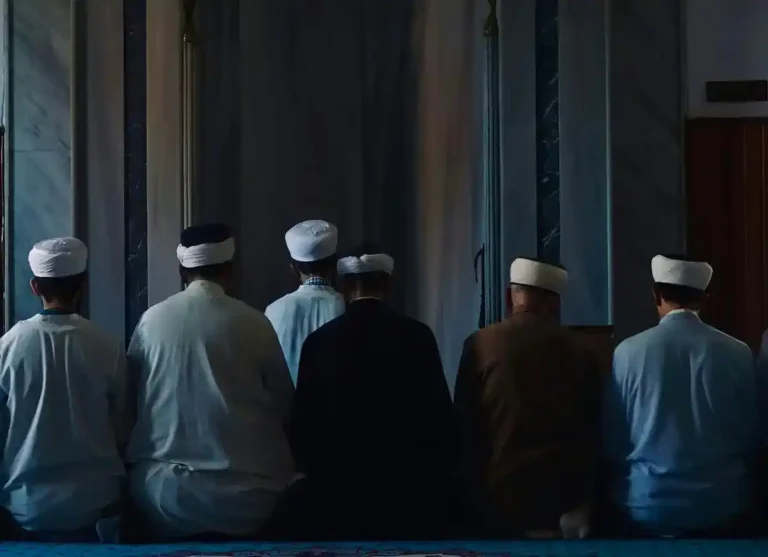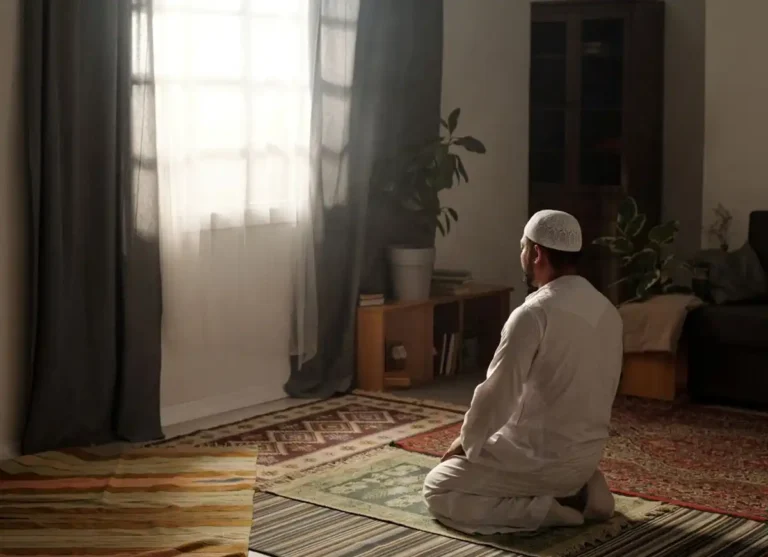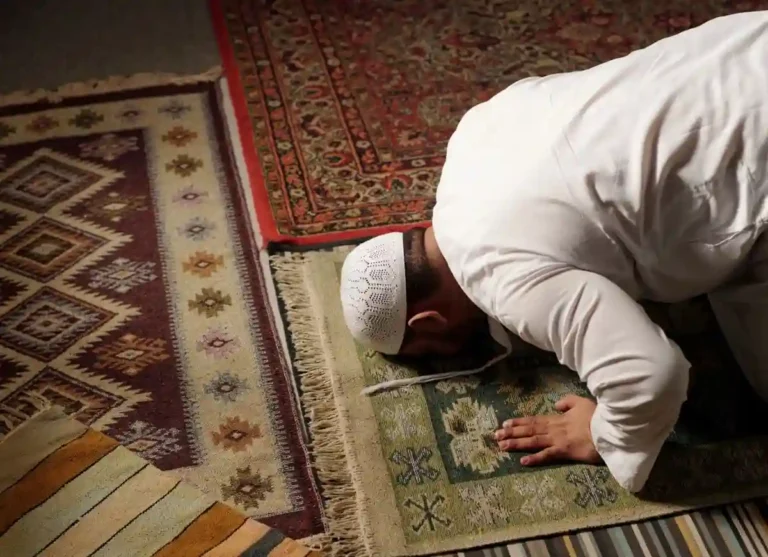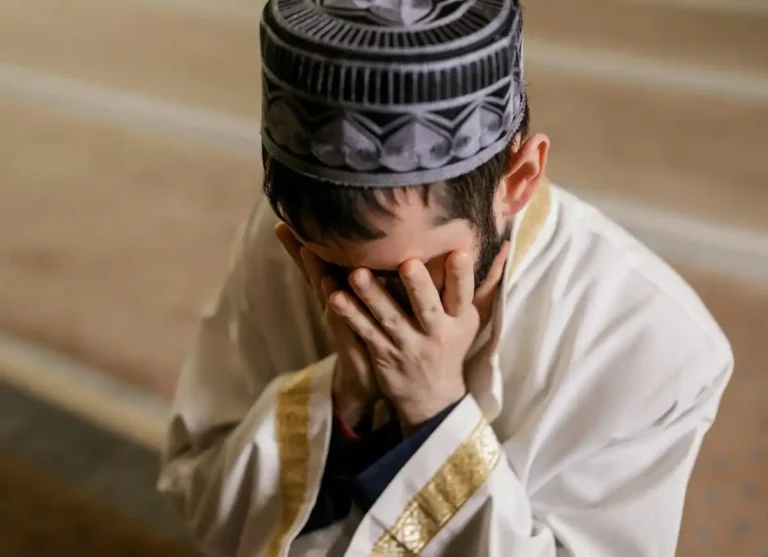


Doa Sholat Tahajud (The Prophetic Supplication) can feel like a secret door you only notice when the house is quiet. I first understood it like a startup idea: life was noisy, my “customers” (stress, worries, deadlines) were demanding, and my heart needed a better product—peace. Tahajjud became that product, built in small nightly iterations.
Right after that realization, I bought a simple guide so I could stop guessing and start practicing with confidence: a practical book on night prayer and duas on Amazon.
Why Tahajjud Feels Like a “Midnight Startup”
Every startup begins with a problem. For most of us, it’s not lack of money or time. It’s the feeling that we’re carrying too much alone.
Tahajjud quietly solves that. You step out of the crowd. You speak honestly. You reset your intention. And you walk back into the day with a calmer mind and a steadier heart.
If you want the broader foundation of daily prayer first, even a quick overview helps—this Britannica explanation of salat gives clear context.
What Tahajjud Is (and What It Isn’t)
Tahajjud is a voluntary night prayer prayed after ‘Isha and before Fajr—ideally after sleeping for a bit. It’s not a performance, and it’s not a magic trick. It’s an act of closeness.
For a basic definition and background, you can also check the Wikipedia entry on Tahajjud.
Categories: Namaz ,Zakat , Roza , Prayer , Hadith & Supplications

A simple intention that works
You don’t need poetic language. A clean intention is enough:
- “I’m praying to seek Allah’s help.”
- “I’m praying to ask forgiveness.”
- “I’m praying to be guided.”
The Most Relevant Qur’an Verses for Night Prayer
Tahajjud isn’t a cultural habit. It’s rooted in revelation, with powerful reminders about the night as a time of sincerity.
1) Surah Al-Isra (17:79)
Verse (Arabic):
وَمِنَ اللَّيْلِ فَتَهَجَّدْ بِهِ نَافِلَةً لَكَ عَسَىٰ أَنْ يَبْعَثَكَ رَبُّكَ مَقَامًا مَحْمُودًا
English meaning:
“And from part of the night, pray with it as extra worship for you; it may be that your Lord will raise you to a praised مقام.” Reader-friendly reference: Qur’an 17:79 on Quran.com
2) Surah Al-Muzzammil (73:1–6)
Verses (Arabic excerpt):
يَـٰٓأَيُّهَا ٱلْمُزَّمِّلُ • قُمِ ٱلَّيْلَ إِلَّا قَلِيلًا … إِنَّ نَاشِئَةَ ٱلَّيْلِ هِىَ أَشَدُّ وَطْـًۭٔا وَأَقْوَمُ قِيلًا
English meaning (summary):
“O you wrapped up… stand in prayer at night… the night is stronger for focus and more upright for speech.” Reader-friendly reference: Qur’an 73:1–6 on Quran.com
3) Surah Adh-Dhariyat (51:18)
Verse (Arabic):
وَبِٱلْأَسْحَارِ هُمْ يَسْتَغْفِرُونَ
English meaning:
“And in the pre-dawn hours, they seek forgiveness.”
You’ll also find helpful learning resources on Islamic sites such as www.quranmualim.com.
Key Hadith References That Shape Tahajjud Duas
Hadith gives Tahajjud its emotional “why”: Allah invites you to ask, to return, to be forgiven—especially in the last third of the night.
1) Sahih al-Bukhari — Hadith 1145
Arabic (excerpt):
يَنْزِلُ رَبُّنَا … حِينَ يَبْقَى ثُلُثُ اللَّيْلِ الآخِرُ … مَنْ يَدْعُونِي فَأَسْتَجِيبَ لَهُ …
English meaning (summary):
“Our Lord descends in a manner befitting Him in the last third of the night and calls: Who will ask Me so I can answer?” Reader-friendly reference: Bukhari 1145 on Sunnah.com
2) Sahih Muslim—Hadith 758a
Arabic (excerpt):
مَنْ يَدْعُونِي فَأَسْتَجِيبَ لَهُ … وَمَنْ يَسْتَغْفِرُنِي فَأَغْفِرَ لَهُ
English meaning (summary):
“Who will call on Me so I respond, who will ask forgiveness so I forgive?” Reader-friendly reference: Muslim 758a on Sunnah.com
A Practical Table: What to Do After You Finish Tahajjud
Below is a simple flow that keeps your worship focused and prevents that “What now?” feeling.
| Moment | What to do | Why it helps |
| Right after salam | Sit calmly, breathe | Shifts you from movement to presence |
| First 1–3 minutes | Praise Allah, send salawat | Warms the heart before asking |
| Next 3–7 minutes | Personal dua (your words) | Most honest time to ask |
| Final minute | Istighfar and quiet reflection | Ends with humility and hope |
Doa Sholat Tahajud: Keep It Real, Keep It Personal
When people say doa sholat tahajud,” they often mean, “What should I say so my heart doesn’t freeze up?”
Here’s a simple structure that feels natural:
- Praise: “Ya Allah, all praise is Yours.”
- Need: “I’m struggling with…”
- Ask, “Guide me to what is right.”
- Trust: “Make it easy if it’s good for me.”
- Close: Salawat and آمين.
Helpful bullet list: topics that fit Tahajjud perfectly
- Forgiveness for hidden sins
- Healing from anxiety and sadness
- Clarity in decisions and relationships
- Rizq with barakah, not just numbers
- Consistency in prayer and character
Doa Selesai Sholat Tahajud: A Gentle Closing That Doesn’t Feel Forced
Doa selesai sholat tahajud is not a single fixed script. Think of it like closing a heartfelt conversation: you end with gratitude, hope, and humility.
Try this pattern:
- Thank Allah for waking you up
- Ask for acceptance (qabooliyat)
- Ask for steadfastness until Fajr and beyond
Hanafi PDF book picks for this focus (change set 1)
- Nur al-Idah (Shurunbulali) — Hanafi fiqh primer (often available as PDF)
- Maraqi al-Falah (Shurunbulali) — شرح on Nur al-Idah (PDF widely shared)
- Al-Hadiyyah al-‘Ala’iyyah (Hanafi text) — basics of worship (PDF in public libraries)
Doa dan Dzikir Setelah Sholat Tahajud: The “Retention Strategy” for Your Heart
If Tahajjud is the product, then doa dan dzikir setelah sholat tahajud is how you keep the benefits from evaporating at sunrise.
A simple dhikr set (choose what you can sustain):
- 33× SubhanAllah
- 33× Alhamdulillah
- 34× Allahu Akbar
- 100× Astaghfirullah (slowly, meaningfully)
Hanafi PDF book picks for this focus (change set 2)
- Al-Hidayah (Al-Marghinani)—foundational Hanafi fiqh (PDF versions exist)
- Mukhtasar al-Quduri—a compact Hanafi manual (PDF widely available)
- Radd al-Muhtar (Ibn ‘Abidin) — advanced Hanafi reference (PDF in academic archives)
A “Minimum Viable Tahajjud” Plan (So You Don’t Burn Out)
Start small. Build slowly. Consistency beats intensity.
7-day plan:
- Sleep 20 minutes earlier
- Wake up 15 minutes before your usual time
- Pray 2 rak‘ahs
- Make dua for 3 specific things
- Repeat for a week, then expand
Hanafi PDF book picks for this focus (change set 3)
- Fatawa al-Hindiyyah (Al-Fatawa al-‘Alamgiriyyah) — Hanafi fatwa compendium (PDF available)
- Al-Bahr al-Ra’iq (Ibn Nujaym)—Hanafi jurisprudence discussions (PDF archives)
- Bada’i al-Sana’i (Al-Kasani) — detailed Hanafi fiqh (PDF in research collections)

Conclusion: Make the Night Your Advantage
The world rewards the loud, the fast, the constantly online. Tahajjud rewards the sincere.
Bring your real worries. Bring your real hopes. Show up even when it’s messy. And watch how your days begin to change—quietly at first, then clearly. {{ doa sholat tahajud}} isn’t just a prayer. It’s a turning point you can choose, night after night.
And if you miss a night? Don’t dramatize it. Restart. Founders don’t quit after one bad day. Believers don’t either. {{ doa sholat tahajud}} is built on return.
FAQs
1) When is the best time to pray Tahajjud?
The strongest time is the last third of the night, before Fajr. Practically, pray whenever you can manage consistently.
2) Do I have to sleep before Tahajjud?
Many scholars describe Tahajjud as night prayer after sleep, but praying voluntary night prayer anytime after ‘Isha is still valuable.
3) How many rak‘ahs should I pray?
Start with 2 rak‘ahs. You can add more over time. Keep it sustainable.
4) Is there a fixed dua for Tahajjud?
There’s no single required script. Use Qur’anic duas, prophetic duas, and your own sincere words.
5) What should I say right after finishing?
Praise Allah, send salawat, then make personal dua. If you want a simple closing, ask forgiveness and acceptance, then end with hope.
6) Can I make dua in my own language?
Yes. Speak in the language that lets your heart be honest. That sincerity is the whole point.
“Similar Posts For You”
- Tahajjud: The Night Prayer Islam
- Best Time to Pray Tahajjud Namaz
- How Many Rakats in Tahajjud Prayer?
- Can I Pray Tahajjud Without Sleeping?
- Can You Pray Tahajjud After Witr?
- Powerful Dua After Tahajjud Namaz
- Is Tahajjud Sunnah or Nafl? Learn Islam
- Virtues and The Benefits of Tahajjud Namaz
- How To Pray Tahajjud Prayer? Learn Islam
- How To Pray Tahajjud Namaz (The Night Prayer)
- What is Tahajjud Namaz? (What, When, How) Complete Guide
- Tahajud Namaz Complete Guide (Time, Rakats, Duas, Benefits)
Recommended For You:
- How Many Rakats For Fajr Prayer?
- How Many Rakats For Zuhr Prayer?
- How Many Rakats For Asr Prayer?
- How Many Rakats For Maghrib Prayer?
- How Many Rakats For Isha Prayer?
- What Time is The Jummah Prayer?
- 6 Types of Sunnah Prayers In Islam
- How to Perform Salah (Complete Namaz)
- What is The Sitting Between in Khutbah Called?
- Salat | Physical Benefits of Salat Prayer PDF Download