
Sobe Barat arrives quietly each year, often unnoticed by the busy world, yet deeply felt by reflective hearts. Imagine a calm night when ordinary routines soften, prayers feel more personal, and questions about forgiveness and destiny gently surface. This night invites believers to pause, reflect, and reconnect with Allah in a meaningful, hopeful way.
Understanding the Meaning Behind the Night
What Is Shab e Barat in Islam?
Many first-time learners ask, what is shab e barat in islam and why it matters so deeply. This night falls on the 15th of Sha‘ban and is traditionally understood as a time when Allah’s mercy, forgiveness, and divine decisions are especially accessible. It encourages believers to seek spiritual clarity before Ramadan approaches.
Names and Linguistic Roots
The night is known by several names across cultures. In South Asia, it is often called shab e barat, while Arabic traditions may refer to it as lailatul barat, meaning a night of freedom or decree. These names reflect shared themes of pardon, accountability, and renewal within the broader Islamic tradition.
Historical and Scholarly Perspectives
References in Classical Scholarship
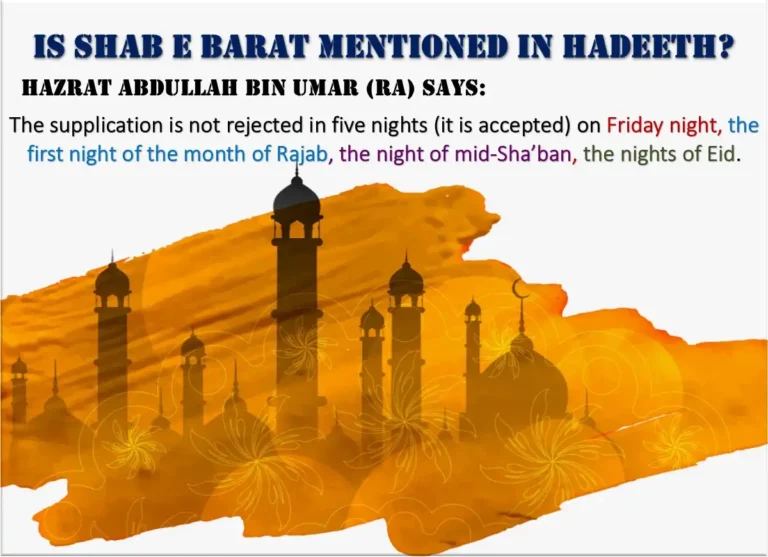
Islamic scholars have long discussed the virtues of this night, drawing from hadith literature and early community practice. While scholars differ on specific rituals, many agree on the general encouragement toward prayer, repentance, and remembrance. A helpful overview of its historical background can be found on the Wikipedia entry discussing Shab-e-Barat.
Balanced Views in Islamic Teaching
Respected Islamic educators often emphasize moderation. The focus is not on elaborate rituals, but on sincere intention. Platforms like IslamQA explain scholarly differences clearly, helping readers understand which practices are supported, which are optional, and how to approach the night with wisdom and humility.
Spiritual Themes That Shape the Night
Forgiveness and Accountability
A central theme of this night is seeking forgiveness. Believers are encouraged to review their actions, repair relationships, and turn back to Allah with honesty. This inner accountability helps cleanse the heart, making space for spiritual growth and preparing the soul for the discipline and mercy of Ramadan.
Divine Decree and Trust
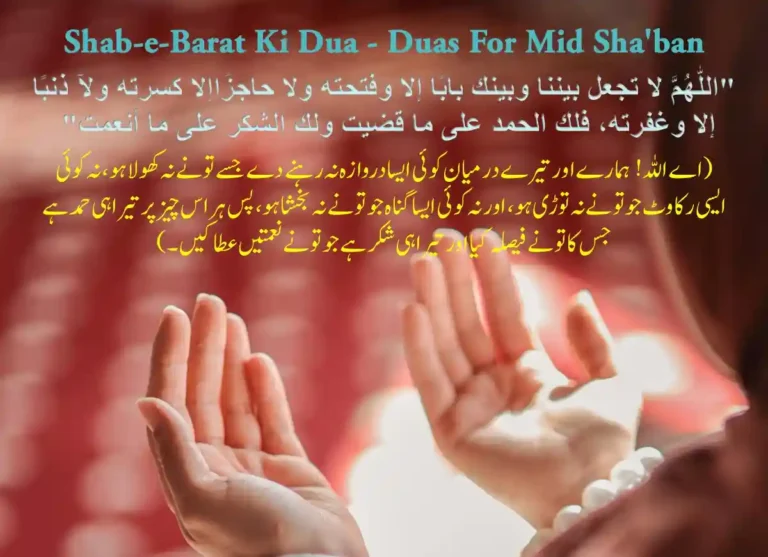
Another reflection often associated with the night is destiny. Muslims are reminded that life outcomes rest with Allah, yet sincere dua holds power. Learning how to make thoughtful supplications, such as those taught in this guide to making dua properly, can help believers approach the night with calm trust rather than fear.
Common Acts of Worship and Reflection
Personal Worship Practices
Many Muslims choose simple, personal acts of worship during the night, such as:
- Extra voluntary prayers
- Quiet recitation of the Qur’an
- Heartfelt repentance and dua
- Remembering deceased loved ones
These practices aim to deepen sincerity rather than follow rigid routines.
Community and Cultural Expressions
In some cultures, families gather or visit graves as a reminder of the afterlife. While scholars vary on these customs, the shared intention remains reflection and humility. Understanding the broader Islamic calendar context can help place the night meaningfully among other sacred times.
Clearing Misconceptions With Clarity
Separating Culture From Core Teachings
Over time, cultural additions have sometimes overshadowed the spiritual core of the night. Islam encourages believers to prioritize intention over form. Learning directly from authentic sources and studying the Qur’an regularly, such as through structured Quran learning programs, helps maintain clarity and balance.
Avoiding Extremes
Islamic scholarship consistently warns against two extremes: declaring everything an innovation or treating cultural practices as obligatory worship. The middle path is awareness, sincerity, and respect for scholarly diversity. This approach allows the night to remain spiritually nourishing without becoming burdensome or divisive.
Preparing the Heart Before the Night
Inner Preparation
Preparation begins before sunset. Clearing grudges, making amends, and setting intentions shape the experience more than any outward action. Even a few minutes of honest self-reflection can transform how the night is felt, turning it into a personal turning point rather than a routine observance.
Practical Readiness
Simple steps help create focus:
- Plan quiet time away from distractions
- Review short duas or Qur’anic verses
- Reflect on personal goals for spiritual growth
These steps keep the night purposeful and calm.
Why This Night Still Matters Today
In a fast-paced world, moments of reflection are rare. sobe barat offers a pause button for the soul, reminding believers that mercy is always near and change is always possible. Its relevance lies not in grand gestures, but in the quiet opportunity to reset intentions and renew faith.
Frequently Asked Questions
Is Sobe barat mentioned directly in the Qur’an?
The night is not named explicitly in the Qur’an. Its significance comes mainly from hadith and scholarly interpretation. Scholars explain that while the Qur’an emphasizes mercy and forgiveness broadly, this night is viewed as a special opportunity within that wider Islamic framework.
Can ordinary Muslims benefit from this night without special rituals?
Yes, absolutely. Simple acts like sincere repentance, quiet prayer, and remembrance are enough. The value lies in intention, not complexity. Even brief moments of reflection can bring spiritual benefit when done with honesty and focus.
Do scholars agree on how to observe the night?
There is respectful disagreement among scholars. Some emphasize individual worship, while others caution against specific communal practices. Most agree that voluntary prayer, dua, and reflection are beneficial, as long as practices do not contradict core Islamic principles.
Is fasting after the night required?
Fasting the following day is optional, not obligatory. Some traditions encourage voluntary fasting as a good deed, but it should not be seen as mandatory. Intention and consistency in worship remain more important than isolated actions.
How can families introduce children to the meaning of this night?
Families can keep it simple by sharing stories about forgiveness, making short duas together, and explaining the idea of turning back to Allah. Creating a calm, loving environment helps children associate the night with hope rather than obligation.
A Meaningful Step Forward
As the night fades into dawn, Sobe barat leaves behind more than memories—it offers direction. The true success of the night is seen in what follows: kinder actions, renewed discipline, and a heart more aware of Allah. When reflection turns into positive change, the night fulfills its deepest purpose.
Recommended For You (Shabe Barat)
- Shab e Barat Mubarak (Lailatul Barat)
- What Should We Prayers of Shab e Barat?
- Best Shab e Barat Dua To Change Destiny
- The Night of Mid-Sha’ban (Shab e Barat)
- What Does Islam Say About Shab Barat?
- Common Dua in Taraweeh Prayer To Recite
- So Kar Uthne Ki Dua | Dua After Waking Up
- Shab-e-Barat Ki Dua – Duas For Mid Sha’ban
- Read Shab-e-Barat Quotes From The Quran
- Allahumma Rahmataka Arju: A Dua For Hope
- Why Do We Celebrate Shab-e-Barat in Islam?
- Shab e Barat Ki ibadat Ka Tarika (step-by-step)
- Berat Kandili – Holy Night of Forgiveness 2026
- Arabic Prayer With Transliteration and Meaning
- Berat Kandili Ne Zaman? Night of Forgiveness
- What To Recite in Shab e Barat Nawafil Namaz?
- Shab e Barat Ki Fazilat: Toba, Aur Maghfirat Ki Raat
- Shab e Barat Kya Hai? FaziLat, Ibaadat Aur Ehmiyat
- Shab e Barat Namaz Ka Tarika (Prayers For 15 Shaban)
- Shab e Barat Ibadat And Prayers – Night of Forgiveness
- Shab e Barat Ki Namaz Ka Tarika: A Simple Way To Pray
- Shab e Barat Prayers: A Guide to Prayers & Significance
- What Happened on Shab e Barat? Night of Mid Shaban
- What is The Shab e Barat meaning? Night of Forgiveness
- Shab e Barat Namaz Rakats: How To Pray Namaz Rakats?
Salatul Tasbih
- How To Perform Salatul Tasbih?
- Definition of Subhanallah and Its Meaning
- la ilaha illa anta subhanaka Inni Kuntu Minaz Zalimin