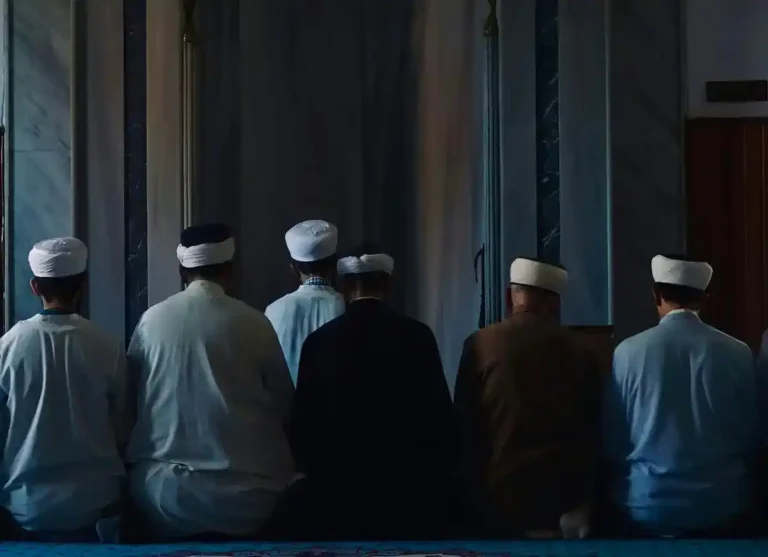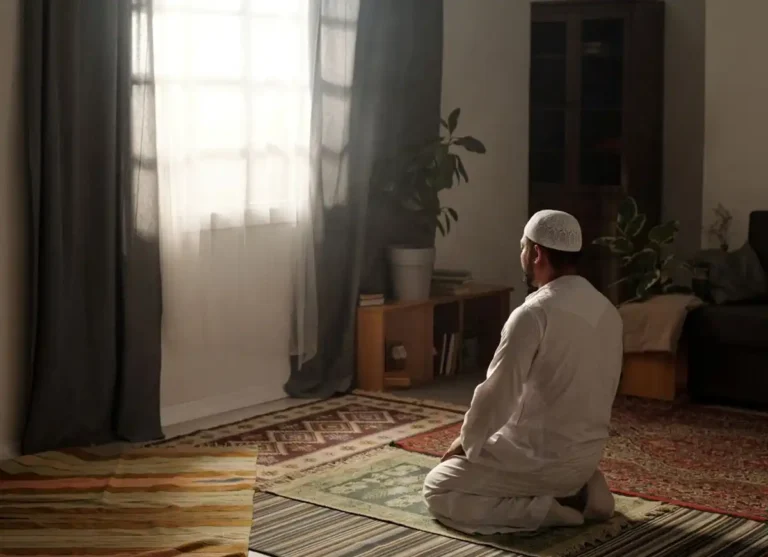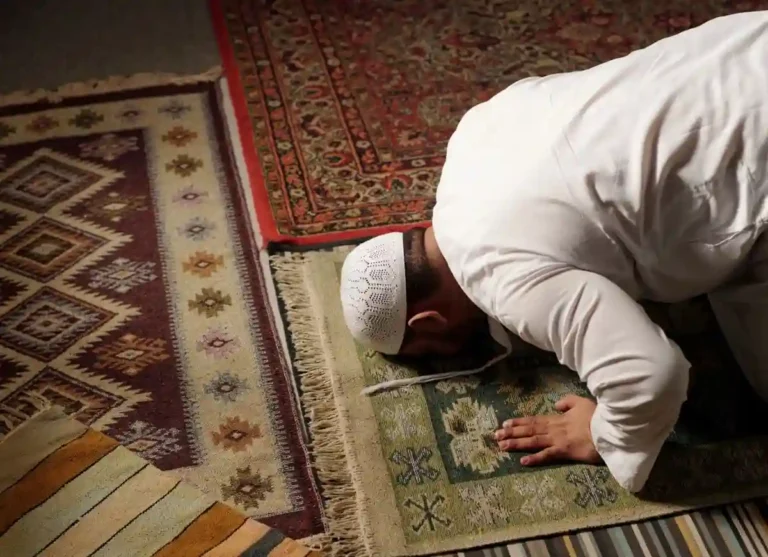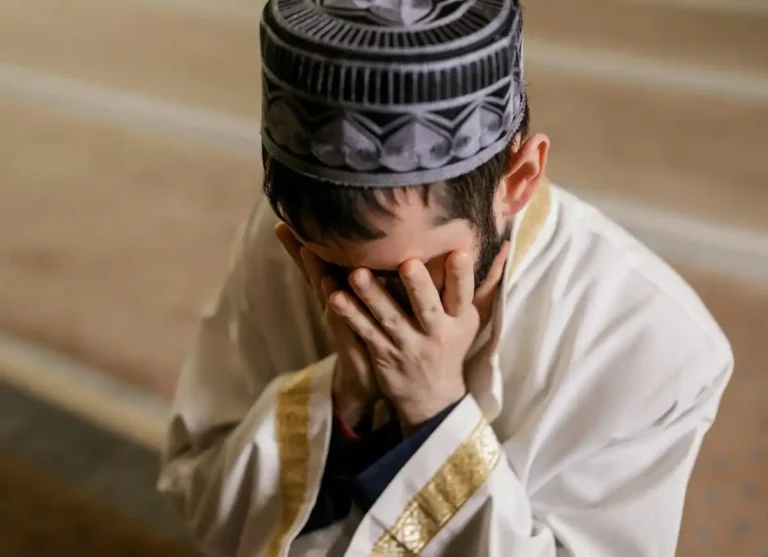


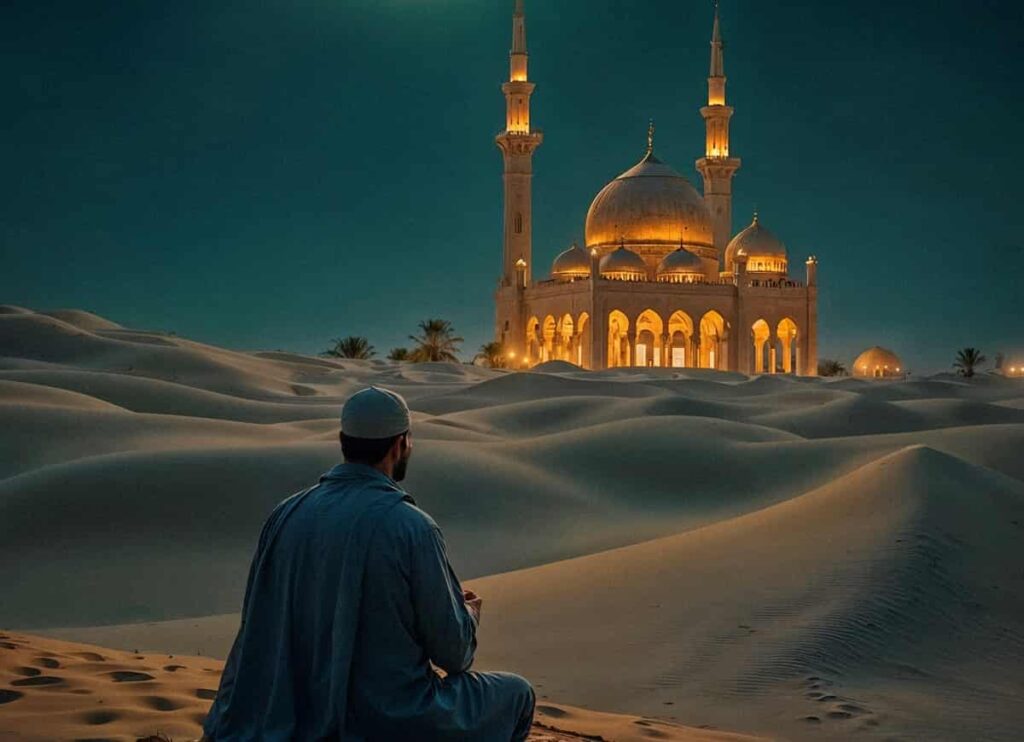
Tahajjud prayer feels like a quiet door in the night—one you only notice when the world finally stops talking. If you’re in the UK or USA, you’ve probably had nights where sleep slips away, or your worries stay awake even when you don’t. That’s often where this prayer begins: not in perfection, but in need.
Fortress of the Muslim (Du‘a from the Qur’an & Sunnah) on Amazon
At www.quranmualim.com, we try to make Islamic learning simple and practical—especially for people who are busy, tired, and still trying to get closer to Allah.
A “startup” way to understand this night prayer
Think of your spiritual life like a startup. You don’t launch with a perfect office, huge budget, or a full team. You launch with a real problem and a clear intention.
This voluntary night prayer is the same. You start small—two rak‘ahs, sincere words, and a plan. Then you grow it, step by step, until it becomes your strongest habit.
What it is (and why people love it)
This prayer is a voluntary night prayer done between ‘Isha and Fajr, usually after sleeping for a bit. Many people aim for the last third of the night because it’s quiet, focused, and deeply meaningful.
People search it in different ways, like:
- night prayer Islam / prayer at night
- prayer before sleep at night
- powerful tahajjud dua acceptance
- tahajjud dua for success / tahajjud dua in English
- tahajjud namaz, doa tahajud, doa sholat tahajud, tahajjud ki dua
Is it Qiyam-ul-Layl or something else?
You’ll often hear: “Is qiyam and tahajjud same?”
Here’s the easy answer:
- Qiyam-ul-Layl = any prayer at night (before sleeping or after).
- Tahajjud (as commonly used) = night prayer after you sleep and then wake up.
So yes, they overlap—but “tahajjud” usually implies getting up after sleep.
Is it Sunnah or Nafl?
People also ask: “is tahajjud sunnah or nafl?”
- It is nafl (voluntary)—not obligatory.
- But it’s also a strong Sunnah practice because the Prophet ﷺ regularly prayed at night and encouraged it.
Also Read: What is Tahajjud Namaz? (What, When, How) Complete Guide
In Hanafi fiqh, it’s treated as nafl, yet highly rewarding.
The best time: last third of the night (simple method)
If you want the “prime time,” aim for the last third of the night. This is why:
The Prophet ﷺ said Allah calls out in that time:
“Who is calling upon Me so I may answer him? … who seeks My forgiveness so I may forgive him?” (Sahih al-Bukhari 1145)
Quick way to estimate last third (UK/USA friendly):
- Check Maghrib to Fajr time on your local masjid/app.
- Count total hours between them.
- Divide by 3.
- The final part is the last third.
Step-by-step: how to read tahajjud prayer
If you’ve searched “how to read tahajjud prayer”, here’s the clean, beginner-friendly flow.
Step 1: Sleep (even a short nap helps)
A short sleep after ‘Isha is enough. Don’t overthink it. The goal is to wake up with intention, not to “qualify” with a perfect schedule.
Step 2: Wake up and make wudu
Keep it simple. Cold water? Take your time. Quietly. This is a private meeting with Allah.
Step 3: Pray at least 2 rak‘ahs
Minimum is 2 rak‘ahs, and you can add more in pairs.
Common patterns people use:
- 2 + Witr
- 4 + Witr
- 8 + Witr
- Or any amount you can manage
The Prophet’s night prayer was described as beautifully long and often totaled 11 rak‘ahs including Witr. (Sahih al-Bukhari 1147)
Step 4: Make du‘a (this is the heart of it)
After prayer—or in sujood—ask Allah for what you truly need.
What to recite (easy and realistic)
You don’t need long surahs to start.
In each rak‘ah, you can recite:
- Al-Fatihah
- Any short surah you know (Ikhlas, Falaq, Nas, etc.)
If you’re rebuilding your practice, short recitation done consistently beats a long recitation you abandon.
Table: a complete guide at one glance
| Topic | Best practice | Beginner-friendly option |
| Timing | Last third of the night | Wake 20–40 minutes before Fajr |
| Rak‘ahs | Pray in pairs + Witr | 2 rak‘ahs + Witr |
| Recitation | Longer, slower, focused | Short surahs you already know |
| Du‘a | In sujood + after prayer | After prayer in your own words |
| Consistency | 2–4 nights/week first | 1–2 nights/week first |
| Before sleep | Intend + set alarm | Sleep early + phone across room |
The most relevant Qur’an verses (with English translation)
These verses build the mindset of night worship—quiet effort, deep focus, and sincere return.
1) Surah Al-Isra 17:79
Translation: “And rise at ˹the last˺ part of the night, offering additional prayers, so your Lord may raise you to a station of praise.”
2) Surah Al-Muzzammil 73:1–3
Translation: “O you wrapped ˹in your clothes˺! Stand all night ˹in prayer˺ except a little— ˹pray˺ half the night, or a little less.”
3) Surah Adh-Dhariyat 51:18
Translation: “and pray for forgiveness before dawn.”
Powerful hadith on du‘a acceptance in the last third
When people say “powerful tahajjud dua acceptance,” they’re often referring to this moment.
Sahih al-Bukhari 1145 (Book of Prayer at Night):
Allah calls out when the last third remains: who will ask, who will seek forgiveness, who will call upon Me?
That’s not just “a good time.” It’s an invitation.
Reader-friendly reference link:
- Hadith about Allah’s call in the last third (Sahih al-Bukhari 1145)
Best du‘as to make (English + simple)
You asked for tahajjud dua in English—here are practical ones you can actually use.
Short English du‘as (say them in your own words)
- “O Allah, forgive me completely and make me start fresh.”
- “O Allah, open the doors that feel closed to me.”
- “O Allah, guide me to what is best and keep me firm on it.”
- “O Allah, grant me halal success, peace of heart, and barakah in my time.”
For success (work, studies, family)
“O Allah, make my efforts fruitful, protect me from distractions, and grant me success with humility.”
“Tahajjud ki dua” style (simple wording idea)
If you speak Urdu, you can keep it natural:
“Ya Allah, meri mushkil asaan farma. Mere rizq mein barakah de. Mere dil ko sakoon de.”
Prayer before sleep at night (so waking up becomes easier)
If you want to wake consistently, your “night prayer plan” starts before sleeping.
Try this checklist:
- Pray ‘Isha on time
- Make a small intention: “Ya Allah, wake me for worship”
- Set two alarms (one gentle, one strong)
- Keep water ready for wudu
- Sleep earlier when you can (especially in UK winters)
Small systems beat big motivation.
Also Read: Tahajud Namaz Complete Guide (Time, Rakats, Duas, Benefits)
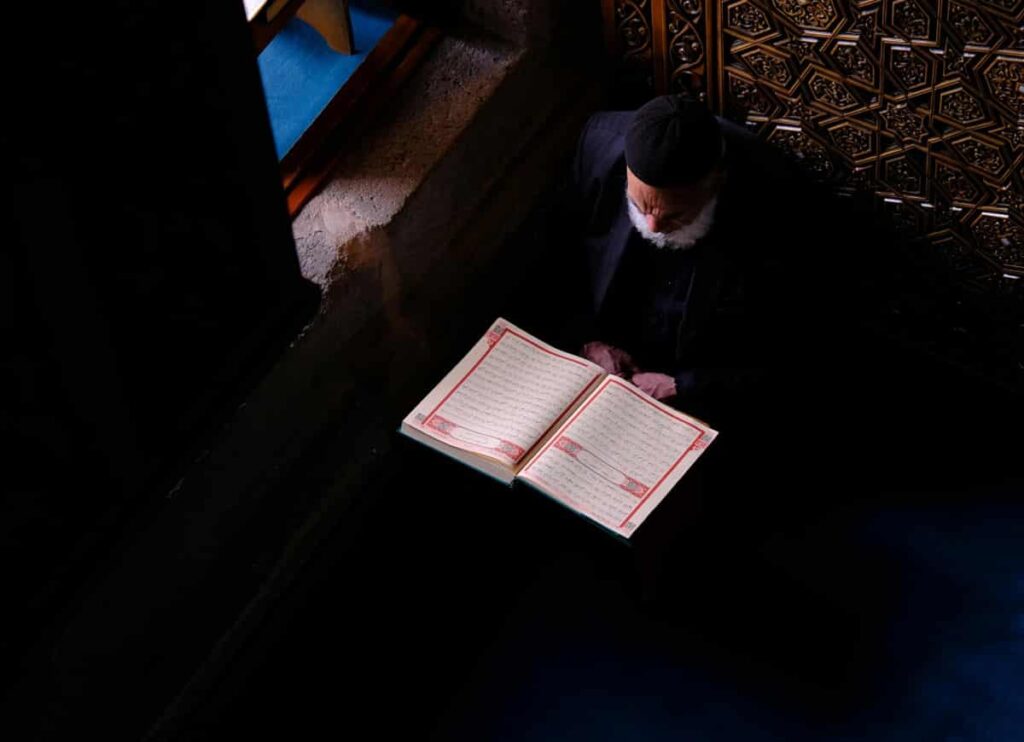
Hanafi PDF book suggestions (classic scholars)
If you want deeper learning (especially Hanafi rulings and structure), look for these PDF books from reliable Islamic libraries:
- Nur al-Idah (Shurunbulali)
- Mukhtasar al-Quduri (Imam al-Quduri)
- Al-Hidayah (Burhan al-Din al-Marghinani)
- Radd al-Muhtar (Ibn ‘Abidin)
- Al-Fatawa al-Hindiyyah (Fatawa Alamgiri)
(These are well-known in Hanafi study circles; many Islamic libraries host scanned PDFs.)
External learning links (UK/USA readers)
Use these for quick background reading and general understanding:
- What “Tahajjud” means (Wikipedia overview)
- What “salat” is (Britannica)
- How to pray the night prayer (Islamic Relief UK guide)
Common mistakes (and easy fixes)
- Mistake: Waiting for “perfect focus.”
Fix: Pray two rak‘ahs anyway. - Mistake: Going too big, too fast.
Fix: Start with 1–2 nights a week. - Mistake: Only asking for worldly things.
Fix: Ask for forgiveness, guidance, and a better heart—then ask for your goals.
FAQs (simple and practical)
1) Do I have to sleep before it?
Sleeping helps, but the bigger goal is praying at night with sincerity. If you prayed at night without sleeping, it still counts as night worship.
2) How many rak‘ahs should I pray?
Start with 2 rak‘ahs. Add more in pairs if you can. Many people finish with Witr.
3) What if I wake up late, near Fajr?
Pray quickly but calmly—2 rak‘ahs is enough. Don’t miss Fajr.
4) Can I make du‘a in English?
Yes. Ask Allah in the language that makes your heart honest.
5) Why is the last third of the night special?
Because it’s a time the Prophet ﷺ highlighted for du‘a and forgiveness.
Conclusion (a strong finish)
Tahajjud isn’t about being “extra religious.” It’s about building a private lifeline with Allah—one quiet night at a time.
Start small, stay consistent, and let the results grow naturally. When life gets loud again, you’ll already know where the calm door is.
Tahajjud will meet you exactly where you are—then help you walk forward, stronger than before.
Categories: Namaz ,Zakat , Roza , Prayer , Hadith & Supplications
Check Also Similar Post:
A) How-to Pray
- How To Pray Tahajjud Step By Step? Learn Islam
- How To Read Tahajjud Prayer? A Step By Step Guide
- How Many Rakats in Tahajjud Prayer?
- Can I Pray Tahajjud Without Sleeping?
B) Timing (Tahajjud Prayer)
- Best Time to Pray Tahajjud Namaz
- Last Third of The Night- Calculate The Last Third of The Night
- Tahajjud Prayer Before Sleep At Night – Learn Islam
C) Rulings / FAQs
- Can You Pray Tahajjud After Witr?
- Is Tahajjud Sunnah or Nafl? Learn Islam
- Is Qiyam and Tahajjud Same? Learn Islam
D) Duas
- Powerful Dua After Tahajjud Namaz
- learn Best tahajjud Dua For Success – Learn Islam
- Tahajjud Dua in English Transliteration & Translation
Recommended For You:
- How Many Rakats For Fajr Prayer?
- How Many Rakats For Zuhr Prayer?
- How Many Rakats For Asr Prayer?
- How Many Rakats For Maghrib Prayer?
- How Many Rakats For Isha Prayer?
- What Time is The Jummah Prayer?
- 6 Types of Sunnah Prayers In Islam
- How to Perform Salah (Complete Namaz)
- What is The Sitting Between in Khutbah Called?
- Salat | Physical Benefits of Salat Prayer PDF Download