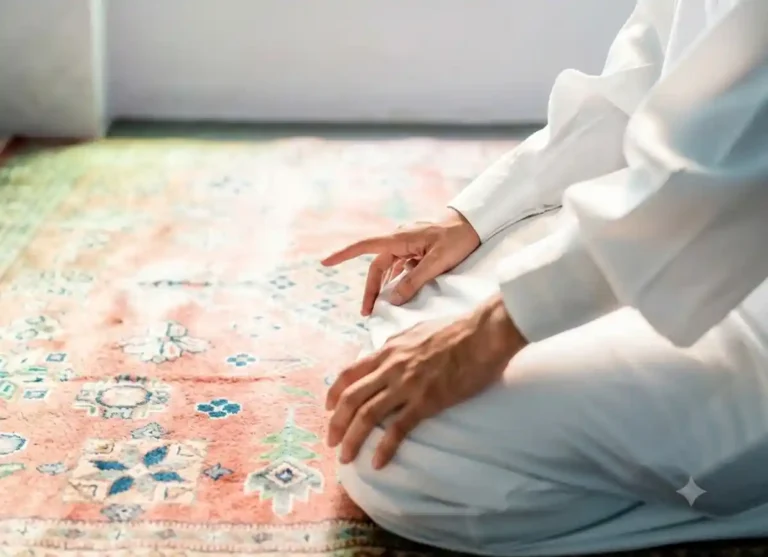
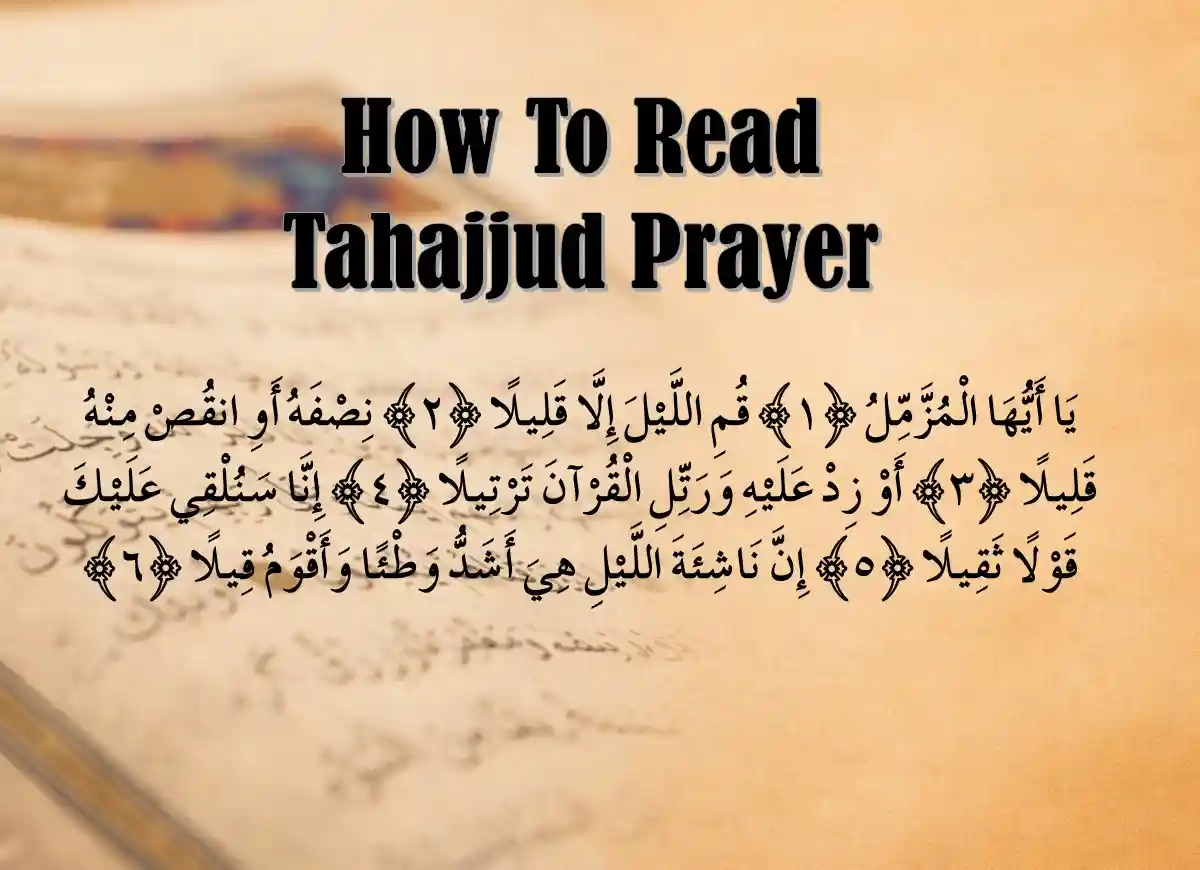

How to read tahajjud prayer is a question that often arrives at the strangest time—when the house is silent, the phone is face down, and your heart is still wide awake. I used to think Tahajjud belonged to “very religious” people. Then I treated it like a startup experiment: build a tiny routine, test it for a week, and see what changes. The result surprised me.
Right after that first week, I kept a simple guide nearby so I wouldn’t overthink the recitations: a beginner-friendly Tahajjud prayer & dua guide on Amazon.
What “Read” Means in Tahajjud (So You Don’t Get Stuck)
When people say “read Tahajjud,” they usually mean two things: what to recite inside the prayer, and what to say after the prayer. The good news is simple: Tahajjud prayer is prayed like normal salah, with the same core recitations, plus any extra Qur’an you can manage.
Tahajjud is a voluntary night prayer, typically prayed after sleeping and before Fajr.
Quick clarity on terms
- tahajjud prayer: voluntary night salah
- tahajjud: the act of rising for worship at night
- tahajjud namaz: the same idea, common wording in South Asia
The Qur’an Foundation for Night Worship
Tahajjud isn’t a trend. It’s rooted in the Qur’an as a time of focus, honesty, and closeness.
Surah Al-Isra (17:79)
Arabic: وَمِنَ ٱلَّيْلِ فَتَهَجَّدْ بِهِۦ نَافِلَةًۭ لَّكَ عَسَىٰٓ أَن يَبْعَثَكَ رَبُّكَ مَقَامًۭا مَّحْمُودًۭا
English: “And from part of the night, pray as extra worship for you; it may be that your Lord will raise you to a praised station.”
Surah Al-Muzzammil (73:6)
Arabic: إِنَّ نَاشِئَةَ ٱلَّيۡلِ هِيَ أَشَدُّ وَطۡـٔٗا وَأَقۡوَمُ قِيلًا
English: “Indeed, worship in the night is stronger for focus and more upright for speech.”
Surah Adh-Dhariyat (51:18)
Arabic: وَبِٱلْأَسْحَارِ هُمْ يَسْتَغْفِرُونَ
English: “And in the pre-dawn hours, they seek forgiveness.”
If you like simple learning support (especially for recitation practice), many readers also use www.quranmualim.com as a helpful Islamic site.
The Hadith That Explains the “Why” of Tahajjud
The best motivation is knowing the door is open when you knock—especially in the last third of the night.
Sahih al-Bukhari 1145 (Book of Tahajjud)
Arabic: يَنْزِلُ رَبُّنَا تَبَارَكَ وَتَعَالَى كُلَّ لَيْلَةٍ إِلَى السَّمَاءِ الدُّنْيَا حِينَ يَبْقَى ثُلُثُ اللَّيْلِ الآخِرُ …
مَنْ يَدْعُونِي فَأَسْتَجِيبَ لَهُ … مَنْ يَسْتَغْفِرُنِي فَأَغْفِرَ لَهُ
English (meaning): Allah calls in the last third of the night: “Who will call upon Me so I answer? Who will ask so I give? Who will seek forgiveness so I forgive?”
You can verify the full wording here: the Sunnah.com page for Bukhari 1145.

A Simple Table: What to Recite in Each Part of Tahajjud
This is the “cheat sheet” many beginners wish they had. Keep it practical and repeatable.
| Prayer part | What you “read” | Easy option (beginner) |
| Standing (Qiyam) | Thana + Al-Fatihah + a surah | Al-Fatihah + Al-Ikhlas |
| Ruku | Tasbih | “Subhana Rabbiyal ‘Azim” (3×) |
| Sujud | Tasbih + personal dua | “Subhana Rabbiyal A‘la” (3×) |
| Sitting | Tashahhud + durood | Standard At-Tahiyyat + salawat |
| Ending | Salam | “Assalamu ‘alaykum…” both sides |
How to Read Tahajjud Prayer: The Core Recitations
Here’s the simplest way to approach it: Tahajjud is just salah, prayed slowly, with more calm and more intention. The recitations are the same ones you already know from daily prayer.
Step-by-step reading inside 2 rak‘ahs
- Niyyah (intention): In your heart, intend Tahajjud for Allah.
- Takbir: “Allahu Akbar.”
- Opening praise (Thana): Any known opening supplication.
- Al-Fatihah in each rak‘ah.
- A short surah (or a few verses) after Al-Fatihah.
- Ruku: say the tasbih calmly.
- Sujud: say the tasbih, then add personal dua quietly.
- Tashahhud in the final sitting.
- Durood (salawat) on the Prophet ﷺ.
- Dua (optional) before salam.
- Salam to end the prayer.
That is the heart of {{ how to read tahajjud prayer}}—no complicated script required.
What Surahs Should You Read? Keep It Light and Consistent
If you’re unsure what to recite, don’t freeze. Choose short surahs you can read with confidence. Consistency is the real win.
Good beginner combinations:
- Al-Fatihah + Al-Ikhlas
- Al-Fatihah + Al-Falaq
- Al-Fatihah + An-Nas
- Al-Fatihah + Al-Kawthar
A simple upgrade plan:
- Keep the same surah for 7 nights
- Add one new short surah the next week
- Slowly increase length only when it feels easy
What to Say After Tahajjud (The Quiet “Investor Pitch”)
Think of the dua after Tahajjud like speaking to the One who can truly change outcomes. Keep it respectful, clear, and real.
Try this structure:
- Praise: “Ya Allah, all praise belongs to You.”
- Honesty: “I’m struggling with…”
- Ask: “Guide me, forgive me, help me.”
- Trust: “If it’s good for me, make it easy. If not, replace it with better.”
This keeps tahajjud prayer from becoming mechanical. It stays personal.
Hanafi Scholar PDF Book Recommendations (New Set)
If you want to learn worship rules with Hanafi scholarship (often available as PDFs through public Islamic libraries and academic archives), these classic works are widely referenced:
- Al-Mabsut — Imam Shams al-A’immah al-Sarakhsi
- Kanz al-Daqa’iq — Imam Abu’l-Barakat al-Nasafi
- Al-Multaqa al-Abhur — Imam Ibrahim al-Halabi
- Tabyin al-Haqa’iq — Imam al-Zayla‘i
- Badhl al-Majhud (hadith commentary used by Hanafi scholars in study circles)
Use these as references, not pressure. Start praying first. Study gradually.
Common Mistakes That Make Tahajjud Feel Hard
Most people don’t fail because they lack sincerity. They fail because they overload the plan.
Avoid these traps:
- Trying to recite long passages immediately
- Staying up too late and then hating the routine
- Skipping because you missed one night
- Comparing your worship to someone else’s
Here’s a healthier rule: small and steady beats perfect and rare.
Conclusion: Make the Night Work for You
The world trains you to be loud and busy. Tahajjud trains you to be steady and sincere. If you can read two rak‘ahs and make one honest dua, you’re already building something powerful—quietly, consistently, and without needing anyone’s approval.
Tonight, keep it simple. Show up. Read what you know. Ask for what you need. Then sleep with a lighter heart. {{ how to read tahajjud prayer}} becomes easy when you stop trying to impress and start trying to return. And once you learn that return, you’ll carry it into every day. {{ how to read tahajjud prayer}} is a habit that can change your life.
FAQs
1) Is Tahajjud read differently from normal salah?
No. It is prayed like regular salah, with Al-Fatihah and a surah in each rak‘ah, plus the usual ruku, sujud, and tashahhud.
2) What if I only know a few short surahs?
That’s enough. Recite what you know confidently. Consistency matters more than length.
3) Can I make dua in my own language after Tahajjud?
Yes. Speak in the language that makes you most sincere and focused.
4) How many rak‘ahs should I pray?
Start with 2. If it becomes easy, add more in sets of two. Keep it sustainable.
5) Do I need to sleep before praying Tahajjud?
Many people do, but if you can pray before sleeping (still before Fajr), it can still be a strong starting step.
6) What’s the best time to pray Tahajjud?
Many aim for the last third of the night, but the best time is the time you can maintain consistently without burning out.
“Similar Posts For You”
- Tahajjud: The Night Prayer Islam
- Best Time to Pray Tahajjud Namaz
- Can You Pray Tahajjud After Witr?
- Powerful Dua After Tahajjud Namaz
- How Many Rakats in Tahajjud Prayer?
- Can I Pray Tahajjud Without Sleeping?
- Is Tahajjud Sunnah or Nafl? Learn Islam
- How To Pray Tahajjud Prayer? Learn Islam
- Is Qiyam and Tahajjud Same? Learn Islam
- Doa Tahajud – Arabic & English Translation
- Virtues and The Benefits of Tahajjud Namaz
- Doa Sholat Tahajud (The Prophetic Supplication)
- How To Pray Tahajjud Namaz? (The Night Prayer)
- What Powerful Tahajjud Dua Acceptance Mean?
- How To Pray Tahajjud Step By Step? Learn Islam
- Prayer At Night (Tahajjud) – Bring You Lasting Peace
- Last Third of The Night- Calculate The Last Third of The Night
- What is Tahajjud Namaz? (What, When, How) Complete Guide
- Tahajud Namaz Complete Guide (Time, Rakats, Duas, Benefits)
Recommended For You:
- How Many Rakats For Fajr Prayer?
- How Many Rakats For Zuhr Prayer?
- How Many Rakats For Asr Prayer?
- How Many Rakats For Maghrib Prayer?
- How Many Rakats For Isha Prayer?
- What Time is The Jummah Prayer?
- 6 Types of Sunnah Prayers In Islam
- How to Perform Salah (Complete Namaz)
- What is The Sitting Between in Khutbah Called?
- Salat | Physical Benefits of Salat Prayer PDF Download