

Prayer for tahajjud usually begins with a small, stubborn hope: “Maybe tonight will be different.”
You’re tired, your mind is busy, and the day didn’t go the way you wanted. Then you remember there’s a quiet hour when the world sleeps and the heart speaks more honestly. That’s the “startup moment” of Tahajjud—simple idea, huge impact.
Amazon book picks (best-selling books)
- Al-Adhkar (Imam an-Nawawi)
What Tahajjud is (in plain words)
Tahajjud is voluntary worship in the night, usually after sleeping and before Fajr. It’s part of night prayer, also called qiyam al-layl. Many people learn the meaning slowly: it’s not “extra pressure,” it’s extra closeness. A quick background definition is available on Tahajjud (Wikipedia):
Why Tahajjud feels like a solution, not a burden
Daytime worship can become rushed because life is loud. Night worship is different because it removes the audience. It gives your heart space to breathe and reset. People often start Tahajjud during a hard season—then keep it in good seasons because it builds calm, clarity, and courage.
The best time for Tahajjud prayer (without overthinking)
The night stretches from after ‘Isha until Fajr. The most recommended part is the last third of the night, when many believers make du‘a and seek forgiveness. But the “best” time is also the time you can actually maintain.
A simple approach:
- If you wake easily: 30–60 minutes before Fajr
- If you struggle: 15–20 minutes before Fajr
- If your schedule is tough: pray earlier at night and keep it consistent
Categories: Namaz ,Zakat , Roza , Prayer , Hadith & Supplications
Quran verses that support night worship
The Quran praises those who rise at night and turn to Allah with humility. Here are some of the most relevant verses with Arabic, transliteration, and clear English meaning.
1) Surah Al-Isra (17:79)
Arabic: وَمِنَ ٱلَّيْلِ فَتَهَجَّدْ بِهِۦ نَافِلَةً لَّكَ عَسَىٰٓ أَن يَبْعَثَكَ رَبُّكَ مَقَامًۭا مَّحْمُودًۭا
Transliteration: Wa minal-layli fatahajjad bihi naafilatal-laka ‘asaa an yab‘athaka rabbuka maqaamam mahmoodaa.
Meaning: “And during the night, pray as an extra act; your Lord may raise you to a praised station.”
2) Surah As-Sajdah (32:16–17)
Arabic (32:16): تَتَجَافَىٰ جُنُوبُهُمْ عَنِ ٱلْمَضَاجِعِ يَدْعُونَ رَبَّهُمْ خَوْفًۭا وَطَمَعًۭا
Transliteration: Tatajaafaa junuubuhum ‘anil-madaaji‘i yad‘uuna rabbahum khawfan wa tama‘aa.
Meaning: “They leave their beds, calling upon their Lord in fear and hope…”
3) Surah Adh-Dhariyat (51:17–18)
Arabic: كَانُوا۟ قَلِيلًۭا مِّنَ ٱلَّيْلِ مَا يَهْجَعُونَ وَبِٱلْأَسْحَارِ هُمْ يَسْتَغْفِرُونَ
Transliteration: Kaanoo qaleelan minal-layli maa yahja‘oon, wa bil-ashaari hum yastaghfiroon.
Meaning: “They used to sleep little at night, and before dawn they sought forgiveness.”
Hadith that makes Tahajjud feel real
The Prophet ﷺ guided the ummah toward night worship with clear words and simple structure. These hadith references are widely used by scholars and students; you can read full texts by searching the numbers on Sunnah.com:
1) Sahih al-Bukhari 1145
Arabic excerpt: «مَنْ يَدْعُونِي فَأَسْتَجِيبَ لَهُ… مَنْ يَسْتَغْفِرُنِي فَأَغْفِرَ لَهُ»
Transliteration: Man yad‘ooni fa-astajeeba lah… man yastaghfiruni fa-aghfira lah.
Meaning: Allah invites: “Who will call on Me so I answer? Who seeks forgiveness so I forgive?”
2) Sahih al-Bukhari 1137
Arabic excerpt: «صَلَاةُ اللَّيْلِ مَثْنَى مَثْنَى… فَأَوْتِرْ بِوَاحِدَةٍ»
Transliteration: Salaatul-layli mathnaa mathnaa… fa-awtir biwaahidah.
Meaning: “Night prayer is two by two… then ends with Witr.”
3) Sahih Muslim 758
Arabic theme (reference): فضل قيام الليل
Transliteration: Fadlu qiyaamil-layl.
Meaning: Night worship is praised, and the late hours are a time of mercy and answered du‘a.
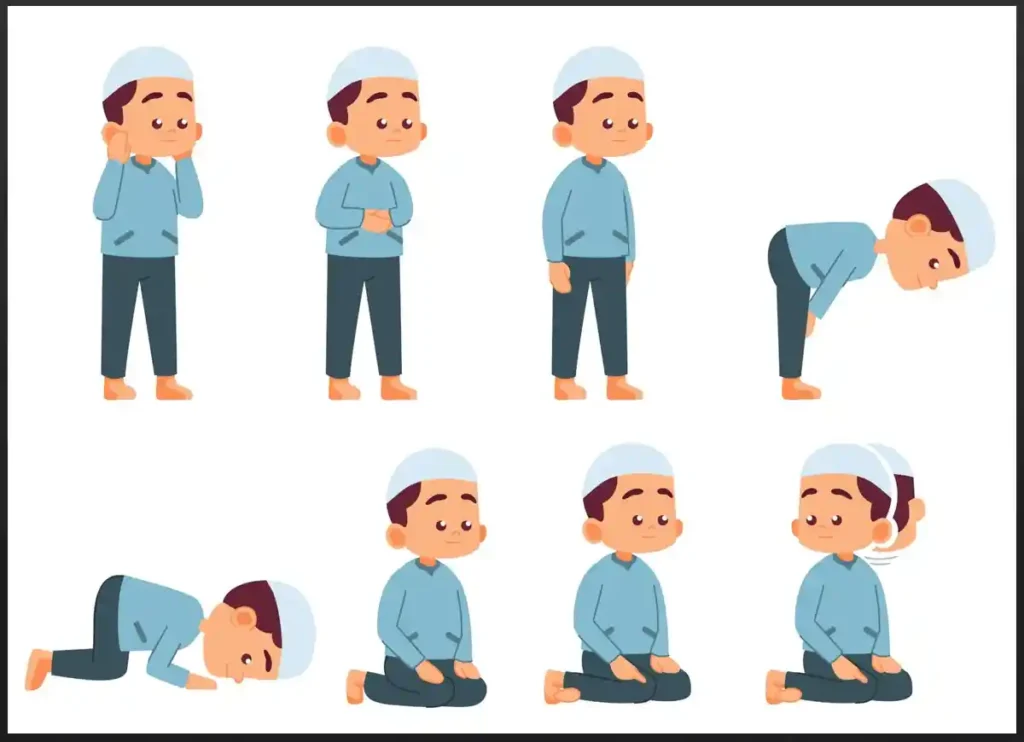
How to pray tahajjud for beginners (a calm, step-by-step path)
If you’re new, don’t aim for long raka‘at. Aim for a routine you can repeat. Your first win is simply standing up and beginning.
Step-by-step beginner method
- Pray ‘Isha, then sleep
- Wake up before Fajr
- Make wudu
- Pray 2 rak‘ah nafl
- Add another 2 rak‘ah if you can
- Make du‘a after salah
- Pray Witr if it’s still due
Also Read; Root Words of Quran
Dua for Tahajjud prayer (what to say when you’re alone)
Du‘a at night doesn’t need to be poetic. It needs to be honest. If you forget the Arabic, speak in your own language. Then slowly add short Sunnah phrases over time.
Here are three short duas that are easy to keep:
- Forgiveness: Astaghfirullah (I seek Allah’s forgiveness)
- Guidance: “O Allah, guide me and keep me firm.”
- Relief: “O Allah, open a door for me where I see no way.”
For more reminders and learning notes, you can also visit www.quranmualim.com.
Short Arabic Tahajjud duas (Arabic + transliteration + meaning)
1) Bedrock dua for forgiveness
Arabic: رَبِّ اغْفِرْ لِي وَتُبْ عَلَيَّ
Transliteration: Rabbi-ghfir lee wa tub ‘alayya.
Meaning: “My Lord, forgive me and accept my repentance.”
2) Dua for guidance and steadiness
Arabic: اللَّهُمَّ اهْدِنِي وَسَدِّدْنِي
Transliteration: Allahumma ihdinee wa saddidnee.
Meaning: “O Allah, guide me and make me firm.”
3) Dua for ease
Arabic: اللَّهُمَّ اجْعَلْ لِي مِنْ أَمْرِي يُسْرًا
Transliteration: Allahumma-j‘al lee min amree yusrā.
Meaning: “O Allah, grant ease in my affairs.”
A “startup plan” to make Tahajjud stick
Most people don’t quit because Tahajjud is hard. They quit because the plan is unrealistic. Build it like a smart project: small steps, steady progress, quick restarts.
7-day habit plan
- Days 1–2: 2 rak‘ah + one honest du‘a
- Days 3–4: 2 rak‘ah + 3 minutes istighfar
- Days 5–6: 4 rak‘ah total, light recitation
- Day 7: keep it short and protect consistency
Hanafi scholars’ PDF book names (for deeper study)
If you like Hanafi fiqh structure for nafl worship and prayer rules, these well-known works are often available as PDFs in many libraries and study circles (names only, as requested):
- Al-Jami‘ al-Saghir — Imam Muhammad al-Shaybani
- Sharh Ma‘ani al-Athar — Imam al-Tahawi
- Tuhfat al-Fuqaha — ‘Ala’ al-Din al-Samarqandi
- Al-Muhit al-Burhani — Burhan al-Din al-Bukhari
- Tabyin al-Haqa’iq — Imam al-Zayla‘i
Conclusion
prayer for tahajjud isn’t a badge for “super spiritual” people. It’s a quiet tool for real people who want Allah’s help before the world starts demanding everything again. Keep it small. Keep it honest. And when you miss a night, don’t make it a drama—restart fast and move forward.
prayer for tahajjud becomes your private advantage: a steady habit that strengthens your heart, sharpens your du‘a, and builds a calm confidence that follows you into the daylight.
FAQs
1) What is the best time for Tahajjud prayer?
The last third of the night is often described as the most special time. But the best time is also the time you can maintain consistently, even if it’s only 15–20 minutes before Fajr.
2) How many rak‘ah should beginners pray?
Start with 2 rak‘ah. If it becomes easy, add more in sets of two. Consistency matters more than the number.
3) What if I can’t wake up?
Sleep a bit earlier, set one gentle alarm, and promise yourself “only two rak‘ah.” Small wins repeated beat big plans that never happen.
4) What is a simple dua for Tahajjud prayer?
A simple one is: Rabbi-ghfir lee wa tub ‘alayya (My Lord, forgive me and accept my repentance). You can also speak to Allah in your own words.
5) Do I need long Quran recitation in Tahajjud?
No. Recite what you know, even if it’s short. The power of Tahajjud is sincerity, not performance.
“Similar Posts For You”
- Tahajjud: The Night Prayer Islam
- Best Time to Pray Tahajjud Namaz
- Can You Pray Tahajjud After Witr?
- Powerful Dua After Tahajjud Namaz
- How Many Rakats in Tahajjud Prayer?
- Can I Pray Tahajjud Without Sleeping?
- Is Tahajjud Sunnah or Nafl? Learn Islam
- How To Pray Tahajjud Prayer? Learn Islam
- Is Qiyam and Tahajjud Same? Learn Islam
- Doa Tahajud – Arabic & English Translation
- Virtues and The Benefits of Tahajjud Namaz
- Doa Sholat Tahajud (The Prophetic Supplication)
- How To Pray Tahajjud Namaz? (The Night Prayer)
- What Powerful Tahajjud Dua Acceptance Mean?
- How To Pray Tahajjud Step By Step? Learn Islam
- How To Read Tahajjud Prayer? A Step By Step Guide
- Prayer At Night (Tahajjud) – Bring You Lasting Peace
- Last Third of The Night- Calculate The Last Third of The Night
- What is Tahajjud Namaz? (What, When, How) Complete Guide
- Tahajud Namaz Complete Guide (Time, Rakats, Duas, Benefits)
Recommended For You:
- 6 Types of Sunnah Prayers In Islam
- How to Perform Wudu Step by Step?
- How to Perform Fajr Prayer (صلاة الفجر)?
- How to Perform Zuhr Prayer – صَلَاة ٱلظُّهْر?
- How to Perform Asr Prayer- صلاة العصر)?
- How to Perform Maghrib Prayer- صلاة المغرب?
- How to Perform Isha Prayer-صلاة العشاء?