

Dua for namaz often becomes urgent when Muslims feel distracted, rushed, or unsure what to say after salah. Many people know the movements, but their tongue goes quiet when the prayer ends. That confusion is common, especially for beginners and busy families. The solution is to learn a few authentic duas and repeat them daily until they feel natural.
After the first paragraph, here’s one helpful reference book: Fortress of the Muslim (Hisnul Muslim) on Amazon
The problem → insight → solution journey
People mix up “dua” and “salah.” Salah is the structured prayer with timings and actions, while dua is your personal request to Allah. In real life, many Muslims do both, but don’t know which duas are most authentic or easiest to memorize. A clean routine removes stress and brings focus back.
To understand the basics of salah as a daily pillar, a general overview helps. Read the Salah overview on Wikipedia.
For a simple, reliable definition of the daily ritual prayer in Islam, this summary is also useful. See Britannica’s explanation of salat.
Why duas around prayer matter
Dua keeps prayer alive in your day. Salah is the appointment; dua is the honest conversation that follows. When you make dua regularly, you begin to notice calmer choices, softer reactions, and more hope during pressure. Even short duas can reshape your mindset if you repeat them consistently.
Two Qur’an verses that frame the purpose of prayer
Arabic (key phrase): وَأَقِمِ ٱلصَّلَوٰةَ لِذِكْرِي
Transliteration: Wa aqimiṣ-ṣalāta li-dhikrī
Short meaning: Establish prayer to remember Me.
Transliteration (summary): Innaṣ-ṣalāta tanhā ‘anil-faḥshā’i wal-munkar
Short meaning: True prayer helps prevent indecency and wrongdoing.
Two Hadith references (Kutub al-Sittah rotation)
Short meaning: After tasleem, the Prophet ﷺ would say: “O Allah, You are Peace, and from You comes peace…”
Contextual link: Dua after tasleem in Sunan an-Nasa’i.
Short meaning: After Fajr (Subh), the Prophet ﷺ would ask for beneficial knowledge, good provision, and accepted deeds.
Contextual link: Dua after Subh in Sunan Ibn Majah.
A practical Hanafi-friendly rule of thumb
In Hanafi practice, the safest habit is simple: complete your fard salah properly, then do short dhikr and dua without turning it into something “mandatory” that you judge others by. If you want deeper fiqh details, you can read discussions on islamicteachings.org/forum and trusted answers on islamqa.info/en.
And for beginners who like guided learning, www.quranmualim.com can be a helpful Islamic learning site to explore over time.
Categories: Namaz ,Zakat , Roza & Prayer , Hadith

A short, strong routine you can actually stick to
You don’t need a long list. Pick 3–5 items and repeat them daily:
- Astaghfirullah (3 times)
- Allahumma anta as-salam… (once)
- A short personal dua in your own words
- One focused “life” dua (knowledge, rizq, acceptance)
Similar Posts For You: 5 Time Namaz: Do We Perform Every Rakat Correctly?
This routine is small enough to keep, even on busy school or work days.
Core duas (Arabic + transliteration + meaning)
1) Seeking forgiveness
Arabic: أَسْتَغْفِرُ ٱللّٰهَ
Transliteration: Astaghfirullāh
Meaning: I seek Allah’s forgiveness.
Say it slowly, and actually mean it. This is one of the easiest ways to soften the heart after prayer.
2) Dua after tasleem (very common)
Arabic: اللّٰهُمَّ أَنْتَ السَّلَامُ وَمِنْكَ السَّلَامُ تَبَارَكْتَ يَا ذَا الْجَلَالِ وَالإِكْرَامِ
Transliteration: Allāhumma antas-salām wa minkas-salām, tabārakta yā dhal-jalāli wal-ikrām
Meaning: O Allah, You are Peace, and from You comes peace; blessed are You, Owner of Majesty and Honor.
3) Dua for Fajr (after Subh)
This is often remembered as a dua for fajr namaz because it is linked with Subh in the narration.
Arabic: اللّٰهُمَّ إِنِّي أَسْأَلُكَ عِلْمًا نَافِعًا وَرِزْقًا طَيِّبًا وَعَمَلًا مُتَقَبَّلًا
Transliteration: Allāhumma innī as’aluka ‘ilman nāfi‘an, wa rizqan ṭayyiban, wa ‘amalan mutaqabbalan
Meaning: O Allah, grant me beneficial knowledge, good provision, and accepted deeds.
Quick checklist: make your “namaz Dua” consistent
Use this checklist for the next 7 days:
- Pray fard with calm focus.
- Stay seated after tasleem for 60 seconds.
- Read Astaghfirullah 3 times.
- Read “Allahumma anta as-salam…” once.
- Make one personal dua: faith, family, studies, rizq, forgiveness.
Small consistency beats big bursts that fade.
A simple table for “what to say when”
| Time | What to recite | Why it helps |
| Right after tasleem | Astaghfirullah (x3) | Clears mistakes and resets the heart |
| After that | Allahumma anta as-salam… | Ends prayer with peace and praise |
| After Fajr | Beneficial knowledge, rizq, acceptance | Sets direction for your whole day |
| Any time | Your own words | Builds sincerity and closeness |
3–5 Hanafi fiqh book titles (titles only)
- Nur al-Idah
- Maraqi al-Falah (Sharh Nur al-Idah)
- Al-Hidayah
- Radd al-Muhtar (Hashiyah Ibn ‘Abidin)
- Al-Fatawa al-Hindiyyah (Fatawa Alamgiri)
One reputable Islamic resource link (for practical learning)
If you want a beginner-friendly guide to duas and what to say after prayer, this page is a clear starting point: Dua after Salah guide by Islamic Relief.
Similar Posts For You: Are We Praying 2 Rakat The Right Way?
FAQ
What is the easiest dua to memorize after prayer?
Start with Astaghfirullah three times and “Allahumma anta as-salam…” once. They’re short, authentic, and easy to repeat daily without pressure.
Is it okay to make dua in my own language after salah?
Yes. Speak to Allah sincerely in words you understand. Keep it respectful, and don’t treat any single style as the only “correct” way.
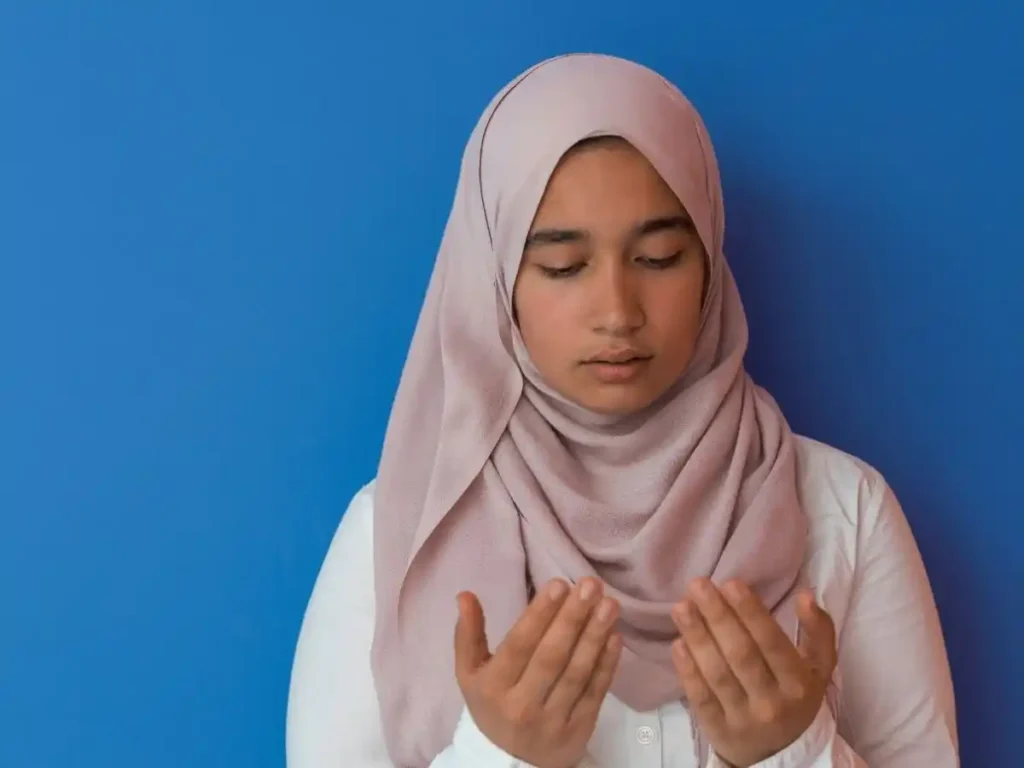
Do I have to raise my hands for dua after namaz?
You may, and many people do. But don’t make it a rigid rule. Focus more on humility, manners, and sincerity than hand position.
What if I forget the Arabic words?
Make dua in simple words you know. Over time, memorize one line at a time. Consistency matters more than perfection in the beginning.
How long should I sit after prayer for dhikr and dua?
Even one minute helps. A short, daily routine is better than long sessions you can’t maintain. Build slowly and stay steady.7
Conclusion
dua for namaz becomes powerful when it turns into a habit, not a “special occasion.” Keep your routine short, authentic, and consistent. Start with forgiveness, end with peace, and ask Allah for what you truly need. With a week of steady practice, your tongue will feel lighter, and your heart will feel more present in every prayer.
Recommended For You:
- How Many Rakats For Fajr Prayer?
- How Many Rakats For Zuhr Prayer?
- How Many Rakats For Asr Prayer?
- How Many Rakats For Maghrib Prayer?
- How Many Rakats For Isha Prayer?
- What Time is The Jummah Prayer?
- 6 Types of Sunnah Prayers In Islam
- How to Perform Salah (Complete Namaz)
- What is The Sitting Between in Khutbah Called?
- Salat | Physical Benefits of Salat Prayer PDF Download