

How to pray Namaz Tahajjud often starts with a very human moment: you wake up in the dark, not fully sure why, and your heart feels like it has unfinished business. That’s the quiet beginning of a “startup journey” of the soul—one problem (restlessness), one simple solution (stand for Allah), and one long-term payoff (a calmer, stronger you).
Best book on Amazon—placed right after the first paragraph: Check Price
- Fortress of the Muslim (Hisnul Muslim):
- Riyad as-Salihin:
What Tahajjud is (and why it feels so personal)
Tahajjud is a voluntary night prayer prayed after ‘Isha and before Fajr, ideally after sleeping for a while. It’s not about showing off worship. It’s about showing up when nobody is watching. A quick background definition is available here: Tahajjud
Many people call it “tahajjud namaz,” and some ask specifically about how to pray tahajjud namaz sunni. The practical steps are mostly the same across Sunni schools; differences are usually about Witr details, not the heart of Tahajjud.
Why “prayer in the night” fixes what the day can’t
Daytime worship can become rushed. You’re juggling family, work, messages, noise, and pressure. Tahajjud feels different because it removes the audience and reduces the distraction. It gives you a clean space to speak honestly, ask sincerely, and cry if you need to.
For a broader overview of Islamic prayer itself, Britannica’s article on Ṣalāt.
Quran verses that inspire Tahajjud
The Quran praises those who rise at night and turn to Allah with humility. Below are the most relevant verses with Arabic, transliteration, and a clear English meaning.
1) Surah Al-Isra (17:79)
Arabic: وَمِنَ ٱلَّيْلِ فَتَهَجَّدْ بِهِۦ نَافِلَةً لَّكَ عَسَىٰٓ أَن يَبْعَثَكَ رَبُّكَ مَقَامًۭا مَّحْمُودًۭا
Transliteration: Wa minal-layli fatahajjad bihi naafilatal-laka ‘asaa an yab‘athaka rabbuka maqaamam mahmoodaa.
Meaning: “And during the night, pray as an extra act; your Lord may raise you to a praised station.”
2) Surah As-Sajdah (32:16–17)
Arabic (32:16): تَتَجَافَىٰ جُنُوبُهُمْ عَنِ ٱلْمَضَاجِعِ يَدْعُونَ رَبَّهُمْ خَوْفًۭا وَطَمَعًۭا
Transliteration: Tatajaafaa junuubuhum ‘anil-madaaji‘i yad‘uuna rabbahum khawfan wa tama‘aa.
Meaning: “They leave their beds, calling upon their Lord in fear and hope…”
3) Surah Adh-Dhariyat (51:17–18)
Arabic: كَانُوا۟ قَلِيلًۭا مِّنَ ٱلَّيْلِ مَا يَهْجَعُونَ وَبِٱلْأَسْحَارِ هُمْ يَسْتَغْفِرُونَ
Transliteration: Kaanoo qaleelan minal-layli maa yahja‘oon, wa bil-ashaari hum yastaghfiroon.
Meaning: “They slept little at night, and before dawn they sought forgiveness.”
Hadith references that make Tahajjud practical
Tahajjud isn’t only a beautiful idea. It’s strongly encouraged in authentic hadith, with guidance about timing and the simple “two by two” format.
1) Sahih al-Bukhari 1145
Arabic excerpt: «مَنْ يَدْعُونِي فَأَسْتَجِيبَ لَهُ… مَنْ يَسْتَغْفِرُنِي فَأَغْفِرَ لَهُ»
Transliteration: Man yad‘ooni fa-astajeeba lah… man yastaghfiruni fa-aghfira lah.
Meaning: Allah invites: “Who will call upon Me so I answer? Who seeks forgiveness so I forgive?”
2) Sahih Muslim 758b
Arabic (on the source page): (full text available)
Meaning: Mercy is near in the depths of the night, and sincere du‘a is answered.
3) Sahih al-Bukhari 1137
Arabic excerpt: «صَلَاةُ اللَّيْلِ مَثْنَى مَثْنَى… فَأَوْتِرْ بِوَاحِدَةٍ»
Transliteration: Salaatul-layli mathnaa mathnaa… fa-awtir biwaahidah.
Meaning: “Night prayer is two by two… then end with Witr.”
A simple schedule that works in real life
You don’t need a perfect night routine. You need a doable one. Tahajjud sits between ‘Isha and Fajr, and the “best” time is often the last third of the night—but any time before Fajr can work.
Try one of these:
- 20 minutes before Fajr: shortest, easiest habit
- 45 minutes before Fajr: room for 4–8 rak‘ah and du‘a
- Weekend reset: one strong night weekly, then expand slowly
Also Read: Tahajud Namaz Complete Guide (Time, Rakats, Duas, Benefits)

How to pray Tahajjud (the easiest step-by-step method)
If you’re new, keep it light. Your goal is not length. Your goal is consistency and sincerity.
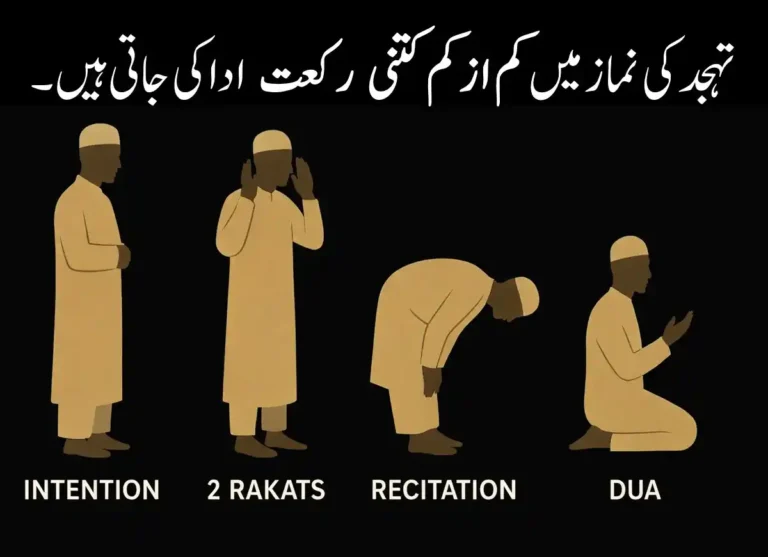
Step-by-step
- Pray ‘Isha, then sleep with intention
- Wake up before Fajr and say Bismillah
- Make wudu calmly
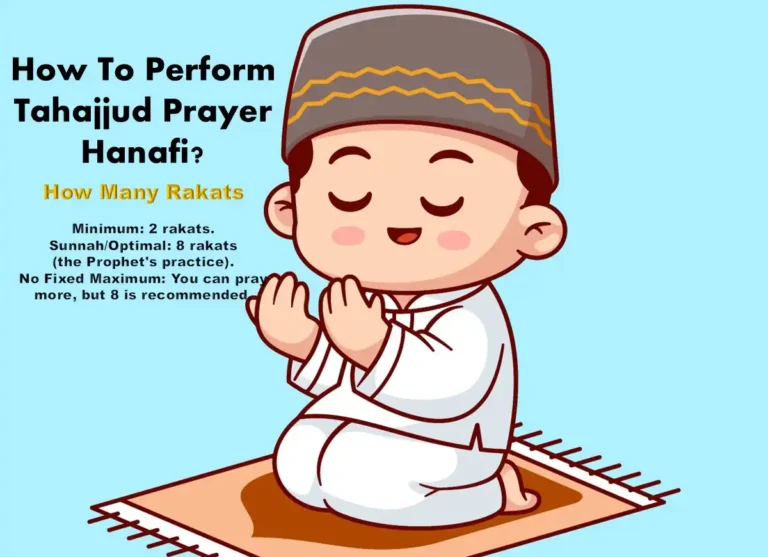
- Pray 2 rak‘ah nafl (this is your Tahajjud start)
- Say salam, then add another 2 rak‘ah if you can
- Make du‘a in sujood and after salah
- Pray Witr if it’s still due
What to recite (beginner-friendly)
- Al-Fatihah + any short surah you know
- Repeat short surahs if that’s all you have
- Make sujood longer than usual
- Add istighfar: Astaghfirullah
In everyday language, this is the core of tahajjud: two-rak‘ah steps toward Allah, repeated as you’re able.
Sunni madhhab options: Hanafi, Shafi‘i, and Maliki notes
People often ask about “the Sunni way.” The truth is simple: all Sunni schools honor Tahajjud. Differences appear mostly around Witr structure and a few details, not the main Tahajjud format.
Hanafi (common practice)
- Witr is strongly emphasized (often taught as wajib)
- Many pray Witr as 3 rak‘ah with one salam
- Du‘a al-Qunut is commonly recited in the last rak‘ah
Shafi‘i (common practice)
- Witr is a confirmed and flexible Sunnah.
- Often prayed as one or three, depending on practice
- Qunut discussions are well-known, especially in Ramadan habits
Maliki (common practice)
- Witr is a stressed Sunnah and a steady nightly habit
- Details can differ, but the aim stays the same: end night worship well
For additional learning and reminders, you can also visit www.quranmualim.com for Islamic content and guidance.
Hanafi scholars’ PDF book names (for deeper study)
If you want Hanafi fiqh depth around night worship and prayer rules, these titles are commonly available in PDF libraries and study circles (names only, as requested):
- Umdat al-Fiqh (Hanafi collections in study circles)
- Al-Ikhtiyar li Ta‘lil al-Mukhtar—‘Abdullah ibn Mahmud al-Mawsili
- Kanz al-Daqa’iq—Abu al-Barakat al-Nasafi
- Al-Ashbah wa al-Naza’ir — Ibn Nujaym
- Fath Bab al-‘Inayah (Hanafi commentary tradition)
A “startup-style” 7-day Tahajjud plan that sticks
Most people fail by going too big too fast. Build your habit like a smart project: small steps, repeated often.
7-day plan
- Day 1–2: 2 rak‘ah + one honest du‘a
- Day 3–4: 2 rak‘ah + 3 minutes istighfar
- Day 5–6: 4 rak‘ah total (light recitation)
- Day 7: keep it short and consistent—no burnout
Quick fixes for common obstacles
- Too sleepy: sleep 30 minutes earlier
- No focus: keep your phone outside the room
- No motivation: promise yourself “only 2 rak‘ah”
And yes—this is exactly how people quietly succeed with tahajjud namaz: they protect consistency more than intensity.
Conclusion
how to pray namaz tahajjud becomes easy when you stop treating it like a hard exam and start treating it like a private meeting with Allah. The night doesn’t demand your perfection. It welcomes your return. Begin with two rak‘ah, guard that habit, and let the results grow on their own.
how to pray namaz tahajjud is a small decision that makes you stronger than yesterday. Keep it. Repeat it. And watch what opens—one calm morning at a time.
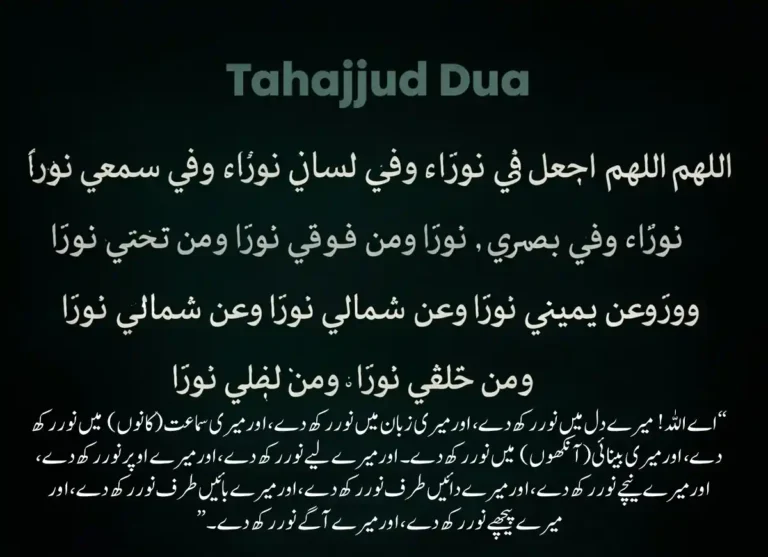
Short Tahajjud du‘as (Arabic + transliteration + meaning)
1) Dua for forgiveness
Arabic: رَبِّ اغْفِرْ لِي وَتُبْ عَلَيَّ
Transliteration: Rabbi-ghfir lee wa tub ‘alayya.
Meaning: “My Lord, forgive me and accept my repentance.”
2) Dua for guidance and steadiness
Arabic: اللَّهُمَّ اهْدِنِي وَسَدِّدْنِي
Transliteration: Allahumma ihdinee wa saddidnee.
Meaning: “O Allah, guide me and make me firm.”
3) Dua for ease in life
Arabic: اللَّهُمَّ اجْعَلْ لِي مِنْ أَمْرِي يُسْرًا
Transliteration: Allahumma-j‘al lee min amree yusrā.
Meaning: “O Allah, grant ease in my affairs.”
FAQs
1) Do I have to sleep for Tahajjud?
Many scholars describe Tahajjud as night prayer after sleep. But if you can’t sleep, praying at night is still valuable worship. Don’t let the detail stop you from praying.
2) How many rak‘ah should I pray?
Start with 2 rak‘ah. Add more in sets of two when it becomes easy.
3) Is Tahajjud only for very religious people?
No. Tahajjud is for anyone who wants to return to Allah. The best start is a small, consistent start.
4) When should I pray Witr?
If Witr is still due, it’s best to end your night worship with Witr. Hanafi practice emphasizes it strongly.
5) What should I ask Allah for in Tahajjud?
Ask for forgiveness, guidance, halal رزق, healing, peace at home, and strength to stay steady. Speak simply. The honesty is the beauty.
Similar Posts
- Can I Pray Tahajjud Without Sleeping?
- Virtues and The Benefits of Tahajjud Namaz
- Can You Pray Tahajjud After Witr?
- Best Time to Pray Tahajjud Namaz
- Powerful Dua After Tahajjud Namaz
- How Many Rakats in Tahajjud Namaz?
- Dua for Tahajjud (Powerful Supplication)
- How To Perform Tahajjud Prayer Hanafi?
- How To Perform Namaz Tahajjud Step By Step?
- How To Offer Tahajjud Namaz & Witr – Learn Islam
- Tahajjud Dua: Prophetic Supplications for Night Prayer
- Tahajud Namaz Complete Guide (Time, Rakats, Duas, Benefits)
Recommended For You:
- 6 Types of Sunnah Prayers In Islam
- How to Perform Wudu Step by Step?
- How to Perform Fajr Prayer (صلاة الفجر)?
- How to Perform Zuhr Prayer – صَلَاة ٱلظُّهْر?
- How to Perform Asr Prayer- صلاة العصر)?
- How to Perform Maghrib Prayer- صلاة المغرب?
- How to Perform Isha Prayer-صلاة العشاء?