

Is tahajjud sunnah or nafl is the kind of question that usually appears at night, not in a classroom.
Someone hears about Tahajjud, feels inspired, and then gets stuck on labels. I’ve watched people pause at that point like a startup founder overthinking the logo instead of launching the product. Let’s make it simple, clear, and practical.
Amazon book picks (Best Selling Books For Readers)
The quick answer (without the confusion)
Tahajjud is a voluntary night prayer. In common fiqh language, it is nafl (optional), and also a Sunnah practice in the sense that the Prophet ﷺ regularly prayed night prayer and encouraged it. That’s why you’ll hear people say tahajjud is nafl or sunnah—both are pointing to its beloved, non-obligatory nature.
For a simple background definition of Tahajjud, see the contextual entry here: Tahajjud (Wikipedia)
Why people get stuck on “Sunnah” vs “Nafl”
In everyday talk, “Sunnah” can mean two different things:
- A practice from the Prophet ﷺ (recommended and loved)
- A specific legal category (like Sunnah Mu’akkadah vs Nafl)
So when someone asks tahajjud is sunnah or nafl, they might be mixing the “practice” meaning with the “category” explaining its ruling. The good news: no matter which wording you use, Tahajjud is highly rewarded and strongly encouraged.
What the Quran says about night prayer
The Quran speaks about night worship with a gentle, uplifting tone. It’s not just a rule—it’s an invitation to grow closer to Allah when the world is quiet.
Most relevant Quran verses (Arabic + translation)
1) Surah Al-Isra (17:79)
Arabic: وَمِنَ ٱلَّيْلِ فَتَهَجَّدْ بِهِۦ نَافِلَةً لَّكَ عَسَىٰٓ أَن يَبْعَثَكَ رَبُّكَ مَقَامًۭا مَّحْمُودًۭا
English meaning: “And during the night, pray as an extra act; your Lord may raise you to a praised station.” (Reference: Surah Al-Isra, Ayah 79)
2) Surah As-Sajdah (32:16–17)
Arabic: تَتَجَافَىٰ جُنُوبُهُمْ عَنِ ٱلْمَضَاجِعِ يَدْعُونَ رَبَّهُمْ خَوْفًۭا وَطَمَعًۭا
English meaning: “They leave their beds, calling upon their Lord in fear and hope…” (Reference: Surah As-Sajdah, Ayah 16)
3) Surah Adh-Dhariyat (51:17–18)
Arabic: كَانُوا۟ قَلِيلًۭا مِّنَ ٱلَّيْلِ مَا يَهْجَعُونَ وَبِٱلْأَسْحَارِ هُمْ يَسْتَغْفِرُونَ
English meaning: “They used to sleep little at night, and before dawn they sought forgiveness.” (Reference: Surah Adh-Dhariyat, Ayah 17–18)
Hadith that explains its value (and why it’s worth the effort)
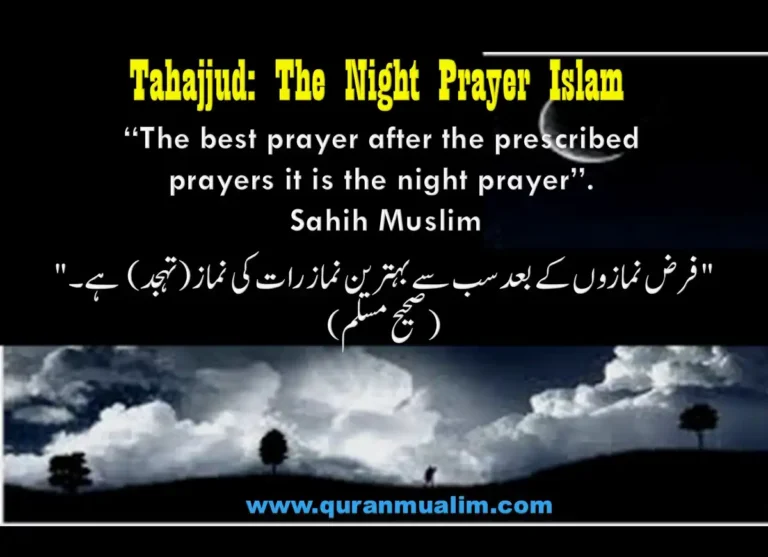
Tahajjud isn’t popular because it’s trendy. It’s popular because it works on the heart. The Prophet ﷺ taught that the late night hours carry a special closeness to Allah.
Most relevant Hadith references (Arabic + translation)
1) Sahih al-Bukhari, Hadith 1145
Arabic excerpt: «مَنْ يَدْعُونِي فَأَسْتَجِيبَ لَهُ… مَنْ يَسْتَغْفِرُنِي فَأَغْفِرَ لَهُ»
English meaning: Allah invites: “Who will call upon Me so I answer? Who seeks forgiveness so I forgive?” (Source: Sahih al-Bukhari, 1145)
2) Sahih al-Bukhari, Hadith 1137
Arabic excerpt: «صَلَاةُ اللَّيْلِ مَثْنَى مَثْنَى…»
English meaning: “Night prayer is two by two…”
(Source: Sahih al-Bukhari, 1137)
3) Sahih Muslim, Hadith 758
Arabic reference theme: فضل قيام الليل
English meaning: Night worship is praised, and the late night hours are a time of mercy and response.
(Source: Sahih Muslim, 758)
Categories: Namaz ,Zakat , Roza , Prayer , Hadith & Supplications

So… is it Sunnah or Nafl in fiqh language?
Here’s the simplest way to remember it:
- Tahajjud is Nafl: you are not sinful for missing it.
- Tahajjud is a Sunnah practice: it is from the Prophet’s ﷺ regular worship and highly encouraged.
That’s why you’ll see all these phrases online:
- tahajjud sunnah or nafl
- tahajjud is nafl or sunnah
- tahajjud is sunnah or nafl
They’re circling the same truth: it’s optional, but spiritually powerful.
A “startup journey” way to approach Tahajjud
In startup terms, Tahajjud is not your “final product.” It’s your daily build. You don’t need a perfect schedule, perfect recitation, or a dramatic story. You need a small routine that survives real life.
A practical 3-step launch plan
- Start tiny: 2 rak‘ah once or twice a week
- Make it easy: sleep 20–30 minutes earlier
- Track consistency: not how long you prayed, but how often you returned
After a few weeks, the habit becomes less about discipline and more about craving that quiet connection.
How to pray Tahajjud (simple steps)
If you’re thinking, “Okay, I’m convinced—what do I actually do?” Here’s a clean method anyone can follow.
How to pray Tahajjud step by step
- Pray ‘Isha, then sleep
- Wake up before Fajr (even 20 minutes helps)
- Make wudu
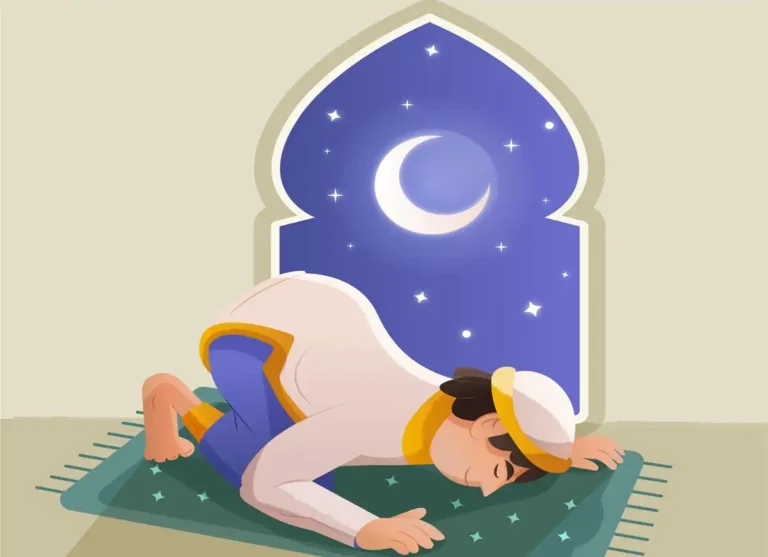
- Pray 2 rak‘ah (like normal nafl prayer)
- Add more in sets of two if you can
- Make du‘a with your own words
- Pray Witr if you haven’t prayed it yet
That’s it. Tahajjud prayer is not complicated. The hardest part is simply getting up.
Hanafi, Shafi‘i, and Maliki note (so you don’t overthink)
Across Sunni schools, Tahajjud is loved and recommended. Differences usually show up around Witr details, not the core idea of night prayer. If you’re praying in the night to seek closeness to Allah, you’re on the right track.
For a broader overview of ritual prayer in Islam, you can also read Ṣalāt (Britannica)
Hanafi scholars’ PDF book names (for deeper reading)
Here are Hanafi classics that many students find as PDFs through libraries and study circles (names only, as requested). These are different picks than earlier lists:
- Al-Mabsut—Imam al-Sarakhsi
- Tabyin al-Haqa’iq—Imam al-Zayla‘i
- Al-Jami‘ al-Saghir—Imam Muhammad al-Shaybani
- Fatawa al-Bazzaziyyah—Imam al-Bazzazi
- Sharh Ma‘ani al-Athar—Imam al-Tahawi
And for general learning and reminders, you can also visit www.quranmualim.com as a helpful Islamic site.
Conclusion
Whether tahajjud is sunnah or nafl comes down to this: it’s not mandatory, but it’s a proven path to strength. If your heart feels heavy, Tahajjud is one of the most practical ways to lighten it. Start small, stay steady, and don’t negotiate with excuses at 3 a.m. Just stand up—and let Allah do the rest.
Also Read; Root Words of Quran

FAQs
1) Is Tahajjud wajib?
No. Tahajjud is voluntary. Missing it is not a sin, but praying it carries great reward.
2) Why do some people call it Sunnah if it’s Nafl?
Because “Sunnah” can mean “Prophetic practice.” Tahajjud is optional in law, yet strongly connected to the Prophet’s ﷺ night worship.
3) How many rak‘ah should I pray?
Start with 2 rak‘ah. You can add more in sets of two. Consistency matters more than quantity.
4) Do I have to sleep before Tahajjud?
Many scholars say Tahajjud is after sleep, but praying at night is still rewarded even if you didn’t sleep. Don’t let technical details block worship.
5) When should I pray Witr if I’m doing Tahajjud?
It’s best to end your night worship with Witr if it’s still due. If you already prayed Witr, you can still pray extra nafl afterward in many scholarly discussions.
“Similar Posts For You”
- Best Time to Pray Tahajjud Namaz
- How Many Rakats in Tahajjud Prayer?
- Can I Pray Tahajjud Without Sleeping?
- Can You Pray Tahajjud After Witr?
- Powerful Dua After Tahajjud Namaz
- Virtues and The Benefits of Tahajjud Namaz
- How To Pray the Tahajjud Prayer? Learn Islam
- How To Pray Tahajjud Namaz? (The Night Prayer)
- What is Tahajjud Namaz? (What, When, How) Complete Guide
- Tahajud Namaz Complete Guide (Time, Rakats, Duas, Benefits)
Recommended For You:
- How Many Rakats For Fajr Prayer?
- How Many Rakats For Zuhr Prayer?
- How Many Rakats For Asr Prayer?
- How Many Rakats For Maghrib Prayer?
- How Many Rakats For Isha Prayer?
- What Time is The Jummah Prayer?
- 6 Types of Sunnah Prayers In Islam
- How to Perform Salah (Complete Namaz)
- What is The Sitting Between in Khutbah Called?
- Salat | Physical Benefits of Salat Prayer PDF Download