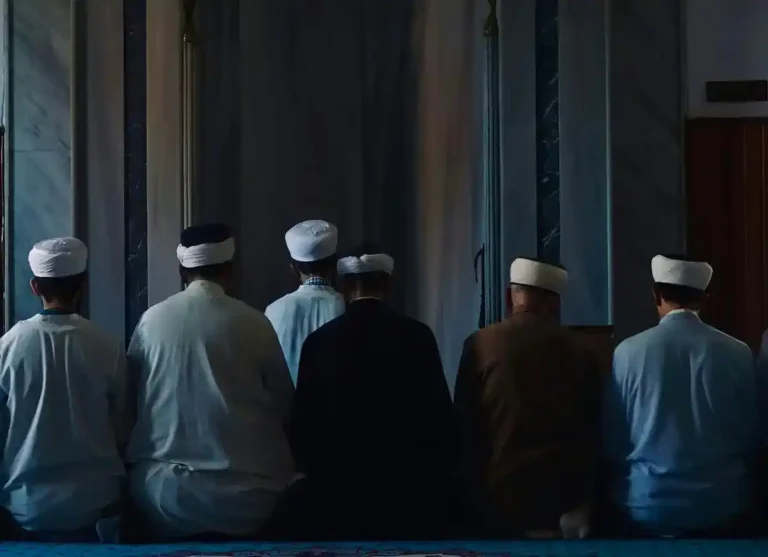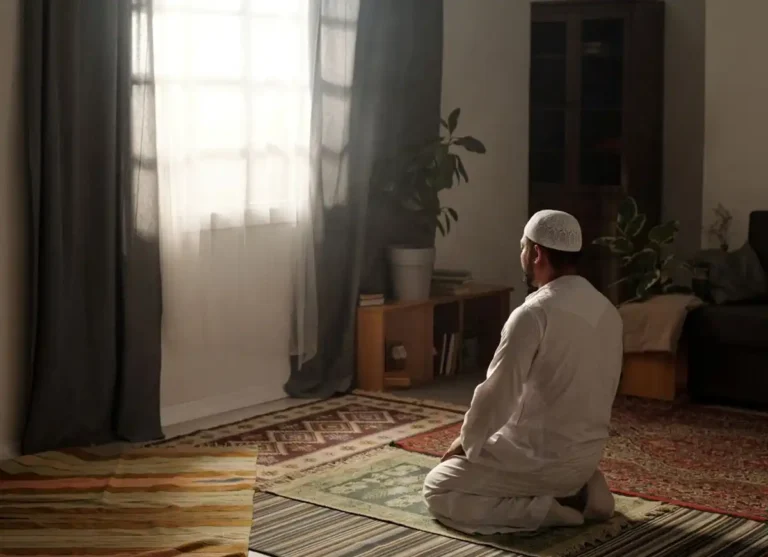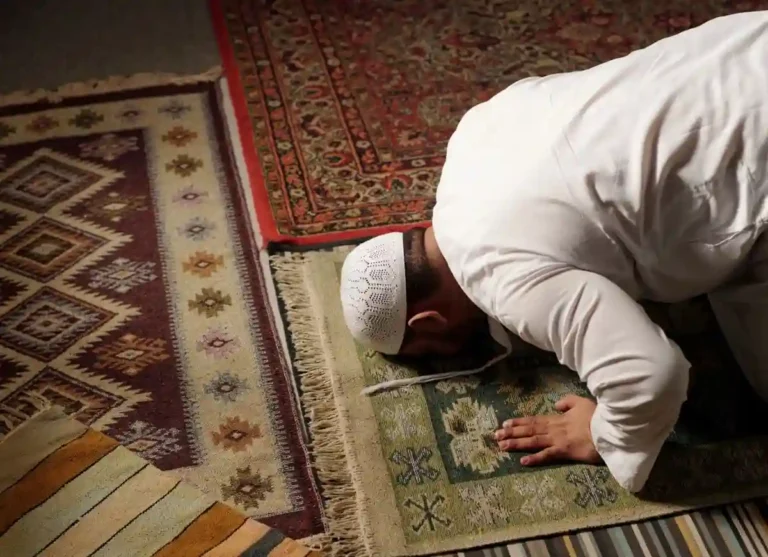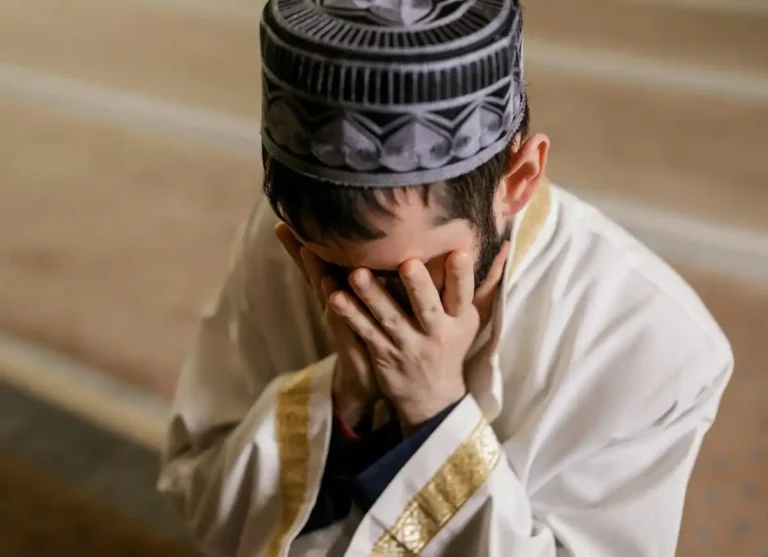


Tahajud often feels like a secret door in a sleeping house—quiet, almost hidden, yet somehow warm enough to pull you in. If you’ve ever promised yourself, “I’ll start tonight,” then watched the hours slip away, you’re not alone. Think of this guide as your simple roadmap—from unsure beginnings to a steady, peaceful habit.
Recommended Amazon books (quick picks):
- The Book of Assistance by Imam al-Haddad
- Fortress of the Muslim (Hisn al-Muslim)
- Riyad as-Salihin – chapters on night prayer and sincerity
- The Sealed Nectar – love grows, worship grows
- Inner Dimensions of Islamic Worship (Al-Ghazali)
What Is Tahajud Really?
Tahajjud is a voluntary night prayer prayed after ‘Isha and before Fajr. Many people aim for the last third of the night because distractions are low and the heart feels more honest. Even two rak‘ahs can be a strong start. For a quick definition, you can also see the overview on Wikipedia’s Tahajjud page.
If you’re learning from scratch, treat it like a “faith startup.” Start small, make it consistent, and don’t quit after one rough night. Your goal is not perfection. Your goal is showing up.
Why It Matters:
Britannica describes Tahajjud as night worship involving Qur’an recitation and prayer, generally considered Sunnah—not an obligation.
That one line removes pressure and replaces it with possibility: you’re choosing closeness, not chasing a checkbox.
And when you’re choosing something freely, it tends to stick longer.
Also Read: Salat | Physical Benefits of Salat Prayer PDF Download

Tahajud Time: When to Pray
The simple answer
- Window: After Isha until Fajr
- Best moment : Last third of the night
A practical way to find the last third
- Note the time between Maghrib and Fajr
- Divide that duration into 3 parts
- The last part is your “sweet spot.”
For timing examples and night-portion breakdown, QuranMualim’s guide is handy: When should I perform Tahajjud during Ramadan?
Quick Table: Timing + Rak‘ahs + What to Do
| Goal | Best time slot | Rak‘ahs to aim for | What to focus on |
| Beginner “I just want to start” | Any time after ‘Isha | 2 | Short surahs + sincere dua |
| Building consistency | Middle of the night | 2–4 | Longer sujood + calm dhikr |
| Best-practice routine | Last third of the night | 4–8 (in pairs) | Qur’an, tears, quiet hope |
| High-energy nights | Last third + before Fajr | 8+ (as able) | Long recitation + deep duas |
Step-by-Step Method (Simple and Clear)
1) Prepare like you’re protecting something valuable
- Sleep early (even a little helps)
- Set a gentle alarm
- Make wudu with calm, not rush
2) Make your intention
Your niat sholat Tahajjud can be simple:
“I intend to pray two rak‘ahs of voluntary night prayer for Allah.”
You don’t need a long speech. You need a clear heart.
3) Pray in sets of two
- Pray 2 rak‘ahs, end with salam
- Repeat if you want: 4, 6, 8…
Two is enough to count as a real beginning. If you can only manage two rak‘ahs of tahajud, start there—your consistency will do the rest.
4) Make dua like you mean it
After prayer (or even in sujood), ask for what truly matters:
- forgiveness
- guidance
- healing
- a clean heart
- a halal path forward
For ready-to-read supplications, see QuranMualim’s dua resources:
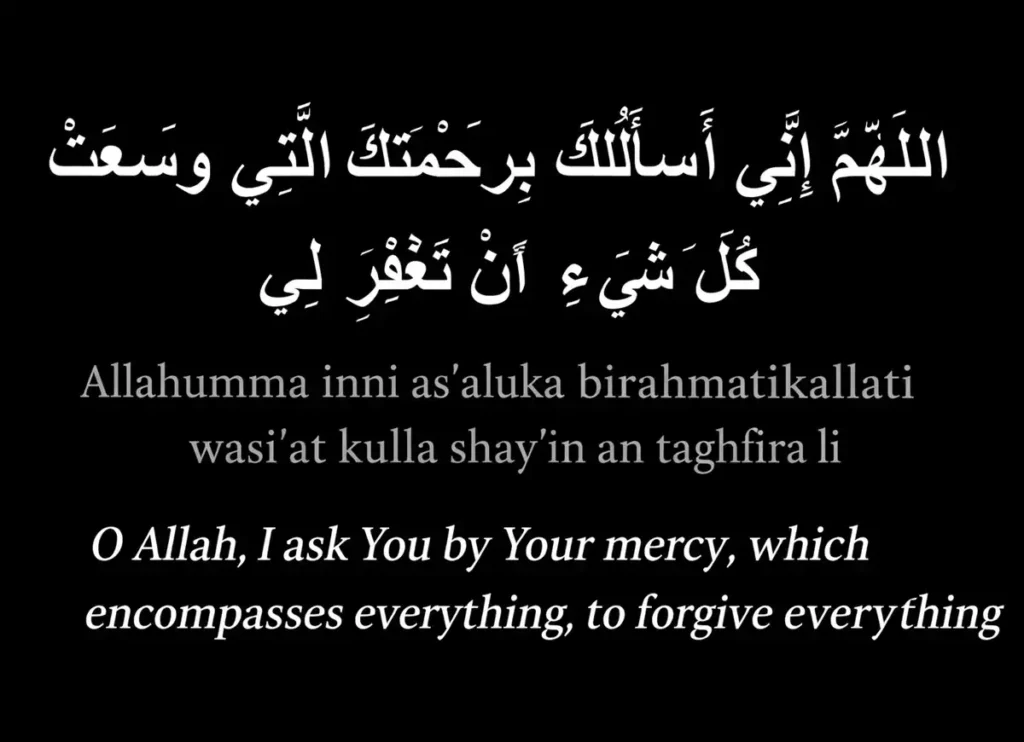
Powerful Quran Verses About Night Prayer
Surah Al-Isra (17:79)
وَمِنَ ٱلَّيۡلِ فَتَهَجَّدۡ بِهِۦ نَافِلَةٗ لَّكَ عَسَىٰٓ أَن يَبۡعَثَكَ رَبُّكَ مَقَامٗا مَّحۡمُودٗا
“And rise at part of the night… so your Lord may raise you to a praised station.”
Surah As-Sajdah: تَتَجَافَىٰ جُنُوبُهُمۡ عَنِ ٱلۡمَضَاجِعِ
English meaning (clear): “They arise from their beds, calling upon their Lord in fear and hope…”
Surah Al-Muzzammil (73:20)
This verse acknowledges the effort of standing at night and gives ease: “Recite what is easy of the Qur’an…”
Hadith about
Sahih al-Bukhari 1145 (Book of Tahajjud)
يَنْزِلُ رَبُّنَا… حِينَ يَبْقَى ثُلُثُ اللَّيْلِ الآخِرُ…
Allah asks who will call on Him, ask of Him, and seek forgiveness—so He may answer and forgive.
Sahih Muslim 1163a- : وَأَفْضَلُ الصَّلاَةِ بَعْدَ الْفَرِيضَةِ صَلاَةُ اللَّيْلِ
English meaning: “The most excellent prayer after what is prescribed is prayer during the night.”
These narrations don’t just “motivate.” They explain why so many people feel their heart soften at night.
Tahajjud Dua: What to Say (Without Overthinking)
Here are simple “safe” dua themes you can use every night:
- Forgiveness: “Ya Allah, forgive what I hide and what I show.”
- Guidance: “Open the right doors, close the wrong ones.”
- Provision: “Give me halal rizq and barakah in it.”
- Healing: “Heal my heart, my body, my home.”
- Protection: “Protect me from sin I don’t see coming.”
If you want structured duas, QuranMualim has dedicated pages you can rotate through:
Benefits: What People Actually Notice
People often expect “miracles.” What they usually get first is something better: clarity.
- A calmer reaction to stress
- Less attachment to people’s approval
- Stronger self-control over habits
- More barakah in time
- A heart that returns faster after mistakes
For a related overview of voluntary prayers and benefits, QuranMualim’s content on Sunnah prayers also touches the night prayer virtue and timing.
Also Read: Namaz Dua (Masnoon Duain) PDF Download

Common Questions (FAQs)
1) Can I pray Tahajjud without sleeping?
Many scholars say it is valid to pray voluntary night prayer even if you didn’t sleep, though sleeping and then waking is the classic practice. QuranMualim discusses this clearly here: Can I pray Tahajjud without sleeping?
2) How many rak‘ahs are there?
Minimum is 2. You can pray more in pairs as you are able. Consistency matters more than a big number.
3) When to pray Tahajjud if I’m exhausted?
Pray earlier in the night. Two rak‘ahs done consistently beat a “perfect plan” that never happens.
4) Should I pray Witr after it?
If you haven’t prayed Witr yet, it’s best to finish your night with Witr. If you already prayed Witr, you can still pray nafl later, but you don’t repeat Witr.
5) What if I don’t know long surahs?
Use short surahs you know well. Read slowly. Meaning matters more than length.
Hanafi Scholar PDF Book Suggestions (Names Only)
If you want deeper Hanafi fiqh reading (often found in PDF form through libraries and study circles), start with these well-known works:
- Al-Hidayah
- Radd al-Muhtar
- Bada’i al-Sana’i
- Al-Mabsut
- Nur al-Idah
A Closing Push (The Habit That Changes the Story)
Here’s the honest truth: the night prayer doesn’t make life perfect. It makes you stronger inside life.
When the world gets noisy, tahajud trains you to return to Allah quietly, consistently, and with dignity. Start with two. Stay with two. And watch how your days begin to change—one night at a time.
And if you want more Islamic learning and structured guides, keep visiting www.quranmualim.com as a helpful Islamic site for prayer, duas, and study resources.
Similar Posts
- Can I Pray Tahajjud Without Sleeping?
- How Do You Pray Tahajjud? (Step-by-Step Guide)
- Virtues and The Benefits of Tahajjud Namaz
- Can You Pray Tahajjud After Witr?
- Best Time to Pray Tahajjud Namaz
- Powerful Dua After Tahajjud Namaz
- How Many Rakats in Tahajjud Namaz?
- Dua for Tahajjud (Powerful Supplication)
- Tahajjud Dua: Prophetic Supplications for Night Prayer
Recommended For You:
- 6 Types of Sunnah Prayers In Islam
- How to Perform Wudu Step by Step?
- How to Perform Fajr Prayer (صلاة الفجر)?
- How to Perform Zuhr Prayer – صَلَاة ٱلظُّهْر?
- How to Perform Asr Prayer- صلاة العصر)?
- How to Perform Maghrib Prayer- صلاة المغرب?
- How to Perform Isha Prayer-صلاة العشاء?