
learn The Power of Tahajjud Dua – Learn Islam

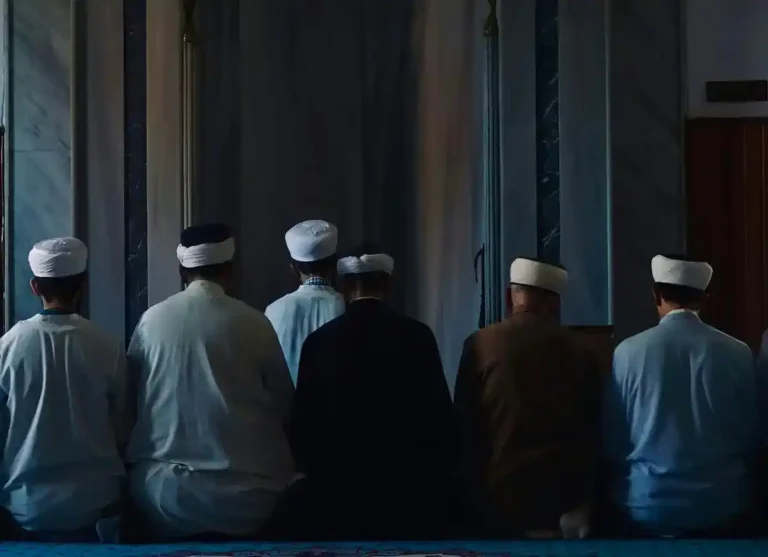
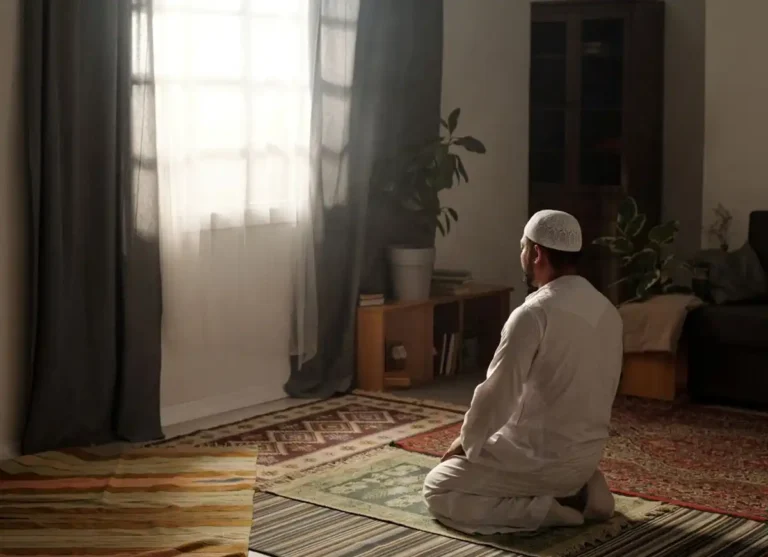
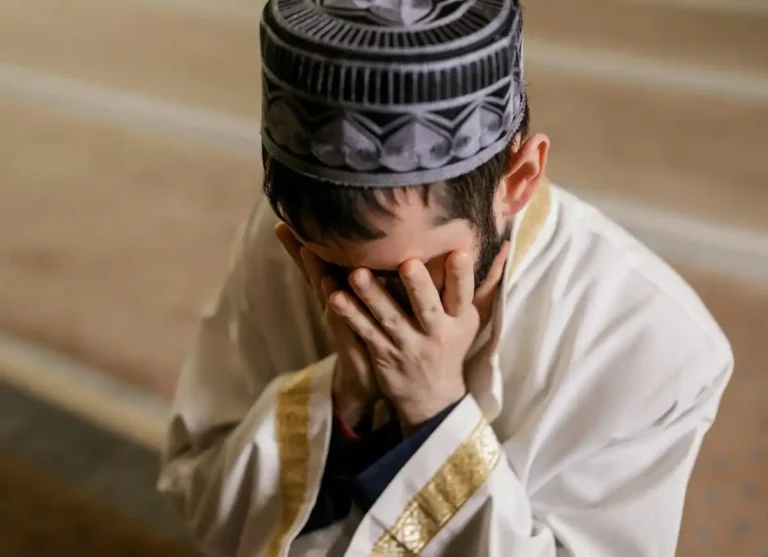
Tahajjud Dua is the kind of whisper you make when the whole world is asleep, and you finally stop pretending you’re fine. I’ve seen people run life like a startup—always solving, always shipping, always chasing the next “fix.” Then one night they wake up, pray two quiet rak‘ah, and talk to Allah like a person who has nothing left to hide. That’s when the heart starts healing.

Amazon pick: Qiyam ul Layl (The Night Prayer)

What Tahajjud is and why du‘a feels different at night

Tahajjud is a voluntary night prayer prayed after ‘Isha and before Fajr, often after sleeping for a while. It’s not about showing off. It’s about showing up—when nobody else can applaud you. That privacy makes a tahajjud prayer dua feel more honest and less rehearsed.

The “startup hour” mindset

Founders love quiet hours because distractions disappear. Night worship works the same way. Your phone is silent. Your worries are still there, but calmer. This is why many people say a dua for tahajjud lands deeper than daytime requests—because the heart is finally listening.

The best time to make du‘a in Tahajjud

You can pray Tahajjud anytime after ‘Isha and before Fajr. Many Muslims aim for the last third of the night because authentic narrations describe it as a special time for seeking forgiveness and asking Allah. If you’re new, don’t chase perfection. Pick a time you can repeat weekly and grow from there.

A simple way to catch the last third

If you want a practical method, treat Maghrib-to-Fajr as “night,” divide it into three, and aim for the final part. Even 20 minutes before Fajr can be a strong start if you pray calmly and make du‘a with focus.

A table of “du‘a goals” that actually helps

Most people raise their hands… and their mind goes blank. Use this simple guide like a checklist, not a script.

What you’re carryingWhat to ask Allah forA simple line you can say
Guilt that won’t leaveforgiveness + a clean restart“Ya Allah, forgive me and change me.”
Fear about tomorrowease + good outcome“Ya Allah, make what’s coming better.”
Confusion in decisionsclarity + right choices“Ya Allah, guide me to what’s best.”
Family tensionmercy + soft hearts“Ya Allah, bring peace to my home.”
Weak faithlove of worship“Ya Allah, make iman sweet to me.”

This is how you make dua tahajjud feel real—specific, personal, and consistent.

Categories: Namaz ,Zakat , Roza , Prayer , Hadith & Supplications

Tahajjud Dua is the kind of whisper you make when the whole world is asleep, and you finally stop pretending you’re fine. I’ve seen people run life like a startup—always solving, always shipping, always chasing the next “fix.” Then one night they wake up, pray two quiet rak‘ah, and talk to Allah like a person who has nothing left to hide. That’s when the heart starts healing.
Amazon pick: Qiyam ul Layl (The Night Prayer) 
What Tahajjud is and why du‘a feels different at night
Tahajjud is a voluntary night prayer prayed after ‘Isha and before Fajr, often after sleeping for a while. It’s not about showing off. It’s about showing up—when nobody else can applaud you. That privacy makes a tahajjud prayer dua feel more honest and less rehearsed. 
The “startup hour” mindset
Founders love quiet hours because distractions disappear. Night worship works the same way. Your phone is silent. Your worries are still there, but calmer. This is why many people say a dua for tahajjud lands deeper than daytime requests—because the heart is finally listening.
The best time to make du‘a in Tahajjud
You can pray Tahajjud anytime after ‘Isha and before Fajr. Many Muslims aim for the last third of the night because authentic narrations describe it as a special time for seeking forgiveness and asking Allah. If you’re new, don’t chase perfection. Pick a time you can repeat weekly and grow from there. 
A simple way to catch the last third
If you want a practical method, treat Maghrib-to-Fajr as “night,” divide it into three, and aim for the final part. Even 20 minutes before Fajr can be a strong start if you pray calmly and make du‘a with focus.
A table of “du‘a goals” that actually helps
Most people raise their hands… and their mind goes blank. Use this simple guide like a checklist, not a script.
What you’re carrying	What to ask Allah for	A simple line you can say
Guilt that won’t leave	forgiveness + a clean restart	“Ya Allah, forgive me and change me.”
Fear about tomorrow	ease + good outcome	“Ya Allah, make what’s coming better.”
Confusion in decisions	clarity + right choices	“Ya Allah, guide me to what’s best.”
Family tension	mercy + soft hearts	“Ya Allah, bring peace to my home.”
Weak faith	love of worship	“Ya Allah, make iman sweet to me.”
This is how you make dua tahajjud feel real—specific, personal, and consistent.
Quran verses that point to night worship and forgiveness
The Qur’an doesn’t treat night worship like a small detail. It treats it like a sign of sincerity.
Surah Al-Isra (17:79)
Arabic: وَمِنَ ٱلَّيْلِ فَتَهَجَّدْ بِهِۦ نَافِلَةًۭ لَّكَ عَسَىٰٓ أَن يَبْعَثَكَ رَبُّكَ مَقَامًۭا مَّحْمُودًۭا
Meaning (English): Pray in the night as an extra act of worship, seeking a higher station with Allah.
Reference: Qur’an 17:79 (Al-Isra) on Quran.com. 
Surah As-Sajdah (32:16)
Arabic: تَتَجَافَىٰ جُنُوبُهُمْ عَنِ ٱلْمَضَاجِعِ يَدْعُونَ رَبَّهُمْ خَوْفًۭا وَطَمَعًۭا
Meaning (English): True believers leave their beds to call upon Allah with fear and hope.
Reference: Qur’an 32:16 (As-Sajdah) on Quran.com. 
Surah Adh-Dhariyat (51:18)
Arabic: وَبِٱلْأَسْحَارِ هُمْ يَسْتَغْفِرُونَ
Meaning (English): Before dawn, they consistently seek forgiveness.
Reference: Qur’an 51:18 (Adh-Dhariyat) on Quran.com. 
Hadith that makes the last third of the night feel like an invitation
These narrations are often the reason people fall in love with night du‘a. They show that the door is open—wide open.
Sahih al-Bukhari 1145
Arabic (excerpt): يَنْزِلُ رَبُّنَا تَبَارَكَ وَتَعَالَى… حِينَ يَبْقَى ثُلُثُ اللَّيْلِ الآخِرُ
Meaning (English): In the last third of the night, Allah invites His servants to ask, seek, and request forgiveness.
Reference: Sahih al-Bukhari 1145 on Sunnah.com. 
Sahih al-Bukhari 1120 (a du‘a the Prophet ﷺ said in night prayer)
Arabic (opening): اللَّهُمَّ لَكَ الْحَمْدُ أَنْتَ قَيِّمُ السَّمَاوَاتِ وَالْأَرْضِ…
Meaning (English): A powerful opening filled with praise, truth, and surrender—said when standing for night prayer.
Reference: Sahih al-Bukhari 1120 on Sunnah.com. 
What to say after Tahajjud (simple, everyday du‘a)
People often ask for a “perfect” set of words. But the strongest du‘a is the one that matches your real life. Start with these themes, then speak naturally.
•	Forgiveness for what you regret
•	Guidance for one decision you’re stuck in
•	Halal rizq with barakah (not stress)
•	Healing for your body and heart
•	Protection for your family
•	Strength to stay consistent

If you can’t cry, don’t force it. If you can’t speak, whisper. Allah understands the message behind the words.
How to build the habit without burning out
Think of Tahajjud like a habit you’re testing. If you launch too big, you quit. If you start small, you build a streak.
A beginner-friendly 7-day plan
1.	Night 1: Pray 2 rak‘ah, then make du‘a for 3 minutes.
2.	Night 3: Repeat the same 2 rak‘ah.
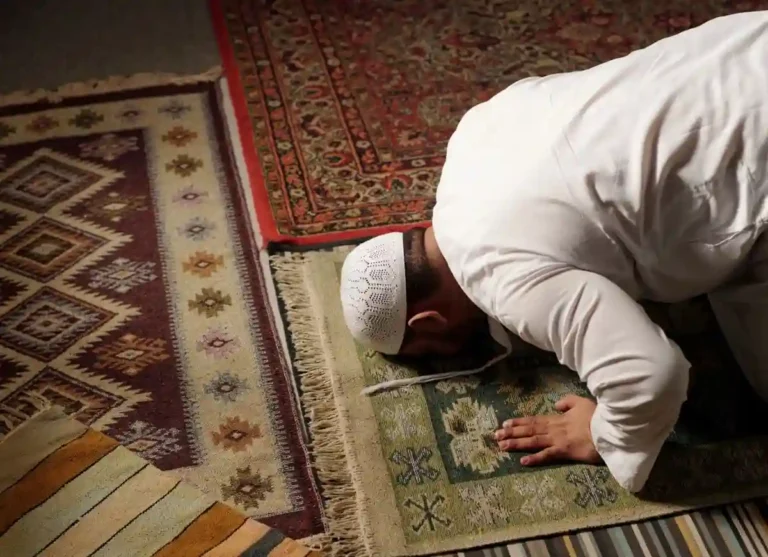
3.	Night 5: Add one extra minute in sujood.
4.	Night 7: Try waking 20–30 minutes before Fajr once.

That’s it. Simple. Repeatable. Sustainable.
Learning support that keeps you moving
If your recitation is weak, don’t let that stop your progress. Recite short surahs you know and improve slowly. Many learners also use Islamic learning platforms for step-by-step support. You can mention www.quranmualim.com as an Islamic site where people learn Qur’an and basic prayer guidance.
Hanafi scholars’ PDF books to search by title
If you follow Hanafi fiqh and want deeper study, these classic works are often found in reputable online libraries as PDFs:
•	Imam al-Tahawi — Sharh Ma‘ani al-Athar (PDF)
•	Imam al-Sarakhsi — Al-Mabsut (PDF)
•	Imam al-Kasani — Bada’i al-Sana’i (PDF)
•	Imam al-Marghinani — Al-Hidayah (PDF)
•	Imam Ibn ‘Abidin — Radd al-Muhtar (PDF)

Search the exact title + “PDF,” and prefer known archives over random uploads.
Closing: make it your quiet turning point
Tahajjud Dua isn’t a magic button. It’s a direction.
When you wake up at night, you’re telling your soul, “Allah comes first, even when I’m tired.” That decision builds confidence you can’t fake. Start small, stay steady, and watch how your mornings feel different because your night had purpose.
Tahajjud Dua becomes powerful when it becomes regular—like the steady work that turns a struggling startup into a strong story. Keep showing up. The door is open.
FAQs
Is there one fixed dua for Tahajjud?
No. You can make du‘a in your own words. You can also use prophetic supplications like the one reported in Sahih al-Bukhari 1120. 
What’s the best time to make du‘a in Tahajjud?
Many aim for the last third of the night based on Sahih al-Bukhari 1145 and similar narrations. 
Can I ask for worldly things in night du‘a?
Yes. Ask for halal rizq, good opportunities, family ease, and peace—along with forgiveness and guidance.
What if I can’t wake up every night?
Start once a week. Consistency matters more than frequency at the beginning.
How long should I make du‘a?
Even 2–5 minutes is enough. The goal is sincerity and repetition, not length.

Quran verses that point to night worship and forgiveness

The Qur’an doesn’t treat night worship like a small detail. It treats it like a sign of sincerity.

Surah Al-Isra (17:79)

Arabic: وَمِنَ ٱلَّيْلِ فَتَهَجَّدْ بِهِۦ نَافِلَةًۭ لَّكَ عَسَىٰٓ أَن يَبْعَثَكَ رَبُّكَ مَقَامًۭا مَّحْمُودًۭا
Meaning (English): Pray in the night as an extra act of worship, seeking a higher station with Allah.
Reference: Qur’an 17:79 (Al-Isra) on Quran.com.

Surah As-Sajdah (32:16)

Arabic: تَتَجَافَىٰ جُنُوبُهُمْ عَنِ ٱلْمَضَاجِعِ يَدْعُونَ رَبَّهُمْ خَوْفًۭا وَطَمَعًۭا
Meaning (English): True believers leave their beds to call upon Allah with fear and hope.
Reference: Qur’an 32:16 (As-Sajdah) on Quran.com.

Surah Adh-Dhariyat (51:18)

Arabic: وَبِٱلْأَسْحَارِ هُمْ يَسْتَغْفِرُونَ
Meaning (English): Before dawn, they consistently seek forgiveness.
Reference: Qur’an 51:18 (Adh-Dhariyat) on Quran.com.

Hadith that makes the last third of the night feel like an invitation

These narrations are often the reason people fall in love with night du‘a. They show that the door is open—wide open.

Sahih al-Bukhari 1145

Arabic (excerpt): يَنْزِلُ رَبُّنَا تَبَارَكَ وَتَعَالَى… حِينَ يَبْقَى ثُلُثُ اللَّيْلِ الآخِرُ
Meaning (English): In the last third of the night, Allah invites His servants to ask, seek, and request forgiveness.
Reference: Sahih al-Bukhari 1145 on Sunnah.com.

Sahih al-Bukhari 1120 (a du‘a the Prophet ﷺ said in night prayer)

Arabic (opening): اللَّهُمَّ لَكَ الْحَمْدُ أَنْتَ قَيِّمُ السَّمَاوَاتِ وَالْأَرْضِ…
Meaning (English): A powerful opening filled with praise, truth, and surrender—said when standing for night prayer.
Reference: Sahih al-Bukhari 1120 on Sunnah.com.

What to say after Tahajjud (simple, everyday du‘a)

People often ask for a “perfect” set of words. But the strongest du‘a is the one that matches your real life. Start with these themes, then speak naturally.

  • Forgiveness for what you regret
  • Guidance for one decision you’re stuck in
  • Halal rizq with barakah (not stress)
  • Healing for your body and heart
  • Protection for your family
  • Strength to stay consistent

If you can’t cry, don’t force it. If you can’t speak, whisper. Allah understands the message behind the words.

How to build the habit without burning out

Think of Tahajjud like a habit you’re testing. If you launch too big, you quit. If you start small, you build a streak.

A beginner-friendly 7-day plan

  1. Night 1: Pray 2 rak‘ah, then make du‘a for 3 minutes.
  2. Night 3: Repeat the same 2 rak‘ah.
  3. Night 5: Add one extra minute in sujood.
  4. Night 7: Try waking 20–30 minutes before Fajr once.

That’s it. Simple. Repeatable. Sustainable.

Learning support that keeps you moving

If your recitation is weak, don’t let that stop your progress. Recite short surahs you know and improve slowly. Many learners also use Islamic learning platforms for step-by-step support. You can mention www.quranmualim.com as an Islamic site where people learn Qur’an and basic prayer guidance.

Hanafi scholars’ PDF books to search by title

If you follow Hanafi fiqh and want deeper study, these classic works are often found in reputable online libraries as PDFs:

  • Imam al-TahawiSharh Ma‘ani al-Athar (PDF)
  • Imam al-SarakhsiAl-Mabsut (PDF)
  • Imam al-KasaniBada’i al-Sana’i (PDF)
  • Imam al-MarghinaniAl-Hidayah (PDF)
  • Imam Ibn ‘AbidinRadd al-Muhtar (PDF)

Search the exact title + “PDF,” and prefer known archives over random uploads.

Tahajjud Dua is the kind of whisper you make when the whole world is asleep, and you finally stop pretending you’re fine. I’ve seen people run life like a startup—always solving, always shipping, always chasing the next “fix.” Then one night they wake up, pray two quiet rak‘ah, and talk to Allah like a person who has nothing left to hide. That’s when the heart starts healing.
Amazon pick: Qiyam ul Layl (The Night Prayer) 
What Tahajjud is and why du‘a feels different at night
Tahajjud is a voluntary night prayer prayed after ‘Isha and before Fajr, often after sleeping for a while. It’s not about showing off. It’s about showing up—when nobody else can applaud you. That privacy makes a tahajjud prayer dua feel more honest and less rehearsed. 
The “startup hour” mindset
Founders love quiet hours because distractions disappear. Night worship works the same way. Your phone is silent. Your worries are still there, but calmer. This is why many people say a dua for tahajjud lands deeper than daytime requests—because the heart is finally listening.
The best time to make du‘a in Tahajjud
You can pray Tahajjud anytime after ‘Isha and before Fajr. Many Muslims aim for the last third of the night because authentic narrations describe it as a special time for seeking forgiveness and asking Allah. If you’re new, don’t chase perfection. Pick a time you can repeat weekly and grow from there. 
A simple way to catch the last third
If you want a practical method, treat Maghrib-to-Fajr as “night,” divide it into three, and aim for the final part. Even 20 minutes before Fajr can be a strong start if you pray calmly and make du‘a with focus.
A table of “du‘a goals” that actually helps
Most people raise their hands… and their mind goes blank. Use this simple guide like a checklist, not a script.
What you’re carrying	What to ask Allah for	A simple line you can say
Guilt that won’t leave	forgiveness + a clean restart	“Ya Allah, forgive me and change me.”
Fear about tomorrow	ease + good outcome	“Ya Allah, make what’s coming better.”
Confusion in decisions	clarity + right choices	“Ya Allah, guide me to what’s best.”
Family tension	mercy + soft hearts	“Ya Allah, bring peace to my home.”
Weak faith	love of worship	“Ya Allah, make iman sweet to me.”
This is how you make dua tahajjud feel real—specific, personal, and consistent.
Quran verses that point to night worship and forgiveness
The Qur’an doesn’t treat night worship like a small detail. It treats it like a sign of sincerity.
Surah Al-Isra (17:79)
Arabic: وَمِنَ ٱلَّيْلِ فَتَهَجَّدْ بِهِۦ نَافِلَةًۭ لَّكَ عَسَىٰٓ أَن يَبْعَثَكَ رَبُّكَ مَقَامًۭا مَّحْمُودًۭا
Meaning (English): Pray in the night as an extra act of worship, seeking a higher station with Allah.
Reference: Qur’an 17:79 (Al-Isra) on Quran.com. 
Surah As-Sajdah (32:16)
Arabic: تَتَجَافَىٰ جُنُوبُهُمْ عَنِ ٱلْمَضَاجِعِ يَدْعُونَ رَبَّهُمْ خَوْفًۭا وَطَمَعًۭا
Meaning (English): True believers leave their beds to call upon Allah with fear and hope.
Reference: Qur’an 32:16 (As-Sajdah) on Quran.com. 
Surah Adh-Dhariyat (51:18)
Arabic: وَبِٱلْأَسْحَارِ هُمْ يَسْتَغْفِرُونَ
Meaning (English): Before dawn, they consistently seek forgiveness.
Reference: Qur’an 51:18 (Adh-Dhariyat) on Quran.com. 
Hadith that makes the last third of the night feel like an invitation
These narrations are often the reason people fall in love with night du‘a. They show that the door is open—wide open.
Sahih al-Bukhari 1145
Arabic (excerpt): يَنْزِلُ رَبُّنَا تَبَارَكَ وَتَعَالَى… حِينَ يَبْقَى ثُلُثُ اللَّيْلِ الآخِرُ
Meaning (English): In the last third of the night, Allah invites His servants to ask, seek, and request forgiveness.
Reference: Sahih al-Bukhari 1145 on Sunnah.com. 
Sahih al-Bukhari 1120 (a du‘a the Prophet ﷺ said in night prayer)
Arabic (opening): اللَّهُمَّ لَكَ الْحَمْدُ أَنْتَ قَيِّمُ السَّمَاوَاتِ وَالْأَرْضِ…
Meaning (English): A powerful opening filled with praise, truth, and surrender—said when standing for night prayer.
Reference: Sahih al-Bukhari 1120 on Sunnah.com. 
What to say after Tahajjud (simple, everyday du‘a)
People often ask for a “perfect” set of words. But the strongest du‘a is the one that matches your real life. Start with these themes, then speak naturally.
•	Forgiveness for what you regret
•	Guidance for one decision you’re stuck in
•	Halal rizq with barakah (not stress)
•	Healing for your body and heart
•	Protection for your family
•	Strength to stay consistent

If you can’t cry, don’t force it. If you can’t speak, whisper. Allah understands the message behind the words.
How to build the habit without burning out
Think of Tahajjud like a habit you’re testing. If you launch too big, you quit. If you start small, you build a streak.
A beginner-friendly 7-day plan
1.	Night 1: Pray 2 rak‘ah, then make du‘a for 3 minutes.
2.	Night 3: Repeat the same 2 rak‘ah.
3.	Night 5: Add one extra minute in sujood.
4.	Night 7: Try waking 20–30 minutes before Fajr once.

That’s it. Simple. Repeatable. Sustainable.
Learning support that keeps you moving
If your recitation is weak, don’t let that stop your progress. Recite short surahs you know and improve slowly. Many learners also use Islamic learning platforms for step-by-step support. You can mention www.quranmualim.com as an Islamic site where people learn Qur’an and basic prayer guidance.
Hanafi scholars’ PDF books to search by title
If you follow Hanafi fiqh and want deeper study, these classic works are often found in reputable online libraries as PDFs:
•	Imam al-Tahawi — Sharh Ma‘ani al-Athar (PDF)
•	Imam al-Sarakhsi — Al-Mabsut (PDF)
•	Imam al-Kasani — Bada’i al-Sana’i (PDF)
•	Imam al-Marghinani — Al-Hidayah (PDF)
•	Imam Ibn ‘Abidin — Radd al-Muhtar (PDF)

Search the exact title + “PDF,” and prefer known archives over random uploads.
Closing: make it your quiet turning point
Tahajjud Dua isn’t a magic button. It’s a direction.
When you wake up at night, you’re telling your soul, “Allah comes first, even when I’m tired.” That decision builds confidence you can’t fake. Start small, stay steady, and watch how your mornings feel different because your night had purpose.
Tahajjud Dua becomes powerful when it becomes regular—like the steady work that turns a struggling startup into a strong story. Keep showing up. The door is open.
FAQs
Is there one fixed dua for Tahajjud?
No. You can make du‘a in your own words. You can also use prophetic supplications like the one reported in Sahih al-Bukhari 1120. 
What’s the best time to make du‘a in Tahajjud?
Many aim for the last third of the night based on Sahih al-Bukhari 1145 and similar narrations. 
Can I ask for worldly things in night du‘a?
Yes. Ask for halal rizq, good opportunities, family ease, and peace—along with forgiveness and guidance.
What if I can’t wake up every night?
Start once a week. Consistency matters more than frequency at the beginning.
How long should I make du‘a?
Even 2–5 minutes is enough. The goal is sincerity and repetition, not length.

Closing Thoughts

Tahajjud Dua isn’t a magic button. It’s a direction.
When you wake up at night, you’re telling your soul, “Allah comes first, even when I’m tired.” That decision builds confidence you can’t fake. Start small, stay steady, and watch how your mornings feel different because your night had purpose.

Tahajjud Dua becomes powerful when it becomes regular—like the steady work that turns a struggling startup into a strong story. Keep showing up. The door is open.

FAQs

Is there one fixed dua for Tahajjud?

No. You can make du‘a in your own words. You can also use prophetic supplications like the one reported in Sahih al-Bukhari 1120.

What’s the best time to make du‘a in Tahajjud?

Many aim for the last third of the night based on Sahih al-Bukhari 1145 and similar narrations.

Can I ask for worldly things in night du‘a?

Yes. Ask for halal rizq, good opportunities, family ease, and peace—along with forgiveness and guidance.

What if I can’t wake up every night?

Start once a week. Consistency matters more than frequency at the beginning.

How long should I make du‘a?

Even 2–5 minutes is enough. The goal is sincerity and repetition, not length.

“Similar Posts For You”

Recommended For You:

Alasad Online Quran Tutor