

Namaz table rakat is one of the most searched topics because many Muslims know the five daily prayers but still get confused about how many rak‘ahs belong to Fajr, Zuhr, Asr, Maghrib, and Isha. The easiest solution is simple: learn one clean table for each prayer, understand which rak‘ahs are fard and sunnah, and then build a steady daily routine. For background, see Wikipedia’s overview of salah.
A simple beginner-friendly resource is The Beginner’s Book of Salah.
Prayer in Islam is performed at fixed times during the day and night, and the Qur’an points to these daily prayer times. Britannica gives a broad overview of Islamic prayer, while IslamQA’s prayer resources are often useful for practical questions. Many people also ask these same questions in learning spaces like islamicteachings.org/forum when they want a quick reminder.
For this article, the rak‘ah layout follows a common Hanafi chart: Fajr has 2 sunnah and 2 fard; Zuhr has 4 sunnah, 4 fard, 2 sunnah, and 2 nafl; Asr has 4 sunnah and 4 fard; Maghrib has 3 fard and 2 sunnah; Isha has 4 sunnah, 4 fard, 2 sunnah, 2 nafl, 3 witr, and 2 nafl.
Why Knowing Rak‘ahs Matters
A clear table of namaz rakat helps remove hesitation before prayer. When a person knows what comes first and what is essential, prayer becomes calmer and more focused. This matters even more for children, beginners, and anyone trying to rebuild consistency after a long break.
Main benefits of learning the prayer rak‘ahs
- It reduces confusion at prayer time
- It helps you protect the fard first
- It makes mosque prayer easier to follow
- It strengthens daily discipline
- It supports correct learning of Namaz
Qur’an Verses About Establishing Prayer
Transliteration: Fa‘budni wa aqimis-salata li dhikri
Short meaning: Worship Me, and establish prayer for My remembrance.
This verse explains the heart of prayer very simply. Salah is not only movement. It is remembrance, worship, and daily connection with Allah.
Transliteration: Wa aqimis-salata tarafayin-nahari wa zulafam-minal-layl
Short meaning: Establish prayer at the two ends of the day and in the early parts of the night.
This verse points to the spread of prayer across the day. That is why the five daily prayers are not random. They shape a Muslim’s whole routine from dawn to night.
Categories: Namaz ,Zakat , Roza , Prayer , Hadith & Supplications

Separate Tables for the 5 Daily Prayers
Below is the practical table namaz rakat that many Hanafi learners use.
Fajr Prayer Table
| Part of Fajr | Rak‘ahs | Type |
| Before fard | 2 | Sunnah Mu’akkadah |
| Main prayer | 2 | Fard |
Fajr is the shortest of the five daily prayers in rak‘ah count, but its sunnah is highly emphasized and its fard is one of the most important daily obligations.
Also Read: Dua After Praying – Do This For Rizq, Mercy & Blessings!
Zuhr Prayer Table
| Part of Zuhr | Rak‘ahs | Type |
| Before fard | 4 | Sunnah Mu’akkadah |
| Main prayer | 4 | Fard |
| After fard | 2 | Sunnah Mu’akkadah |
| After that | 2 | Nafl |
Zuhr has one of the fuller daily prayer structures. For many people, learning Zuhr properly makes the rest of the daily rak‘ah pattern much easier to remember.
Also Read: Meaning and Translation of Allahu Alam (الله اعلم )
Asr Prayer Table
| Part of Asr | Rak‘ahs | Type |
| Before fard | 4 | Sunnah Ghayr Mu’akkadah |
| Main prayer | 4 | Fard |
Asr is simpler in layout than Zuhr. The key point is to protect the 4 fard within their proper time and not let the afternoon rush cause delay.
Maghrib Prayer Table
| Part of Maghrib | Rak‘ahs | Type |
| Main prayer | 3 | Fard |
| After fard | 2 | Sunnah Mu’akkadah |
Maghrib stands out because its fard is three rak‘ahs, not two or four. That is one reason many learners like to keep a small chart for quick review.
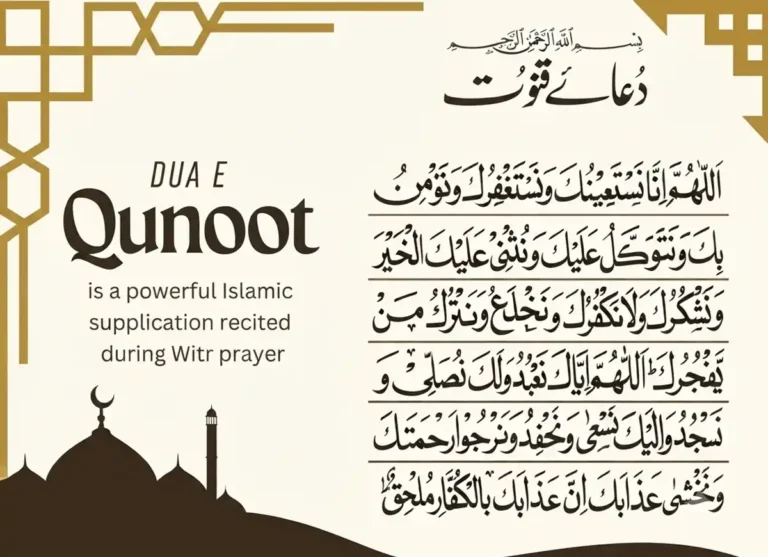
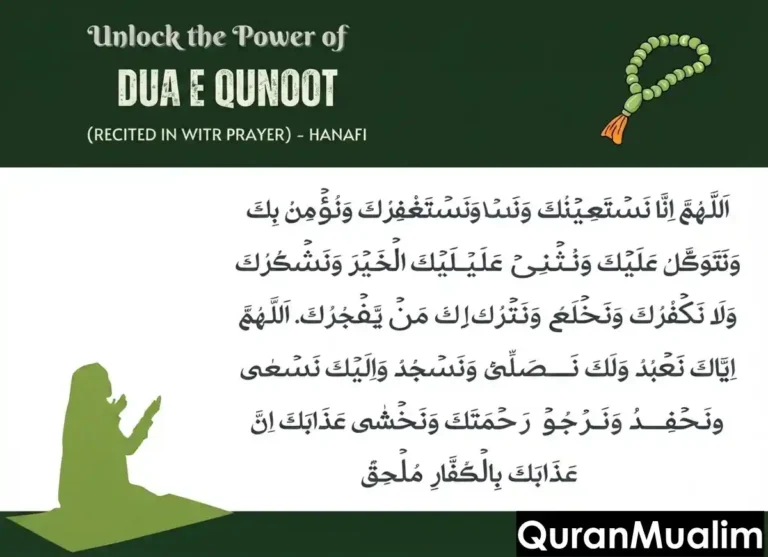
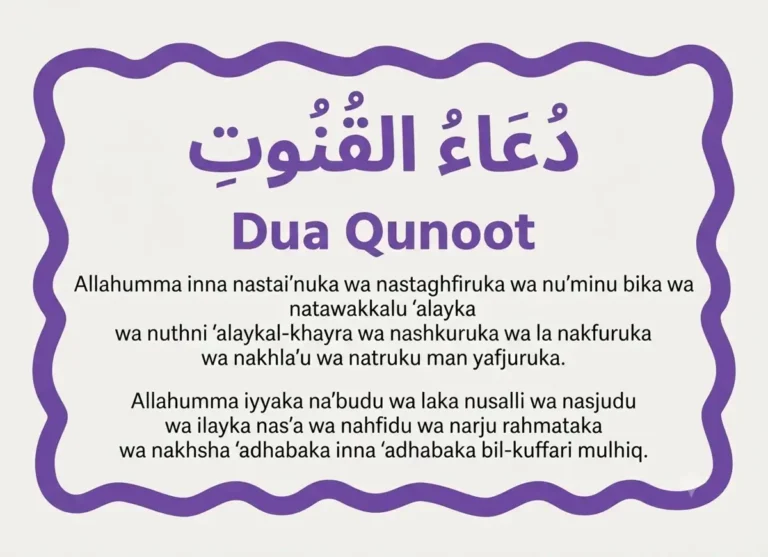
Also Read: Learn Dua Qunoot in Arabic Text PDF Download
Isha Prayer Table
| Part of Isha | Rak‘ahs | Type |
| Before fard | 4 | Sunnah Ghayr Mu’akkadah |
| Main prayer | 4 | Fard |
| After fard | 2 | Sunnah Mu’akkadah |
| After that | 2 | Nafl |
| Witr | 3 | Wajib |
| After Witr | 2 | Nafl |
Isha has the longest common daily pattern in Hanafi practice because it includes Witr after the fard and sunnah units. This makes it especially useful to learn from a table rather than memory alone.
One Quick Combined Summary
| Prayer | Main fard rak‘ahs | Common Hanafi full pattern |
| Fajr | 2 | 2 sunnah + 2 fard |
| Zuhr | 4 | 4 sunnah + 4 fard + 2 sunnah + 2 nafl |
| Asr | 4 | 4 sunnah + 4 fard |
| Maghrib | 3 | 3 fard + 2 sunnah |
| Isha | 4 | 4 sunnah + 4 fard + 2 sunnah + 2 nafl + 3 witr + 2 nafl |
This summary helps when someone only wants a fast answer before prayer time. But the separate tables above are better for actual learning and daily use.
Also Read: Most Powerful Dua For Instant Miracle
Hadith References About the Five Daily Prayers
The Prophet ﷺ said Islam is based on five, including establishing the prayer. This shows that salah is one of the core foundations of Islam, not a small optional matter.
Link: Read the Sunnah.com narration on Islam being built on five
The Prophet ﷺ said the five daily prayers, from one Friday to the next, and from Ramadan to Ramadan, expiate sins in between when major sins are avoided.
Link: See the Sunnah.com narration on the reward of the five daily prayers
Together, these narrations show both duty and mercy. Prayer is an obligation, but it is also one of the greatest daily means of purification and forgiveness.
Helpful Tips for Memorizing the Rak‘ah Tables
- Learn the fard rak‘ahs first
- Keep Fajr and Maghrib separate in your memory
- Remember that Zuhr is the fuller daytime prayer
- Treat Isha as the prayer that includes Witr
- Save a chart on your phone for daily review
Hanafi Fiqh Books for Further Study
- Nur al-Idah
- Maraqi al-Falah
- Tanwir al-Absar
- Radd al-Muhtar

FAQs
How many rak‘ahs are in the five daily prayers?
The main fard counts are 2 for Fajr, 4 for Zuhr, 4 for Asr, 3 for Maghrib, and 4 for Isha.
Is Witr included in Isha?
Yes. In Hanafi practice, Witr is prayed after Isha and is counted separately as 3 wajib rak‘ahs.
Which prayer has the most total rak‘ahs?
Isha usually has the longest common daily pattern in Hanafi practice because it includes sunnah, nafl, and Witr.
Do I need to pray all sunnah and nafl every time?
Protect the fard first. Then build consistency in sunnah and nafl according to your ability and routine.
What is the easiest way to learn rak‘ahs?
Use separate tables for each prayer, repeat them daily, and focus on one prayer at a time until it becomes natural.
Conclusion
Once you understand the structure, namaz table rakat becomes much easier to remember and use. Start with the fard, learn the five separate prayer tables, and then strengthen your sunnah routine step by step. With a clear chart and regular practice, daily prayer stops feeling confusing and starts feeling steady, organized, and peaceful.
Recommended For You:
- How Many Rakats For Fajr Prayer?
- How Many Rakats For Zuhr Prayer?
- How Many Rakats For Asr Prayer?
- How Many Rakats For Maghrib Prayer?
- How Many Rakats For Isha Prayer?
- What Time is The Jummah Prayer?
- 6 Types of Sunnah Prayers In Islam
- How to Perform Salah (Complete Namaz)
- How To Pray Witr Namaz? Step by Step Guide
- How To Read Asr Namaz? Step by Step Guide
- What is The Sitting Between in Khutbah Called?
- Salat | Physical Benefits of Salat Prayer PDF Download
- Namaz is the Pillar of Islam – Why Ignore Its Importance?
- Dua For Namaz: Simple Words That Steady The Heart, rayer