
Surah Tur is one of those chapters people read quickly but rarely study deeply, and that’s a real problem for many Muslims today. They recite it in prayer, feel its rhythm, yet miss the powerful warnings and promises hidden inside its verses. The Quran itself is a mercy, and understanding Surah Tur properly changes how you see the Day of Judgment and Allah’s promise to the believers.
Before we go further, if you want a trusted print resource to keep beside you while studying, this Quran translation and commentary set on Amazon is a solid starting point for home study.
What Is Surah Al Tur?
Surah al Tur is the 52nd chapter of the Quran, revealed in Makkah during a period of intense pressure on early Muslims. It takes its name from “Mount Tur,” the mountain where Allah spoke to Prophet Musa. The chapter has 49 verses total.
Why This Surah Matters So Much
Many scholars point out that Surah Tur shaped the hearts of early Makkans in a unique way. There’s a famous account of a non-Muslim leader hearing it recited near the Kaaba and feeling shaken to his core, even before accepting faith. That’s the kind of impact these verses carry.
The surah moves between three big themes:
- The certainty of the Day of Judgment
- The rewards waiting for the righteous in Paradise
- The mocking arguments of disbelievers, and their answers
Reading it with reflection, not just recitation, is where the real benefit shows up.
Also Read: The Holy Quran PDF Free Downloads
Also Read: Root word of Quran
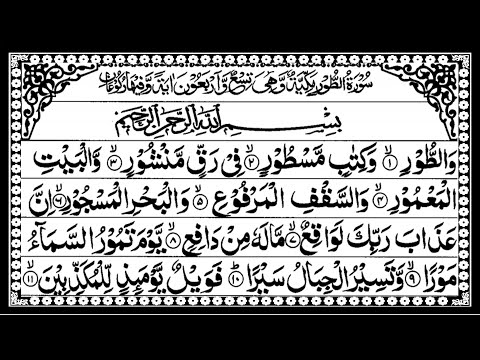
Surah At-Tur (الطور) — “The Mount”
Chapter 52 of the Qur’an • Meccan • 49 verses
| # | Arabic | Transliteration | English Translation |
| 1 | وَٱلطُّورِ | Waalttoori | By the mount |
| 2 | وَكِتَٰبٖ مَّسۡطُورٖ | Wakitabin mastoorin | And [by] a Book inscribed |
| 3 | فِي رَقّٖ مَّنشُورٖ | Fee raqqin manshoorin | In parchment spread open |
| 4 | وَٱلۡبَيۡتِ ٱلۡمَعۡمُورِ | Waalbayti almaAAmoori | And [by] the frequented House |
| 5 | وَٱلسَّقۡفِ ٱلۡمَرۡفُوعِ | Waalssaqfi almarfooAAi | And [by] the heaven raised high |
| 6 | وَٱلۡبَحۡرِ ٱلۡمَسۡجُورِ | Waalbahri almasjoori | And [by] the sea filled [with fire] |
| 7 | إِنَّ عَذَابَ رَبِّكَ لَوَٰقِعٞ | Inna AAathaba rabbika lawaqiAAun | Indeed, the punishment of your Lord will occur |
| 8 | مَّا لَهُۥ مِن دَافِعٖ | Ma lahu min dafiAAin | Of it there is no preventer |
| 9 | يَوۡمَ تَمُورُ ٱلسَّمَآءُ مَوۡرٗا | Yawma tamooru alssamao mawran | On the Day the heaven will sway with circular motion |
| 10 | وَتَسِيرُ ٱلۡجِبَالُ سَيۡرٗا | Wataseeru aljibalu sayran | And the mountains will pass on, departing |
| 11 | فَوَيۡلٞ يَوۡمَئِذٖ لِّلۡمُكَذِّبِينَ | Fawaylun yawmaithin lilmukaththibeena | Then woe, that Day, to the deniers |
| 12 | ٱلَّذِينَ هُمۡ فِي خَوۡضٖ يَلۡعَبُونَ | Allatheena hum fee khawdin yalAAaboona | Who are in [empty] discourse amusing themselves |
| 13 | يَوۡمَ يُدَعُّونَ إِلَىٰ نَارِ جَهَنَّمَ دَعًّا | Yawma yudaAAAAoona ila nari jahannama daAAAAan | The Day they are thrust toward the fire of Hell with a [violent] thrust, [its angels will say] |
| 14 | هَٰذِهِ ٱلنَّارُ ٱلَّتِي كُنتُم بِهَا تُكَذِّبُونَ | Hathihi alnnaru allatee kuntum biha tukaththiboona | This is the Fire which you used to deny |
| 15 | أَفَسِحۡرٌ هَٰذَآ أَمۡ أَنتُمۡ لَا تُبۡصِرُونَ | Afasihrun hatha am antum la tubsiroona | Then is this magic, or do you not see |
| 16 | ٱصۡلَوۡهَا فَٱصۡبِرُوٓاْ أَوۡ لَا تَصۡبِرُواْ سَوَآءٌ عَلَيۡكُمۡۖ إِنَّمَا تُجۡزَوۡنَ مَا كُنتُمۡ تَعۡمَلُونَ | Islawha faisbiroo aw la tasbiroo sawaon AAalaykum innama tujzawna ma kuntum taAAmaloona | [Enter to] burn therein; then be patient or impatient — it is all the same for you. You are only being recompensed [for] what you used to do |
| 17 | إِنَّ ٱلۡمُتَّقِينَ فِي جَنَّـٰتٖ وَنَعِيمٖ | Inna almuttaqeena fee jannatin wanaAAeemin | Indeed, the righteous will be in gardens and pleasure |
| 18 | فَٰكِهِينَ بِمَآ ءَاتَىٰهُمۡ رَبُّهُمۡ وَوَقَىٰهُمۡ رَبُّهُمۡ عَذَابَ ٱلۡجَحِيمِ | Fakiheena bima atahum rabbuhum wawaqahum rabbuhum AAathaba aljaheemi | Enjoying what their Lord has given them, and their Lord protected them from the punishment of Hellfire |
| 19 | كُلُواْ وَٱشۡرَبُواْ هَنِيٓـَٔۢا بِمَا كُنتُمۡ تَعۡمَلُونَ | Kuloo waishraboo haneean bima kuntum taAAmaloona | [They will be told], “Eat and drink in satisfaction for what you used to do” |
| 20 | مُتَّكِـِٔينَ عَلَىٰ سُرُرٖ مَّصۡفُوفَةٖۖ وَزَوَّجۡنَٰهُم بِحُورٍ عِينٖ | Muttakieena AAala sururin masfoofatin wazawwajnahum bihoorin AAeenin | They will be reclining on thrones lined up, and We will marry them to fair women with large, [beautiful] eyes |
| 21 | وَٱلَّذِينَ ءَامَنُواْ وَٱتَّبَعَتۡهُمۡ ذُرِّيَّتُهُم بِإِيمَٰنٍ أَلۡحَقۡنَا بِهِمۡ ذُرِّيَّتَهُمۡ وَمَآ أَلَتۡنَٰهُم مِّنۡ عَمَلِهِم مِّن شَيۡءٖۚ كُلُّ ٱمۡرِيِٕۭ بِمَا كَسَبَ رَهِينٞ | Waallatheena amanoo waittabaAAathum thurriyyatuhum bieemanin alhaqna bihim thurriyyatahum wama alatnahum min AAamalihim min shayin kullu imriin bima kasaba raheenun | And those who believed and whose descendants followed them in faith — We will join with them their descendants, and We will not deprive them of anything of their deeds. Every person, for what he earned, is retained |
| 22 | وَأَمۡدَدۡنَٰهُم بِفَٰكِهَةٖ وَلَحۡمٖ مِّمَّا يَشۡتَهُونَ | Waamdadnahum bifakihatin walahmin mimma yashtahoona | And We will provide them with fruit and meat from whatever they desire |
| 23 | يَتَنَٰزَعُونَ فِيهَا كَأۡسٗا لَّا لَغۡوٞ فِيهَا وَلَا تَأۡثِيمٞ | YatanazaAAoona feeha kasan la laghwun feeha wala tatheemun | They will exchange with one another a cup [of wine] wherein [results] no ill speech or commission of sin |
| 24 | وَيَطُوفُ عَلَيۡهِمۡ غِلۡمَانٞ لَّهُمۡ كَأَنَّهُمۡ لُؤۡلُؤٞ مَّكۡنُونٞ | Wayatoofu AAalayhim ghilmanun lahum kaannahum luluon maknoonun | There will circulate among them [servant] boys [especially] for them, as if they were pearls well-protected |
| 25 | وَأَقۡبَلَ بَعۡضُهُمۡ عَلَىٰ بَعۡضٖ يَتَسَآءَلُونَ | Waaqbala baAAduhum AAala baAAdin yatasaaloona | And they will approach one another, inquiring of each other |
| 26 | قَالُوٓاْ إِنَّا كُنَّا قَبۡلُ فِيٓ أَهۡلِنَا مُشۡفِقِينَ | Qaloo inna kunna qablu fee ahlina mushfiqeena | They will say, “Indeed, we were previously among our people fearful [of displeasing Allah]” |
| 27 | فَمَنَّ ٱللَّهُ عَلَيۡنَا وَوَقَىٰنَا عَذَابَ ٱلسَّمُومِ | Famanna Allahu AAalayna wawaqana AAathaba alssamoomi | So Allah conferred favor upon us and protected us from the punishment of the Scorching Fire |
| 28 | إِنَّا كُنَّا مِن قَبۡلُ نَدۡعُوهُۖ إِنَّهُۥ هُوَ ٱلۡبَرُّ ٱلرَّحِيمُ | Inna kunna min qablu nadAAoohu innahu huwa albarru alrraheemu | Indeed, we used to supplicate Him before. Indeed, it is He who is the Beneficent, the Merciful |
| 29 | فَذَكِّرۡ فَمَآ أَنتَ بِنِعۡمَتِ رَبِّكَ بِكَاهِنٖ وَلَا مَجۡنُونٍ | Fathakkir fama anta biniAAmati rabbika bikahin wala majnoonin | So remind, [O Muhammad], for you are not, by the favor of your Lord, a soothsayer or a madman |
| 30 | أَمۡ يَقُولُونَ شَاعِرٞ نَّتَرَبَّصُ بِهِۦ رَيۡبَ ٱلۡمَنُونِ | Am yaqooloona shaAAirun natarabbasu bihi rayba almanooni | Or do they say, “A poet for whom we await a misfortune of time” |
| 31 | قُلۡ تَرَبَّصُواْ فَإِنِّي مَعَكُم مِّنَ ٱلۡمُتَرَبِّصِينَ | Qul tarabbasoo fainnee maAAakum mina almutarabbiseena | Say, “Wait, for indeed I am, with you, among the waiters” |
| 32 | أَمۡ تَأۡمُرُهُمۡ أَحۡلَٰمُهُم بِهَٰذَآۚ أَمۡ هُمۡ قَوۡمٞ طَاغُونَ | Am tamuruhum ahlamuhum bihatha am hum qawmun taghoona | Or do their minds command them to [say] this, or are they a transgressing people |
| 33 | أَمۡ يَقُولُونَ تَقَوَّلَهُۥۚ بَل لَّا يُؤۡمِنُونَ | Am yaqooloona taqawwalahu bal la yuminoona | Or do they say, “He has made it up”? Rather, they do not believe |
| 34 | فَلۡيَأۡتُواْ بِحَدِيثٖ مِّثۡلِهِۦٓ إِن كَانُواْ صَٰدِقِينَ | Falyatoo bihadeethin mithlihi in kanoo sadiqeena | Then let them produce a statement like it, if they should be truthful |
| 35 | أَمۡ خُلِقُواْ مِنۡ غَيۡرِ شَيۡءٍ أَمۡ هُمُ ٱلۡخَٰلِقُونَ | Am khuliqoo min ghayri shayin am humu alkhaliqoona | Or were they created by nothing, or were they the creators [of themselves] |
| 36 | أَمۡ خَلَقُواْ ٱلسَّمَٰوَٰتِ وَٱلۡأَرۡضَۚ بَل لَّا يُوقِنُونَ | Am khalaqoo alssamawati waalarda bal la yooqinoona | Or did they create the heavens and the earth? Rather, they are not certain |
| 37 | أَمۡ عِندَهُمۡ خَزَآئِنُ رَبِّكَ أَمۡ هُمُ ٱلۡمُصَۜيۡطِرُونَ | Am AAindahum khazainu rabbika am humu almusaytiroona | Or have they the depositories [containing the provision] of your Lord? Or are they the controllers [of them] |
| 38 | أَمۡ لَهُمۡ سُلَّمٞ يَسۡتَمِعُونَ فِيهِۖ فَلۡيَأۡتِ مُسۡتَمِعُهُم بِسُلۡطَٰنٖ مُّبِينٍ | Am lahum sullamun yastamiAAoona feehi falyati mustamiAAuhum bisultanin mubeenin | Or have they a stairway [into the heaven] upon which they listen? Then let their listener produce a clear authority |
| 39 | أَمۡ لَهُ ٱلۡبَنَٰتُ وَلَكُمُ ٱلۡبَنُونَ | Am lahu albanatu walakumu albanoona | Or has He daughters while you have sons |
| 40 | أَمۡ تَسۡـَٔلُهُمۡ أَجۡرٗا فَهُم مِّن مَّغۡرَمٖ مُّثۡقَلُونَ | Am tasaluhum ajran fahum min maghramin muthqaloona | Or do you, [O Muhammad], ask of them a payment, so they are by debt burdened down |
| 41 | أَمۡ عِندَهُمُ ٱلۡغَيۡبُ فَهُمۡ يَكۡتُبُونَ | Am AAindahumu alghaybu fahum yaktuboona | Or have they [knowledge of] the unseen, so they write [it] down |
| 42 | أَمۡ يُرِيدُونَ كَيۡدٗاۖ فَٱلَّذِينَ كَفَرُواْ هُمُ ٱلۡمَكِيدُونَ | Am yureedoona kaydan faallatheena kafaroo humu almakeedoona | Or do they intend a plan? But those who disbelieve — they are the object of a plan |
| 43 | أَمۡ لَهُمۡ إِلَٰهٌ غَيۡرُ ٱللَّهِۚ سُبۡحَٰنَ ٱللَّهِ عَمَّا يُشۡرِكُونَ | Am lahum ilahun ghayru Allahi subhana Allahi AAamma yushrikoona | Or have they a deity other than Allah? Exalted is Allah above whatever they associate with Him |
| 44 | وَإِن يَرَوۡاْ كِسۡفٗا مِّنَ ٱلسَّمَآءِ سَاقِطٗا يَقُولُواْ سَحَابٞ مَّرۡكُومٞ | Wain yaraw kisfan mina alssamai saqitan yaqooloo sahabun markoomun | And if they were to see a fragment from the sky falling, they would say, “[It is merely] clouds heaped up” |
| 45 | فَذَرۡهُمۡ حَتَّىٰ يُلَٰقُواْ يَوۡمَهُمُ ٱلَّذِي فِيهِ يُصۡعَقُونَ | Fatharhum hatta yulaqoo yawmahumu allathee feehi yusAAaqoona | So leave them until they meet their Day in which they will be struck insensible |
| 46 | يَوۡمَ لَا يُغۡنِي عَنۡهُمۡ كَيۡدُهُمۡ شَيۡـٔٗا وَلَا هُمۡ يُنصَرُونَ | Yawma la yughnee AAanhum kayduhum shayan wala hum yunsaroona | The Day their plan will not avail them at all, nor will they be helped |
| 47 | وَإِنَّ لِلَّذِينَ ظَلَمُواْ عَذَابٗا دُونَ ذَٰلِكَ وَلَٰكِنَّ أَكۡثَرَهُمۡ لَا يَعۡلَمُونَ | Wainna lillatheena thalamoo AAathaban doona thalika walakinna aktharahum la yaAAlamoona | And indeed, for those who have wronged is a punishment before that, but most of them do not know |
| 48 | وَٱصۡبِرۡ لِحُكۡمِ رَبِّكَ فَإِنَّكَ بِأَعۡيُنِنَاۖ وَسَبِّحۡ بِحَمۡدِ رَبِّكَ حِينَ تَقُومُ | Waisbir lihukmi rabbika fainnaka biaAAyunina wasabbih bihamdi rabbika heena taqoomu | And be patient, [O Muhammad], for the decision of your Lord, for indeed, you are in Our eyes. And exalt [Allah] with praise of your Lord when you arise |
| 49 | وَمِنَ ٱلَّيۡلِ فَسَبِّحۡهُ وَإِدۡبَٰرَ ٱلنُّجُومِ | Wamina allayli fasabbihhu waidbara alnnujoomi | And in a part of the night exalt Him and after [the setting of] the stars |
Also Read: Read Quran Online For Free: Access Sacred Text
Benefits of Reading Surah Tur Regularly
People often ask what makes this chapter worth memorizing. Here are a few practical benefits drawn from its content and structure:
- It strengthens belief in the afterlife through vivid, sensory descriptions of Paradise.
- It builds patience by reminding readers that mockery and hardship are temporary.
- It sharpens logical thinking — the surah uses rational arguments against disbelief, not just emotional appeals.
- It’s short enough to memorize in a few sittings, making it accessible for beginners.
Many teachers recommend it as an early surah for new memorizers because of its rhythmic, oath-based verses.
Surah Tur Ayat 35 With Urdu Translation
One of the most quoted verses from this chapter is Surah Tur Ayat 35, and it’s a favorite in dawah conversations because of its simple logic.
Arabic meaning (English): “Or were they created by nothing, or were they the creators [of themselves]?”
Urdu translation: “کیا وہ بغیر کسی (پیدا کرنے والے) کے پیدا ہو گئے، یا وہ خود اپنے خالق ہیں؟”
This single ayah challenges the idea that existence can happen without a Creator. It’s short, direct, and has convinced many thinkers over the centuries to reconsider their worldview.
Qur’an References With Meaning
Here are two verses from this chapter worth reflecting on, both linked from Quran.com for easy access.
1. Surah At-Tur, Ayah 21 Meaning: Believers and their righteous children will be joined together in Paradise, with no loss to their good deeds. Read Surah At-Tur 52:21 on Quran.com
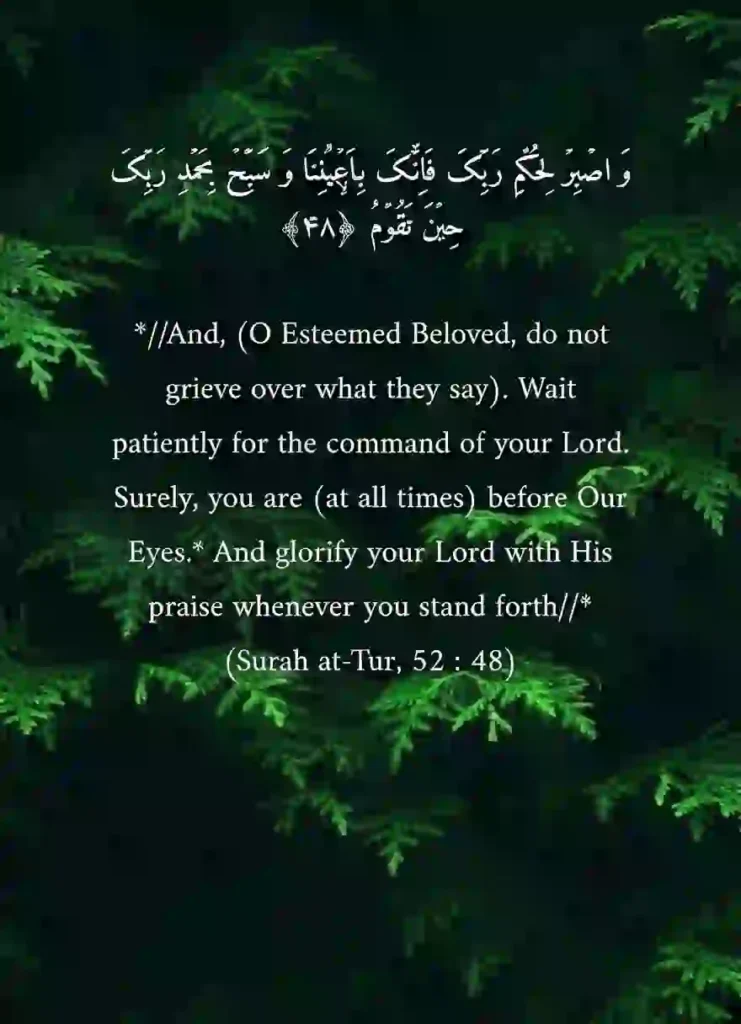
2. Surah At-Tur, Ayah 48 Meaning: The Prophet is told to be patient, for he is under Allah’s watchful care, and to glorify Allah when he rises. Read Surah At-Tur 52:48 on Quran.com
Hadith References Worth Knowing
Hadith literature also connects to this chapter, especially regarding its recitation in prayer and its emotional weight.
1. Sahih al-Bukhari The Prophet ﷺ recited Surah At-Tur in Maghrib prayer, and a companion later said this was the moment his heart truly embraced faith. See this narration on Sunnah.com
2. Sahih Muslim Another narration describes the Prophet ﷺ reciting from this surah during Maghrib, showing its regular place in his worship. Read related hadith on Sunnah.com
Hanafi Fiqh Resources for Deeper Study
If you want to connect Quranic study with classical Hanafi scholarship, these two titles are commonly found in Islamic libraries and archive collections:
- Al-Hidayah by Burhan al-Din al-Marghinani
- Fatawa Alamgiri (compiled under Aurangzeb’s patronage)
Both texts help readers understand how classical scholars applied Quranic principles, including themes found in Surah Tur, to daily religious practice.
Categories: PRAYER ,ALMS , SAWN HAJJ & DUA , Hadith and Tafseer, The Holy Quran, Quran Jaz 1- 114
Learn Quran for Free
Many readers ask where they can get personal guidance on Tajweed, memorization, or tafsir. You don’t need to figure this out alone.
- WhatsApp: +923017363500
- Email: [email protected]
Reach out anytime for free guidance on learning the Quran properly, at your own pace.
Suitable Sources for Further Reading
| Resource | Focus Area | Best For |
| IslamicTeachings.org Forum | Community discussion | Asking questions, peer learning |
| IslamQA.info | Verified fatwas | Fiqh rulings and clarifications |
| Wikipedia: Al-Tur | General overview | Quick background reading |
| Britannica: Quran | Historical context | Understanding Quran’s structure |
Those who want Taweez, Naqash of Surah Tur Benefits , please send contact by email- [email protected]
Download Free Arabic Quran
Free Download Arabic Quran PDF From Google Drive Link – ( Download)
Frequently Asked Questions
What is Surah Tur about?
It focuses on the Day of Judgment, the reward of Paradise for believers, and rational arguments against those who deny Allah’s existence and power.
How many verses does Surah al Tur have?
This Makkan chapter contains 49 verses total, placed as the 52nd surah in the Quran’s standard ordering.
Why is Surah Tur Ayat 35 famous?
It’s a short, logical verse asking whether people created themselves from nothing, a powerful argument used often in discussions about faith.
Is it good to memorize Surah Tur?
Yes, many teachers recommend it early on because its oath-based verses have a natural rhythm that makes memorization smoother for beginners.
Where can I get free help learning Quran recitation?
You can message +923017363500 on WhatsApp or email [email protected] for free, personalized guidance on Quran learning.
Final Thoughts
Surah Tur isn’t just another chapter to rush through during prayer. It’s a call to reflect, a reminder that every action carries weight, and a promise that patience during hardship leads somewhere beautiful. Take a few minutes today, read it slowly, and let its message settle in your heart.
Similar Posts:
- Surah Yasin PDF English, Arabic & Urdu
- Surah Yunus PDF English, Arabic & Urdu
- Surah Yaseen PDF English, Arabic & Urdu
- Surah Al Fil PDF English, Arabic and Urdu
- Exploring What is Surah a Yaseen About?
- Surah Yasin Full PDF English, Arabic & Urdu
- Short Surahs of Quran For Daily Recitation
- Surah Al Ahzab PDF English, Urdu and Arabic
- Surah Al Anbiya PDF English, Arabic and Urdu
- Spiritual Benefits of Reciting Surah Al-Baqarah
- Surah An Nasr in English PDF – Read and Listen
- Surah Yaseen Complete PDF English, Arabic & Urdu