
Surah Muhammad is the 47th chapter of the Quran, revealed during the Medina period. This powerful surah addresses believers with guidance on faith, victory, and righteous conduct. If you’re searching for “surah e muhammad” or want to understand “muhammad surah” better, you’ve come to the right place. Whether you need the “surah muhammad pdf” version or insights into “surah al Muhammad,” this article covers everything you need to know.
Why Study Surah Muhammad?
This surah holds tremendous importance for every Muslim. It bridges the gap between spiritual beliefs and practical action in daily life. The message isn’t just for scholars—it’s for everyone seeking clarity and purpose.
Surah Muhammad speaks directly to three main areas of Islamic life:
- Spiritual Growth: It strengthens belief and trust in Allah
- Social Responsibility: It teaches justice, fairness, and kindness
- Personal Development: It guides you toward better character and wisdom
Many people underestimate how relevant this surah is to modern life. It tackles challenges believers face—doubt, hardship, and moral confusion—with crystal-clear guidance.
Also Read: Quran with Urdu Translation PDF Download

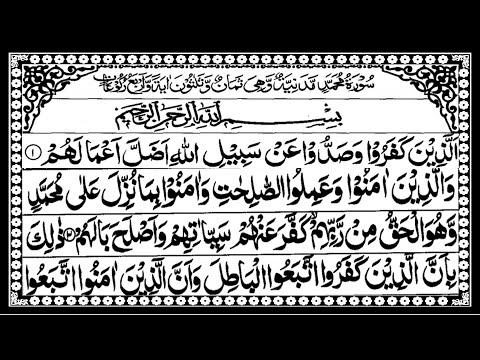
Complete Surah all verses
| Verse | Arabic | Transliteration | Translation |
|---|---|---|---|
| 1 | الۡحَمۡدُ لِلَّهِ الَّذِى أَنزَلَ عَلَىٰ عَبۡدِهِ الۡكِتَٰبَ وَلَمۡ يَجۡعَل لَّهُۥ عِوَجَا | Al-hamdu lillaah-alladhi anzala ‘ala ‘abdihi al-kitaab wa lam yaj’al lahu ‘iwaja | All praise is due to Allah, Who has sent down the Book to His servant without any crookedness. |
| 2 | قَيِّمٗا لِّيُنذِرَ بَأۡسٗا شَدِيدٗا مِّن لَّدُنۡهُ وَيُبَشِّرَ الۡمُؤۡمِنِينَ الَّذِينَ يَعۡمَلُونَ الصَّٰلِحَٰتِ أَنَّ لَهُمۡ أَجۡرًا حَسَنٗا | Qayyiman liyundhira ba’san shadidan min ladunhu wa yubashshir al-mu’minin alladhina ya’malun al-salihaat anna lahum ajran hasana | Straight, so that he may warn of severe punishment from Him and give glad tidings to the believers who do righteous deeds that for them is a good reward. |
| 3 | مَٰكِثِينَ فِيهِ أَبَدًا | Makithina fih abada | Wherein they shall remain forever. |
| 4 | وَيُنذِرَ الَّذِينَ قَالُوا اتَّخَذَ اللَّهُ وَلَدًا | Wa yundhir alladhina qalu ittakhadha Allah walada | And to warn those who say, “Allah has taken a son.” |
| 5 | لَّا عِلۡمَ لَهُم بِهِۖ وَلَا لِآبَآئِهِمۡۚ كَبُرَتۡ كَلِمَةٗ تَخۡرُجُ مِنۡ أَفۡوَٰهِهِمۡۚ إِن يَقُولُونَ إِلَّا كَذِبًا | La ‘ilma lahum bihi wa la li-aba’ihim. Kaburat kalimatan takhruju min afwahihim. In yaqulun illa kadhiba | They have no knowledge of it, nor have their fathers. Grievous is the word that comes out of their mouths. They speak nothing but a lie. |
| 6 | فَلَعَلَّكَ بَٰخِعٌ نَّفۡسَكَ عَلَىٰٓ آثَٰرِهِمۡ إِن لَّمۡ يُؤۡمِنُوا بِهَٰذَا الۡحَدِيثِ أَسَفًا | Fa-la’allaka bakhiu’un nafsaka ‘ala atharihim in lam yu’minu bihatha al-hadith asafa | So perhaps you would destroy yourself, [O Muhammad], through grief over them, if they do not believe in this message, [feeling] regret. |
| 7 | إِنَّا جَعَلۡنَا مَا عَلَى ٱلۡأَرۡضِ زِينَةٗ لَّهَا لِنَبۡلُوَهُمۡ أَيُّهُمۡ أَحۡسَنُ عَمَلٗا | Inna ja’alna ma ‘ala al-ardh zina laha linabluwa-hum ayyuhum ahsan ‘amala | Indeed, We have made that which is on the earth adornment for it that We may test which of them are best in deed. |
| 8 | وَإِنَّا لَجَاعِلُونَ مَا عَلَيۡهَا صَعِيدٗا جُرُزًا | Wa inna la-ja’alun ma ‘alayha sa’idan juruza | And indeed, We will make that which is upon it [into] barren dust. |
| 9 | أَمۡ حَسِبۡتَ أَنَّ أَصۡحَٰبَ ٱلۡكَهۡفِ وَٱلرَّقِيمِ كَانُوا۟ مِنۡ ءَايَٰتِنَا عَجَبًا | Am hasibta anna ashab al-kahf wa al-raqim kanu min ayatina ‘ajaba | Have you thought that the people of the Cave and al-Raqeem were, among Our signs, a wonder? |
| 10 | إِذۡ أَوَى ٱلۡفِتۡيَةُ إِلَى ٱلۡكَهۡفِ فَقَالُوا۟ رَبَّنَآ ءَاتِنَا مِن لَّدُنكَ رَحۡمَةٗ وَهَيِّئۡ لَنَا مِنۡ أَمۡرِنَا رَشَدًا | Idh awa al-fityatu ila al-kahf fa-qalu rabbana atina min ladunka rahmatan wa hayyih lana min amrina rashhada | When the youths retreated to the cave, they said, “Our Lord, grant us from Yourself mercy and prepare for us from our affair right guidance.” |
| 11 | فَضَرَبۡنَا عَلَىٰ ءَاذَانِهِمۡ فِى ٱلۡكَهۡفِ سِنِينَ عَدَدٗا | Fadharabna ‘ala athanihim fi al-kahf sinina ‘adada | So We cast [a cover of] sleep upon them in the cave for a number of years. |
| 12 | ثُمَّ بَعَثۡنَٰهُمۡ لِنَعۡلَمَ أَىُّ ٱلۡحِزۡبَيۡنِ أَحۡصَىٰ لِمَا لَبِثُوا۟ أَمَدٗا | Thuma ba’athnahu linaalama ayyu al-hizbayn ahsa lima labathu amada | Then We awakened them that We might test which of the two groups was more precise in calculating the time period they had remained. |
| 13 | نَحۡنُ نَقُصُّ عَلَيۡكَ نَبَأَهُم بِٱلۡحَقِّۚ إِنَّهُمۡ فِتۡيَةٌ ءَامَنُوا۟ بِرَبِّهِمۡ وَزِدۡنَٰهُمۡ هُدٗى | Nahnu naqussu ‘alayka naba’ahum bil-haqq. Innahum fityatun amanu bi-rabbihim wa zidnahu huda | We relate to you their story in truth. Indeed, they were youths who believed in their Lord, and We increased them in guidance. |
| 14 | وَرَبَطۡنَا عَلَىٰ قُلُوبِهِمۡ إِذۡ قَامُوا۟ فَقَالُوا۟ رَبُّنَا رَبُّ ٱلسَّمَٰوَٰتِ وَٱلۡأَرۡضِ لَن نَّدۡعُوَا۟ مِن دُونِهِۦ إِلَٰهٗا ۖ لَقَدۡ قُلۡنَآ إِذٗا شَطَطًا | Wa rababna ‘ala qulubihim idh qamu fa-qalu rabbuna rabb al-samawat wa al-ardh lan nad’u min dun-ih ilaha. Laqad qulna idhan shataata | And We strengthened their hearts when they stood up and said, “Our Lord is the Lord of the heavens and the earth. Never will we invoke besides Him any deity. We would have certainly spoken, in that case, an enormity.” |
| 15 | هَٰٓؤُلَآءِ قَوۡمُنَا ٱتَّخَذُوا۟ مِن دُونِهِۦٓ ءَالِهَةٗۖ لَّوۡلَا يَأۡتُونَ عَلَيۡهِم بِسُلۡطَٰنٍۭ بَيِّنٗۖ فَمَنۡ أَظۡلَمُ مِمَّنِ ٱفۡتَرَىٰ عَلَى ٱللَّهِ كَذِبٗا | Ha’ula’i qawmuna ittakhadhu min dun-ih alihatan. Lawla ya’tun ‘alayhim bi-sultan bayyinatin. Fa-man azhlam mimman iftara ‘ala Allah kadhibatan | These, our people, have taken besides Him deities. Why do they not bring for them a clear authority? And who is more unjust than one who invents about Allah a lie? |
| 16 | وَإِذِ ٱعۡتَزَلۡتُمُوهُمۡ وَمَا يَعۡبُدُونَ إِلَّا ٱللَّهَ فَأۡوُۥا۟ إِلَى ٱلۡكَهۡفِ يَنشُرۡ لَكُمۡ رَبُّكُم مِّن رَّحۡمَتِهِۦ وَيُهَيِّئۡ لَكُم مِّنۡ أَمۡرِكُم مِّرۡفَقًا | Wa idhi i’tazaltumuh wa ma ya’budun illa Allah fa’awi ila al-kahf yunshur lakum rabbukum min rahmatihi wa yuhayyih lakum min amrikum mirfaqa | And when you have withdrawn from them and that which they worship other than Allah, retreat to the cave. Your Lord will spread out for you of His mercy and will prepare for you from your affair facility. |
| 17 | وَتَرَى ٱلشَّمۡسَ إِذَا طَلَعَت تَّزِفُّ عَن كَهۡفِهِمۡ ذَاتَ ٱلۡيَمِينِ وَإِذَا غَرَبَت تَّقۡرِضُهُمۡ ذَاتَ ٱلشِّمَالِ وَهُمۡ فِى فِجۡوَةٖ مِّنۡهُۚ ذَٰلِكَ مِنۡ ءَايَٰتِ ٱللَّهِۚ مَن يَهۡدِ ٱللَّهُ فَهُوَ ٱلۡمُهۡتَدِ ۖ وَمَن يُضۡلِلۡ فَلَن تَجِدَ لَهُۥ وَلِيًّا مُّرۡشِدًا | Wa tara al-shamsa idha tala’at taziffu ‘an kafihi dhat al-yamini wa idha gharabat taqriduhum dhat al-shimali wa hum fi fijwatin min-ha. Dhalika min ayat Allah. Man yahdi Allah fa-huwa al-muhtad wa man yudhlil fa-lan tajid lahu waliyyan murshidan | And you will see the sun when it emerges, inclining away from their cave on the right, and when it sets, passing away from them on the left, while they are within it. That is of the signs of Allah. Whoever Allah guides is rightly guided, and whoever He leaves astray – never will you find for him a way-guide. |
| 18 | وَتَحۡسَبُهُمۡ أَيۡقَاظٗا وَهُمۡ رُقُودٗۖ وَنُقَلِّبُهُمۡ ذَاتَ ٱلۡيَمِينِ وَذَاتَ ٱلشِّمَالِ وَكَلۡبُهُم بَٰسِطٌ ذِرَاعَيۡهِ بِٱلۡوَصِيدِۚ لَوۡ ٱطَّلَعۡتَ عَلَيۡهِمۡ لَوَلَّيۡتَ مِنۡهُمۡ فِرَارٗا وَلَمُلِئۡتَ مِنۡهُمۡ رُعۡبًا | Wa tahsabuhum ayqaza wa hum ruqud. Wa nuqallibuhum dhat al-yamini wa dhat al-shimali wa kalbuhum basiton dhira’ayh bil-wasid. Law attala’ta ‘alayhim lawllayta min-hum firara wa lamuli’ta min-hum ru’ba | And you would think them awake, while they were asleep. And We turned them to the right and to the left, while their dog stretched his forelegs at the entrance. Had you looked at them, you would have turned from them in flight and been filled by them with terror. |
| 19 | وَكَذَٰلِكَ بَعَثۡنَٰهُمۡ لِيَتَسَآءَلُوا۟ بَيۡنَهُمۡۚ قَالَ قَآئِلٌ مِّنۡهُمۡ كَمۡ لَبِثۡتُمۡۖ قَالُوا۟ لَبِثۡنَا يَوۡمًا أَوۡ بَعۡضَ يَوۡمٍۚ قَالُوا۟ رَبُّكُمۡ أَعۡلَمُ بِمَا لَبِثۡتُمۡ فَٱبۡعَثُوا۟ أَحَدَكُم بِوَرِقِكُمۡ هَٰذِهِۦٓ إِلَى ٱلۡمَدِينَةِ فَلۡيَنظُرۡ أَيُّهَآ أَزۡكَىٰ طَعَامٗا فَلۡيَأۡتِكُم بِرِزۡقٍ مِّنۡهُ وَلۡيَتَلَطَّفۡ وَلَا يُشۡعِرَنَّ بِكُمۡ أَحَدًا | Wa kathalika ba’athnahu liyatasa’alu bayna-hum. Qala qa’ilun min-hum kam labithta. Qalu labithna yawman aw ba’d yawmin. Qalu rabbukum a’lamu bima labithta. Fab’athu ahada-kum bi-waraqikum hathihi ila al-madinati fa-lyanzu ayyu-ha azka ta’aman fa-lya’tikum bi-rizqin min-hu wa lya-talattaf wa la yushhira bikum ahad | And similarly, We awakened them that they might question one another. Said a speaker from among them, “How long have you remained here?” They said, “We have remained a day or part of a day.” They said, “Your Lord knows best how long you have remained. So send one of you with this silver coin of yours to the city and let him look to which is the best food and bring you provision from it, and let him be cautious and not let anyone be aware of you.” |
| 20 | إِنَّهُمۡ إِن يَظۡهَرُوا۟ عَلَيۡكُمۡ يَرۡجُمُوكُمۡ أَوۡ يُعِيدُوكُمۡ فِى مِلَّتِهِمۡ وَلَن تُفۡلِحُوا۟ إِذًا أَبَدًا | Innahum in yazharu ‘alaykum yarjumukum aw yu’idukum fi milla-tihim wa lan tuflahu idhan abada | For indeed, if they come to know of you, they will stone you or return you to their religion. And never would you succeed, then, ever. |
| 21 | وَكِلۡكَا ءَاتَيۡنَٰهُمَا ٱلۡحِكۡمَةَ وَٱلۡعِلۡمَۚ وَكِلۡتَا قَوۡمِهِمَا عَلَيۡنَا مِنۡهُمۡ | Wa kiltahuma atayna-huma al-hikma wa al-‘ilma wa kiltaa qawma-huma ‘alayna min-hum | And both of them We gave wisdom and knowledge. And We caused to flow for David a fountain of molten copper. [We said], “Work, O family of David, in gratitude.” And few of My servants are grateful. |
| 22 | قَالَ هَٰذَا مِن رَّحْمَةِ رَبِّى فَإِذَا جَآءَ وَعۡدُ رَبِّى جَعَلَهُۥ دَكَّآءَۚ وَكَانَ وَعۡدُ رَبِّى حَقًّا | Qala hadha min rahmati rabbi fa-idha ja’a wa’du rabbi ja’alahu dakka’a wa kana wa’du rabbi haqqa | He said, “This is from the favor of my Lord to test me whether I will be grateful or ungrateful. And whoever is grateful – his gratitude is only for himself. And whoever is ungrateful – then indeed, my Lord is Free of need and Generous.” |
| 23 | وَقَالُوا۟ لَآ تَذَرُنَّ ءَالِهَتَكُمۡ وَلَا تَذَرُوا۟ وَدًّا وَلَا سُوَاعًا وَلَا يَغُوثَ وَيَعُوقَ وَنَسۡرٗاۚ | Wa qalu la tadhrun-na alihata-kum wa la tadhru wad-dan wa la suwa’an wa la yaguth wa ya’uq wa nasra | And they said, “Do not leave your gods and do not leave Wadd or Suwa’ and neither Yaghuth and Ya’uq and Nasr.” |
| 24 | وَقَدۡ أَضَلُّوا۟ كَثِيرٗا ۖ وَلَا تَزِدِ ٱلظَّٰلِمِينَ إِلَّا ضَلَٰلٗا | Wa qad adlal kathira wa la tazid al-zalimin illa dhalala | And they have already led astray many. And do not increase the wrongdoers except in error. |
| 25 | بِمَا عَصَوۡا۟ أَغۡرَقۡنَٰهُمۡ فَأَنظِرۡهُمۡ إِلَىٰ يَوۡمٍ يُبۡعَثُونَ | Bima ‘asu aghraqna-hum fa-anthirhum ila yawmin yub’athun | Because of their disobedience, We drowned them and made them a sign for mankind. And We have prepared a painful punishment for the wrongdoers. |
| 26 | وَٱلَّذِينَ ءَامَنُوا۟ وَعَمِلُوا۟ ٱلصَّٰلِحَٰتِ سَيَدۡخِلُهُمۡ جَنَّٰتٖ تَجۡرِى مِن تَحۡتِهَا ٱلۡأَنۡهَٰرُ خَٰلِدِينَ فِيهَآ أَبَدٗاۚ وَعۡدَ ٱللَّهِ حَقًّاۚ وَمَنۡ أَصۡدَقُ مِنَ ٱللَّهِ قِيلًا | Wa alladhina amanu wa ‘amilu al-salihate sa-yadkhuluhum jannat tajri min tahtiha al-anhar khalidina fiha abada. Wa’d Allah haqqa wa man asdaq min Allah qila | But those who believed and did righteous deeds – We will admit them to gardens beneath which rivers flow, wherein they abide eternally forever. [It is] the promise of Allah, [which is] true. And who is more truthful than Allah in statement? |
| 27 | لَيۡسَ بِأَمَانِيِّكُمۡ وَلَآ أَمَانِىِّ أَهۡلِ ٱلۡكِتَٰبِۚ مَن يَعۡمَلۡ سُوٓءٗا يُجۡزَ بِهِۦ وَلَا يَجِدۡ لَهُۥ مِن دُونِ ٱللَّهِ وَلِيًّا وَلَا نَصِيرًا | Laysa bi-amaniyyikum wa la amani ahl al-kitab. Man ya’mal su’an yujaza bihi wa la yajid lahu min dun Allah waliyyan wa la nasira | It is not as your wishful thinking, nor the wishful thinking of the People of the Scripture. Whoever does a wrong will be recompensed for it, and will not find besides Allah a protector or a helper. |
| 28 | وَمَن يَعۡمَلۡ مِنَ ٱلصَّٰلِحَٰتِ مِن ذَكَرٍ أَوۡ أُنثَىٰ وَهُوَ مُؤۡمِنٌ فَأُولَٰٓئِكَ يَدۡخُلُونَ ٱلۡجَنَّةَ وَلَا يُظۡلَمُونَ نَقِيرًا | Wa man ya’mal min al-salihate min dhakarin aw untha wa huwa mu’min fa-ula’ika yadkhulun al-janna wa la yuzlumun naqira | And whoever does righteous deeds, whether male or female, while being a believer – those will enter Paradise and will not be wronged, [even as much as] the speck on a date seed. |
| 29 | وَمَنۡ أَحۡسَنُ دِينٗا مِّمَّنۡ أَسۡلَمَ وَجۡهَهُۥ لِلَّهِ وَهُوَ مُحۡسِنٌ وَٱتَّبَعَ مِلَّةَ إِبۡرَٰهِيمَ حَنِيفًاۚ وَٱتَّخَذَ ٱللَّهُ إِبۡرَٰهِيمَ خَلِيلًا | Wa man ahsan dina mimman aslama wajha-hu lilah wa huwa muhsin wa ittaba’ millat Ibrahim hanifa. Wa ittakhadha Allah Ibrahim khalila | And who is better in religion than one who submits himself to Allah while being a doer of good and follows the religion of Abraham, inclining toward truth? And Allah took Abraham as an intimate friend. |
| 30 | وَلِلَّهِ مَا فِى ٱلسَّمَٰوَٰتِ وَمَا فِى ٱلۡأَرۡضِۚ وَكَانَ ٱللَّهُ بِكُلِّ شَىۡءٍ مُّحِيطًا | Wa lilah ma fi al-samawat wa ma fi al-ardh. Wa kana Allah bi-kulli shay’in muhita | And to Allah belongs whatever is in the heavens and whatever is on the earth. And ever is Allah, of all things, encompassing. |
| 31 | وَيَسۡتَفۡتُونَكَ فِى ٱلنِّسَآءِ ۚ قُلِ ٱللَّهُ يُفۡتِيكُمۡ فِيهِنَّ وَمَا يُتۡلَىٰ عَلَيۡكُمۡ فِى ٱلۡكِتَٰبِ فِى يَتَٰمَى ٱلنِّسَآءِ ٱلَّٰتِى لَا تُؤۡتُونَهُنَّ مَا كُتِبَ لَهُنَّ وَتَرۡغَبُونَ أَن تَنكِحُوهُنَّ وَٱلۡمُسۡتَضۡعَفِينَ مِنَ ٱلۡوِلۡدَٰنِ وَأَن تَقُومُوا۟ لِلۡيَتَٰمَىٰ بِٱلۡقِسۡطِۚ وَمَا تَفۡعَلُوا۟ مِنۡ خَيۡرٖ فَإِنَّ ٱللَّهَ كَانَ بِهِۦ عَلِيمًا | Wa yastaftun-ka fi al-nisa. Quli Allah yufti-kum fi-hinna wa ma yutla ‘alaykum fi al-kitab fi yatama al-nisa allatat la tu’tun-hanna ma kutiba lahunna wa targhaban an tankihu-hunna wa al-mustada’ifin min al-wildan wa an taqumu li-l-yatama bi-al-qist. Wa ma taf’alu min khayrin fa-inna Allah kana bihi ‘alima | And they ask you about orphans. Say, “Improvement for them is best. And if you mix your affairs with theirs – they are your brothers. And Allah knows the mischief-maker from the amender. And if Allah had willed, He could have put you in difficulty. Indeed, Allah is Exalted in Might and Wise.” |
| 32 | وَلَا تَنكِحُوا۟ ٱلۡمُشۡرِكَٰتِ حَتَّىٰ يُؤۡمِنَّ ۚ وَلَأَمَةٌ مُّؤۡمِنَةٌ خَيۡرٌ مِّن مُّشۡرِكَةٖ وَلَوۡ أَعۡجَبَتۡكُمۡۚ وَلَا تُنكِحُوا۟ ٱلۡمُشۡرِكِينَ حَتَّىٰ يُؤۡمِنُوا۟ ۚ وَلَعَبۡدٌ مُّؤۡمِنٌ خَيۡرٌ مِّن مُّشۡرِكٖ وَلَوۡ أَعۡجَبَكُمۡۗ أُو۟لَٰٓئِكَ يَدۡعُونَ إِلَى ٱلنَّارِ ۖ وَٱللَّهُ يَدۡعُوٓا۟ إِلَى ٱلۡجَنَّةِ وَٱلۡمَغۡفِرَةِ بِإِذۡنِهِۦ ۚ وَيُبَيِّنُ ءَايَٰتِهِۦ لِلنَّاسِ لَعَلَّهُمۡ يَتَذَكَّرُونَ | Wa la tankahu al-mushrikate hatta yu’mimna. Wa la-amatan mu’minatan khayrun min mushrikatin wa law a’jabatku. Wa la tunkhu al-mushrikin hatta yu’minu. Wa la-‘abd mu’min khayrun min mushrik wa law a’jabakum. Ula’ika yad’un ila al-nar wa Allah yad’u ila al-janna wa al-maghfira bi-idhni-h wa yubayyinu ayati-h li-al-nas la’allahum yatadhakarun | And do not marry polytheistic women until they believe. And a believing slave woman is better than a polytheistic woman, even if she should please you. And do not marry polytheistic men [to your women] until they believe. And a believing slave is better than a polytheistic man, even if he should please you. Those invite to the Fire, and Allah invites to Paradise and to forgiveness, by His permission. And He makes clear His verses to the people that perhaps they may remember. |
| 33 | وَيَسۡتَفۡتُونَكَ فِى ٱلۡمَحِيضِ ۖ قُلۡ هُوَ أَذٗى فَٱعۡتَزِلُوا۟ ٱلنِّسَآءَ فِى ٱلۡمَحِيضِ ۖ وَلَا تَقۡرَبُوهُنَّ حَتَّىٰ يَطۡهُرۡنَ ۖ فَإِذَا تَطَهَّرۡنَ فَأۡتُوهُنَّ مِنۡ حَيۡثُ أَمَرَكُمُ ٱللَّهُ ۚ إِنَّ ٱللَّهَ يُحِبُّ ٱلتَّوَّٰبِينَ وَيُحِبُّ ٱلۡمُتَطَهِّرِينَ | Wa yastaftun-ka fi al-mahidh. Qul huwa adhan fa-i’tazilu al-nisa fi al-mahidh wa la taqrabuhunna hatta yathhurna. Fa-idha tathhharna fa-a’tuhunna min hayth amarakum Allah. Inna Allah yuhibbu al-tawwabin wa yuhibbu al-muttathhirin | They ask you about menstruation. Say, “It is harm, so keep away from women during menstruation. And do not approach them until they are pure. And when they have purified themselves, then come to them from where Allah has ordained for you. Indeed, Allah loves those who are constantly repentant and loves those who purify themselves.” |
| 34 | نِسَآؤُكُمۡ حَرۡثٌ لَّكُمۡ فَأۡتُوا۟ حَرۡثَكُمۡ أَنَّىٰ شِئۡتُمۡ ۖ وَقَدِّمُوا۟ لِأَنفُسِكُمۡ ۚ وَٱتَّقُوا۟ ٱللَّهَ وَٱعۡلَمُوٓا۟ أَنَّكُم مُّلَٰقُوهُ ۗ وَبَشِّرِ ٱلۡمُؤۡمِنِينَ | Nisa’u-kum harth la-kum fa’tu harthakum anna shi’tum wa qaddimuw li-anfusi-kum wa ittaqu Allah wa’lamu anna-kum mulaqu-hu wa bashshir al-mu’minin | Your wives are a place of cultivation for you, so come to your place of cultivation however you wish and put forward [righteousness] for yourselves. And fear Allah and know that you will meet Him. And give good tidings to the believers. |
| 35 | وَلَا تَجۡعَلُوا۟ ٱللَّهَ عُرۡضَةٗ لِّأَيۡمَٰنِكُمۡ أَن تَبَرُّوا۟ وَتَتَّقُوا۟ وَتُصۡلِحُوا۟ بَيۡنَ ٱلنَّاسِ ۗ وَٱللَّهُ سَمِيعٌ عَلِيمٌ | Wa la taj’alu Allah ‘urda lil-aymani-kum an tabarru wa tattaqu wa tuslahu bayna al-nas. Wa Allah samiu’ alim | And do not make Allah, by your oaths, a prevention to your doing good and being righteous and making peace among people. And Allah is Hearing and Knowing. |
| 36 | لَا يُؤَاخِذُكُمُ ٱللَّهُ بِٱللَّغۡوِ فِىٓ أَيۡمَٰنِكُمۡ وَلَٰكِن يُؤَاخِذُكُم بِمَا كَسَبَتۡ قُلُوبُكُمۡ ۗ وَٱللَّهُ غَفُورٌ حَلِيمٌ | La yu’akhidhu-kum Allah bi-al-laghu fi ayma-nikum wa laking yu’akhibu-kum bima kasabat qulubu-kum. Wa Allah ghafur halim | Allah will not hold you accountable for what is unintentional in your oaths, but He will hold you accountable for what your hearts have earned. And Allah is Forgiving and Forbearing. |
| 37 | وَٱلَّذِينَ يُظَٰهِرُونَ مِن نِّسَآئِهِم ثُمَّ يَعُودُونَ لِمَا قَالُوا۟ فَعِتۡقُ رَقَبَةٍ مِّن قَبۡلِ أَن يَتَمَآسَّا ۚ ذَٰلِكُمۡ تُوعَظُونَ بِهِۦ ۚ وَٱللَّهُ بِمَا تَعۡمَلُونَ خَبِيرٌ | Wa alladhina yuzahirun min nisa’i-him thuma ya’udun lima qalu fa-‘itqu raqabatin min qabli an yatamasasa. Dhalikum tuw’azun bihi wa Allah bima ta’malun khabir | Those who pronounce zihar among you [using such language] – they are not your mothers. Your mothers are only those who gave birth to you. And indeed, they are saying an objectionable statement and a falsehood. But indeed, Allah is ever Pardoning and Forgiving. |
| 38 | وَٱلَّذِينَ يُظَٰهِرُونَ مِن نِّسَآئِهِم ثُمَّ يَعُودُونَ لِمَا قَالُوا۟ فَعِتۡقُ رَقَبَةٍ مِّن قَبۡلِ أَن يَتَمَآسَّا ۚ ذَٰلِكُمۡ تُوعَظُونَ بِهِۦ ۚ وَٱللَّهُ بِمَا تَعۡمَلُونَ خَبِيرٌ | Wa alladhina yuzahirun min nisa’i-him thuma ya’udun lima qalu fa-‘itqu raqabatin min qabli an yatamasasa. Dhalikum tuw’azun bihi wa Allah bima ta’malun khabir | And [as for] those who make accusations against chaste women and then do not produce four witnesses, strike them with eighty lashes and do not accept from them testimony ever after. And those are the defiantly disobedient. |
Key Benefits of Understanding Surah Muhammad
When you truly grasp the message of this surah, several transformations happen naturally:
Enhanced Faith: The surah reassures believers that Allah rewards those who remain steadfast. This strengthens your connection with the Divine and brings peace during difficult times.
Better Decision-Making: The guidance in this surah helps you evaluate situations wisely. You learn to distinguish between what’s beneficial and what’s harmful.
Improved Relationships: This chapter teaches compassion and justice. Applying these principles transforms how you interact with family, friends, and colleagues.
Inner Peace: Understanding Allah’s promises and wisdom removes anxiety and worry. You develop trust that Allah’s plan is always for your good.
Practical Wisdom: The surah doesn’t just give spiritual advice—it provides actionable insights for handling conflicts, managing wealth, and staying ethical.
The Message and Context of Surah Muhammad
Surah Muhammad was revealed during a crucial period in Islamic history. The Muslim community faced opposition, internal struggles, and the need to strengthen their unity. The surah directly addresses these challenges.
The name “Muhammad” itself carries significance. By naming this surah after Prophet Muhammad (peace be upon him), Allah emphasizes the importance of following his teachings and example. This connection makes the surah’s guidance more personal and relevant for believers.
The chapter opens with powerful affirmations about Allah’s oneness and the truth of the Quran. It then moves into practical guidance on warfare (during that specific historical context), justice in commerce, and maintaining brotherhood among believers.
Also Read: The Complete Quran Word Frequency List – Quran Mualim 2025
Core Themes in Surah Muhammad
Victory Through Steadfastness: Allah promises victory to those who remain firm in their faith. This isn’t just about physical battles—it’s about spiritual triumph over doubt and despair.
The Reality of Disbelief: The surah explains how those who turn away from Allah’s guidance face emptiness and confusion. This serves as a warning and a motivation to stay close to Islamic teachings.
Governance and Justice: Several verses address the importance of fair leadership and ethical conduct. This applies to personal leadership in your own life, your family, and society.
Knowledge and Wisdom: The surah emphasizes the value of seeking knowledge and using it responsibly. Education paired with morality creates positive change.
Most Relevant Quran Verses in Surah Muhammad
Verse 1: The Opening Promise
Surah Muhammad 47:1 – “Those who disbelieve and prevent [people] from the way of Allah—He will waste their deeds.”
This verse reminds us that Allah is aware of everyone’s actions. Those who actively reject faith and lead others astray will find their efforts meaningless. For believers, it’s reassurance that Allah sees our sincere efforts and never lets them go to waste.
Verse 4: The Call to Action
Surah Muhammad 47:4 – “So when you meet those who disbelieve, strike their necks until you have caused a slaughter among them, then bind [those captured] firmly.”
(This verse has a specific historical context during warfare. In today’s world, scholars interpret it within Islamic jurisprudence on defensive fighting. It emphasizes that Allah supports the believers’ struggle against oppression.)
Hadith References Related to Surah Muhammad
Hadith 1: The Reward for Seeking Knowledge
Sahih al-Bukhari 1:3 – Prophet Muhammad (peace be upon him) said: “Whoever Allah wishes good for, He grants him understanding of the religion.” This hadith connects directly to Surah Muhammad’s emphasis on wisdom and knowledge. When you study the Quran, you’re following this blessed teaching.
Hadith 2: The Importance of Unity
Sahih Muslim 32:6229 – “The believers are like a single body; if one part feels pain, the whole body responds with wakefulness and fever.” This hadith reinforces Surah Muhammad’s message about brotherhood and mutual care. The surah teaches justice and compassion—values that keep the Muslim community united.
Also Read: The Clear Quran PDF Free Download – Quran Mualim 2025
Recommended Books for Deeper Study
After your first read, consider exploring these Hanafi fiqh resources:
- Al-Hidayah (The Guidance) by Al-Marghinani—A classical text on Islamic jurisprudence widely available in libraries
- Fatawa-e-Hindiyyah (Alamgiri) by a collective of Hanafi scholars—Comprehensive guidance on practical Islamic matters
For a contemporary exploration, check this resource on Amazon:
The Quran and Hadith: A Visual Guide to Islamic Teachings – Accessible format for visual learners
Important Islamic Learning Resources
Strengthen your understanding with these reputable platforms:
- Islamic Teachings Forum – Engage with scholars and learners worldwide
- IslamQA – Get answers to your Islamic questions from authentic sources
A Simple Table: Understanding Surah Muhammad at a Glance
| Aspect | Details |
| Surah Number | 47th Chapter |
| Revelation Period | Medina (after Hijrah) |
| Number of Verses | 38 verses |
| Key Theme | Victory through faith and justice |
| Main Audience | Believers facing challenges |
| Practical Value | Guidance on ethics, leadership, and spirituality |
Also Read: A List of 114 Quran Surahs in The Holy Quran
How to Implement Surah Muhammad’s Teachings in Daily Life
Week 1 – Build Strong Faith: Reflect on verses about Allah’s power and wisdom. When facing doubt, read these verses and remind yourself of Allah’s promises.
Week 2 – Practice Justice: Apply fairness in small decisions. If you manage money, be transparent. If you lead others, be impartial.
Week 3 – Strengthen Relationships: Reach out to someone in your community. Show compassion. The surah teaches that unity is strength.
Week 4 – Seek Knowledge: Dedicate time to learning about Islam. Read tafsir (explanation) of this surah. Discuss it with others.
Frequently Asked Questions About Surah Muhammad
What does “Surah Muhammad” mean exactly?
Answer: Surah Muhammad is the 47th chapter of the Quran, named after Prophet Muhammad. It contains guidance on faith, victory, and justice for believers. It was revealed in Medina and addresses both spiritual and practical matters affecting Muslim communities.
Can I download “surah muhammad pdf” for offline reading?
Answer: Yes. Many Islamic websites offer free PDF downloads of the Quran. Websites like Quran.com and IslamicTeachings.org provide printable versions in English and Arabic with translations.
What is the main message of “surah e muhammad”?
Answer: The main message centers on victory through steadfastness in faith, the importance of justice and wisdom, and warnings against turning away from Allah’s guidance. It encourages believers to uphold moral principles.
How long does it take to memorize “surah al Muhammad”?
Answer: With consistent practice, most people memorize it in 2-4 weeks, studying 10-15 minutes daily. Since it has 38 verses, breaking it into sections makes the process manageable and effective.
Why should I study this surah if I’m a beginner in Islamic learning?
Answer: Surah Muhammad speaks to real-life challenges—doubt, fairness, and community unity. Its practical guidance makes it perfect for beginners. It connects spiritual concepts to everyday situations, making Islamic teachings relatable and actionable.
Deepening Your Understanding
Don’t just read this surah once. Come back to it regularly. Each time, you’ll notice something new. The Quran is designed this way—layered with wisdom that reveals itself gradually.
Many Muslims find that Surah Muhammad becomes more meaningful as they face real challenges. When you’re struggling with a difficult decision, its verses offer clarity. When doubt creeps in, its affirmations strengthen your resolve.
Consider studying it with others. Join an Islamic discussion group or find a study circle. Visit Quran Mualim for more Quranic resources and connect with a community of learners committed to deepening their faith.
Categories: PRAYER ,ALMS , SAWN & The Holy Quran, Quran Jaz 1- 114
Conclusion
Surah Muhammad isn’t just another chapter—it’s a guide for living with purpose, integrity, and confidence in Allah’s plan. Whether you’re searching for “surah e muhammad” translations, need the “surah muhammad pdf,” or want to explore “surah al Muhammad” in depth, this surah offers timeless wisdom.
📞 Need Personal Guidance?
Learn Quran for Free with our expert tutors:
📱 WhatsApp: +923017363500
📧 Email: [email protected]
Those who want Taweez, Naqash of Surah Muhammad Benefits , please send contact by email- [email protected]
Download Free Arabic Quran
Free Download Free Arabic Quran Fromm Google Drive Link – ( Download)
Recommended For You
- Juz 1 Alif Lam Meem Summary with PDF Download
- Juz 2 Sayaqool Summary With Free PDF Download
- Juz 3 Tilkal Rusul Summary With Free PDF Download
- Juz 4 Lantanalu Overview With Free PDF Download
- Juz 5 Wal Mohsanat Overview With Free PDF Download
- Juz 6 La Yuhibbullah Overview With Free PDF Download
- Juz 7 Wa Iza Samiu Overview with Free PDF Download
- Juz 8 Wa Lau Annana Overview With Free PDF Download
- Juz 9 Qad Aflaha Overview With Free PDF Download
- Juz 10 Wa A’lamu Overview With Free PDF Download
- Juz 11 Ya Ayyuha Overview with Free PDF Download
- Juz 12 Wa Mamin Da’abah Overview With Free PDF Download
- Juz 13 Wa Ma Ubrio Overview With Free PDF Download
- Juz 14 Rubama Overview With Free PDF Download
- Juz 15 Subhanalladhi Overview With Free PDF Download
- Juz 16 Qal Alam Overview With Free PDF Download
- Juz 17 Iqtarabat Overview With Free PDF Download
- Juz 18 Qadd Aflaha Overview With Free PDF Download
- Juz 19 Wa Qalallazina Overview With Free PDF Download
- Juz 20 A’man Khalaqa Overview With Free PDF Download
- Juz 21 Utlu Ma Oohiya Overview With Free PDF Download
- Juz 22 Wa Manyaqnut Overview With Free PDF Download
- Juz 23 Wa Maaa Liya Overview With Free PDF Download
- Juz 24 Faman Azlam Overview With Free PDF Download
- Juz 25 Elahe Yuruddu Overview With Free PDF Download
- Juz 26 Ha Meem Overview With Free PDF Download
- Juz 27 Qal Fama Khatbukum Overview With PDF Download
- Juz 28 Qadd Sami Allah Overview With Free PDF Download
- Juz 29 Tabarakallazi Overview With Free PDF Download