


Surah Al-Ahqaf is the 46th chapter of the Quran, revealed in Mecca during the early years of Prophet Muhammad’s mission. This remarkable surah carries profound teachings on patience, filial piety, and the consequences of arrogance. Whether you’re looking for “surah ahqaf” explanations, want to explore “al ahqaf” verses, or searching for practical guidance from “ahqaf,” this article unlocks the spiritual and practical wisdom within this chapter.
Why Surah Al-Ahqaf Matters for Every Muslim
Life throws challenges at all of us. Sometimes our faith wavers. Sometimes we wonder if we’re making the right choices. Surah Al-Ahqaf doesn’t ignore these realities—it addresses them directly with wisdom that feels relevant even today.
This surah tackles three areas that every Muslim faces:
- Spiritual Patience: How to stay strong when society rejects your beliefs
- Family Respect: The Islamic perspective on honoring parents even when they disagree
- Moral Clarity: Understanding right and wrong without following societal pressure
Many people skip over this surah thinking it’s “just another Meccan chapter.” That’s a mistake. The guidance here is practical, powerful, and life-changing.
Also Read: Tracing The Quran Juz By Juz: Download All 30 Parts
The Core Message: Patience and Gratitude
Surah Al-Ahqaf opens with a powerful declaration about the Quran itself. Then it immediately addresses believers going through hardship—people mocked for their faith, pressured by family, and surrounded by disbelievers.
Also Read: A List of 114 Quran Surahs in The Holy Quran
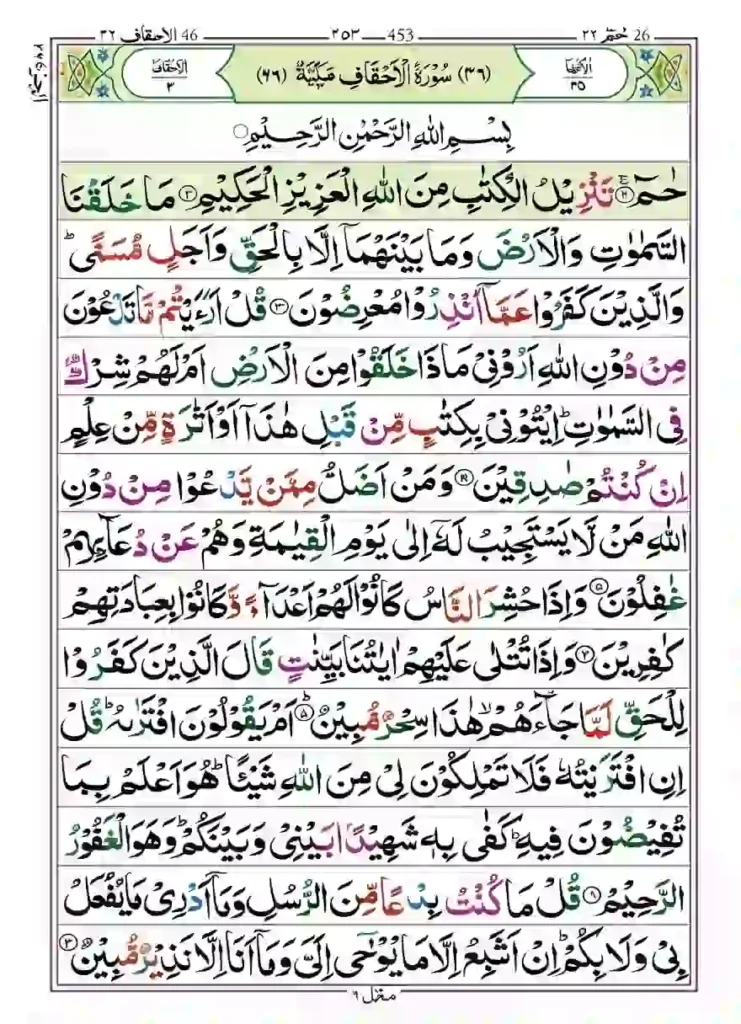
Surah Al-Ahqaf (سورة الأحقاف) — Chapter 46: “The Wind-Curved Sandhills”
Meccan surah, 35 verses
بِسْمِ اللَّهِ الرَّحْمَٰنِ الرَّحِيمِ Bismillāhir-Raḥmānir-Raḥīm — In the name of Allah, the Most Gracious, the Most Merciful
| # | Arabic | Transliteration | English Translation |
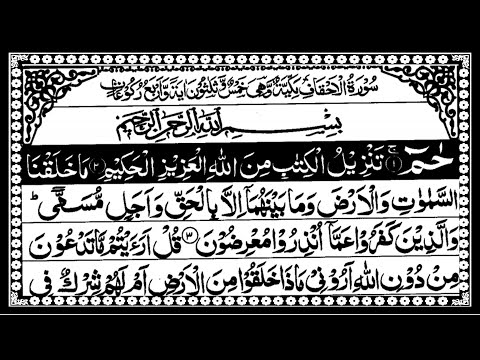
| 1 | حم | Ḥā-Mīm | Ha, Meem. |
| 2 | تَنزِيلُ الْكِتَابِ مِنَ اللَّهِ الْعَزِيزِ الْحَكِيمِ | Tanzīlu al-kitābi mina Allāhi al-‘azīzi al-ḥakīmi | The revelation of the Book is from Allah, the Exalted in Might, the Wise. |
| 3 | مَا خَلَقْنَا السَّمَاوَاتِ وَالْأَرْضَ وَمَا بَيْنَهُمَا إِلَّا بِالْحَقِّ وَأَجَلٍ مُسَمًّى وَالَّذِينَ كَفَرُوا عَمَّا أُنذِرُوا مُعْرِضُونَ | Mā khalaqnā as-samāwāti wal-arḍa wa mā baynahumā illā bilḥaqqi wa ajalin musamman wal-ladhīna kafarū ‘ammā undhirū mu’riḍūna | We did not create the heavens and earth and what is between them except in truth and for a specified term. But those who disbelieve turn away from that of which they are warned. |
| 4 | قُلْ أَرَأَيْتُم مَّا تَدْعُونَ مِن دُونِ اللَّهِ أَرُونِي مَاذَا خَلَقُوا مِنَ الْأَرْضِ أَمْ لَهُمْ شِرْكٌ فِي السَّمَاوَاتِ ائْتُونِي بِكِتَابٍ مِّن قَبْلِ هَٰذَا أَوْ أَثَارَةٍ مِّنْ عِلْمٍ إِن كُنتُمْ صَادِقِينَ | Qul ara’aytum mā tad’ūna min dūni Allāhi arūnī mādhā khalaqū mina al-arḍi am lahum shirkun fī as-samāwāti ītūnī bikitābin min qabli hādhā aw athāratin min ‘ilmin in kuntum ṣādiqīna | Say, “Have you considered what you invoke besides Allah? Show me what they have created of the earth, or do they have a share in the heavens? Bring me a scripture before this, or a trace of knowledge, if you are truthful.” |
| 5 | وَمَنْ أَضَلُّ مِمَّن يَدْعُو مِن دُونِ اللَّهِ مَن لَّا يَسْتَجِيبُ لَهُ إِلَىٰ يَوْمِ الْقِيَامَةِ وَهُمْ عَن دُعَائِهِمْ غَافِلُونَ | Wa man aḍallu mimman yad’ū min dūni Allāhi man lā yastajību lahu ilā yawmi al-qiyāmati wa hum ‘an du’ā’ihim ghāfilūna | And who is more astray than one who invokes, besides Allah, those who will not respond to him until the Day of Resurrection, being unaware of their calls? |
| 6 | وَإِذَا حُشِرَ النَّاسُ كَانُوا لَهُمْ أَعْدَاءً وَكَانُوا بِعِبَادَتِهِمْ كَافِرِينَ | Wa idhā ḥushira an-nāsu kānū lahum a’dā’an wa kānū bi’ibādatihim kāfirīna | And when mankind is gathered, they will be enemies to them and will deny their worship of them. |
| 7 | وَإِذَا تُتْلَىٰ عَلَيْهِمْ آيَاتُنَا بَيِّنَاتٍ قَالَ الَّذِينَ كَفَرُوا لِلْحَقِّ لَمَّا جَاءَهُمْ هَٰذَا سِحْرٌ مُّبِينٌ | Wa idhā tutlā ‘alayhim āyātunā bayyinātin qāla al-ladhīna kafarū lilḥaqqi lammā jā’ahum hādhā siḥrun mubīnun | And when Our verses are recited to them as clear evidences, the disbelievers say of the truth when it has come to them, “This is plain magic.” |
| 8 | أَمْ يَقُولُونَ افْتَرَاهُ قُلْ إِنِ افْتَرَيْتُهُ فَلَا تَمْلِكُونَ لِي مِنَ اللَّهِ شَيْئًا هُوَ أَعْلَمُ بِمَا تُفِيضُونَ فِيهِ كَفَىٰ بِهِ شَهِيدًا بَيْنِي وَبَيْنَكُمْ وَهُوَ الْغَفُورُ الرَّحِيمُ | Am yaqūlūna iftarāhu qul ini iftaraytuhu falā tamlikūna lī mina Allāhi shay’an huwa a’lamu bimā tufīḍūna fīhi kafā bihi shahīdan baynī wa baynakum wa huwa al-ghafūru ar-raḥīmu | Or do they say, “He invented it”? Say, “If I invented it, you have no power to help me against Allah. He knows best what you say about it. Sufficient is He as a Witness between me and you, and He is the Forgiving, the Merciful.” |
| 9 | قُلْ مَا كُنتُ بِدْعًا مِّنَ الرُّسُلِ وَمَا أَدْرِي مَا يُفْعَلُ بِي وَلَا بِكُمْ إِنْ أَتَّبِعُ إِلَّا مَا يُوحَىٰ إِلَيَّ وَمَا أَنَا إِلَّا نَذِيرٌ مُّبِينٌ | Qul mā kuntu bid’an mina ar-rusuli wa mā adrī mā yuf’alu bī wa lā bikum in attabi’u illā mā yūḥā ilayya wa mā anā illā nadhīrun mubīnun | Say, “I am not something new among the messengers, nor do I know what will be done with me or with you. I only follow what is revealed to me, and I am but a clear warner.” |
| 10 | قُلْ أَرَأَيْتُمْ إِن كَانَ مِنْ عِندِ اللَّهِ وَكَفَرْتُم بِهِ وَشَهِدَ شَاهِدٌ مِّن بَنِي إِسْرَائِيلَ عَلَىٰ مِثْلِهِ فَآمَنَ وَاسْتَكْبَرْتُمْ إِنَّ اللَّهَ لَا يَهْدِي الْقَوْمَ الظَّالِمِينَ | Qul ara’aytum in kāna min ‘indi Allāhi wa kafartum bihi wa shahida shāhidun min banī isrā’īla ‘alā mithlihi fa’āmana wastakbartum inna Allāha lā yahdī al-qawma aẓ-ẓālimīna | Say, “Have you considered: if it is from Allah and you disbelieve in it, while a witness from the Children of Israel has testified to its like and believed, while you were arrogant? Indeed, Allah does not guide the wrongdoing people.” |
| 11 | وَقَالَ الَّذِينَ كَفَرُوا لِلَّذِينَ آمَنُوا لَوْ كَانَ خَيْرًا مَّا سَبَقُونَا إِلَيْهِ وَإِذْ لَمْ يَهْتَدُوا بِهِ فَسَيَقُولُونَ هَٰذَا إِفْكٌ قَدِيمٌ | Wa qāla al-ladhīna kafarū lilladhīna āmanū law kāna khayran mā sabaqūnā ilayhi wa idh lam yahtadū bihi fasayaqūlūna hādhā ifkun qadīmun | And the disbelievers say of the believers, “If it had been good, they would not have preceded us to it.” And since they were not guided by it, they will say, “This is an ancient lie.” |
| 12 | وَمِن قَبْلِهِ كِتَابُ مُوسَىٰ إِمَامًا وَرَحْمَةً وَهَٰذَا كِتَابٌ مُّصَدِّقٌ لِّسَانًا عَرَبِيًّا لِّيُنذِرَ الَّذِينَ ظَلَمُوا وَبُشْرَىٰ لِلْمُحْسِنِينَ | Wa min qablihi kitābu Mūsā imāman wa raḥmatan wa hādhā kitābun muṣaddiqun lisānan ‘arabiyyan liyundhira al-ladhīna ẓalamū wa bushrā lilmuḥsinīna | And before it was the scripture of Moses as a guide and a mercy. And this is a confirming Book in the Arabic tongue, to warn the wrongdoers and as good tidings for the doers of good. |
| 13 | إِنَّ الَّذِينَ قَالُوا رَبُّنَا اللَّهُ ثُمَّ اسْتَقَامُوا فَلَا خَوْفٌ عَلَيْهِمْ وَلَا هُمْ يَحْزَنُونَ | Inna al-ladhīna qālū rabbunā Allāhu thumma istaqāmū falā khawfun ‘alayhim wa lā hum yaḥzanūna | Indeed, those who say, “Our Lord is Allah,” and then remain steadfast — no fear will there be upon them, nor will they grieve. |
| 14 | أُولَٰئِكَ أَصْحَابُ الْجَنَّةِ خَالِدِينَ فِيهَا جَزَاءً بِمَا كَانُوا يَعْمَلُونَ | Ulā’ika aṣḥābu al-jannati khālidīna fīhā jazā’an bimā kānū ya’malūna | Those are the companions of Paradise, abiding therein eternally as reward for what they used to do. |
| 15 | وَوَصَّيْنَا الْإِنسَانَ بِوَالِدَيْهِ إِحْسَانًا حَمَلَتْهُ أُمُّهُ كُرْهًا وَوَضَعَتْهُ كُرْهًا وَحَمْلُهُ وَفِصَالُهُ ثَلَاثُونَ شَهْرًا حَتَّىٰ إِذَا بَلَغَ أَشُدَّهُ وَبَلَغَ أَرْبَعِينَ سَنَةً قَالَ رَبِّ أَوْزِعْنِي أَنْ أَشْكُرَ نِعْمَتَكَ الَّتِي أَنْعَمْتَ عَلَيَّ وَعَلَىٰ وَالِدَيَّ وَأَنْ أَعْمَلَ صَالِحًا تَرْضَاهُ وَأَصْلِحْ لِي فِي ذُرِّيَّتِي إِنِّي تُبْتُ إِلَيْكَ وَإِنِّي مِنَ الْمُسْلِمِينَ | Wa waṣṣaynā al-insāna biwālidayhi iḥsānan ḥamalathu ummuhu kurhan wa waḍa’athu kurhan wa ḥamluhu wa fiṣāluhu thalāthūna shahran ḥattā idhā balagha ashuddahu wa balagha arba’īna sanatan qāla rabbi awzi’nī an ashkura ni’mataka allatī an’amta ‘alayya wa ‘alā wālidayya wa an a’mala ṣāliḥan tarḍāhu wa aṣliḥ lī fī dhurriyyatī innī tubtu ilayka wa innī mina al-muslimīna | And We have enjoined upon man goodness to his parents. His mother carried him with hardship and gave birth to him with hardship, and his gestation and weaning is thirty months, until, when he reaches maturity and reaches forty years, he says, “My Lord, enable me to be grateful for Your favor which You bestowed upon me and my parents, and to do righteousness pleasing to You, and make righteous for me my offspring. I have repented to You, and I am among the Muslims.” |
| 16 | أُولَٰئِكَ الَّذِينَ نَتَقَبَّلُ عَنْهُمْ أَحْسَنَ مَا عَمِلُوا وَنَتَجَاوَزُ عَن سَيِّئَاتِهِمْ فِي أَصْحَابِ الْجَنَّةِ وَعْدَ الصِّدْقِ الَّذِي كَانُوا يُوعَدُونَ | Ulā’ika al-ladhīna nataqabbalu ‘anhum aḥsana mā ‘amilū wa natajāwazu ‘an sayyi’ātihim fī aṣḥābi al-jannati wa’da aṣ-ṣidqi al-ladhī kānū yū’adūna | Those are the ones from whom We will accept the best of what they did and overlook their misdeeds, among the companions of Paradise — the true promise which they were promised. |
| 17 | وَالَّذِي قَالَ لِوَالِدَيْهِ أُفٍّ لَّكُمَا أَتَعِدَانِنِي أَنْ أُخْرَجَ وَقَدْ خَلَتِ الْقُرُونُ مِن قَبْلِي وَهُمَا يَسْتَغِيثَانِ اللَّهَ وَيْلَكَ آمِنْ إِنَّ وَعْدَ اللَّهِ حَقٌّ فَيَقُولُ مَا هَٰذَا إِلَّا أَسَاطِيرُ الْأَوَّلِينَ | Wal-ladhī qāla liwālidayhi uffin lakumā ata’idāninī an ukhraja wa qad khalati al-qurūnu min qablī wa humā yastaghīthāni Allāha waylaka āmin inna wa’da Allāhi ḥaqqun fayaqūlu mā hādhā illā asāṭīru al-awwalīna | But the one who says to his parents, “Uff to you both! Do you promise me that I will be raised up when generations have already passed away before me?” while they cry out to Allah, “Woe to you, believe! The promise of Allah is true!” But he says, “This is nothing but tales of the ancients.” |
| 18 | أُولَٰئِكَ الَّذِينَ حَقَّ عَلَيْهِمُ الْقَوْلُ فِي أُمَمٍ قَدْ خَلَتْ مِن قَبْلِهِم مِّنَ الْجِنِّ وَالْإِنسِ إِنَّهُمْ كَانُوا خَاسِرِينَ | Ulā’ika al-ladhīna ḥaqqa ‘alayhimu al-qawlu fī umamin qad khalat min qablihim mina al-jinni wal-insi innahum kānū khāsirīna | Those are the ones against whom the word has come into effect, among nations of jinn and men that have passed away before them. Indeed, they were losers. |
| 19 | وَلِكُلٍّ دَرَجَاتٌ مِّمَّا عَمِلُوا وَلِيُوَفِّيَهُمْ أَعْمَالَهُمْ وَهُمْ لَا يُظْلَمُونَ | Wa likullin darajātun mimmā ‘amilū wa liyuwaffiyahum a’mālahum wa hum lā yuẓlamūna | And for all there are degrees according to what they did, so that He may fully compensate them for their deeds, and they will not be wronged. |
| 20 | وَيَوْمَ يُعْرَضُ الَّذِينَ كَفَرُوا عَلَى النَّارِ أَذْهَبْتُمْ طَيِّبَاتِكُمْ فِي حَيَاتِكُمُ الدُّنْيَا وَاسْتَمْتَعْتُم بِهَا فَالْيَوْمَ تُجْزَوْنَ عَذَابَ الْهُونِ بِمَا كُنتُمْ تَسْتَكْبِرُونَ فِي الْأَرْضِ بِغَيْرِ الْحَقِّ وَبِمَا كُنتُمْ تَفْسُقُونَ | Wa yawma yu’raḍu al-ladhīna kafarū ‘alā an-nāri adhhabtum ṭayyibātikum fī ḥayātikumu ad-dunyā wastamta’tum bihā fal-yawma tujzawna ‘adhāba al-hūni bimā kuntum tastakbirūna fī al-arḍi bighayri al-ḥaqqi wa bimā kuntum tafsuqūna | And the Day the disbelievers are exposed to the Fire, [it will be said], “You exhausted your good things in your worldly life and enjoyed them, so today you will be recompensed with a humiliating punishment because you were arrogant upon the earth without right and because you were defiantly disobedient.” |
| 21 | وَاذْكُرْ أَخَا عَادٍ إِذْ أَنذَرَ قَوْمَهُ بِالْأَحْقَافِ وَقَدْ خَلَتِ النُّذُرُ مِن بَيْنِ يَدَيْهِ وَمِنْ خَلْفِهِ أَلَّا تَعْبُدُوا إِلَّا اللَّهَ إِنِّي أَخَافُ عَلَيْكُمْ عَذَابَ يَوْمٍ عَظِيمٍ | Wadhkur akhā ‘Ādin idh andhara qawmahu bil-aḥqāfi wa qad khalati an-nudhuru min bayni yadayhi wa min khalfihi allā ta’budū illā Allāha innī akhāfu ‘alaykum ‘adhāba yawmin ‘aẓīmin | And mention the brother of ‘Aad, when he warned his people in [the region of] al-Ahqaf — and warners had already passed before and after him — [saying], “Worship none but Allah. Indeed, I fear for you the punishment of a terrible Day.” |
| 22 | قَالُوا أَجِئْتَنَا لِتَأْفِكَنَا عَنْ آلِهَتِنَا فَأْتِنَا بِمَا تَعِدُنَا إِن كُنتَ مِنَ الصَّادِقِينَ | Qālū aji’tanā lita’fikanā ‘an ālihatinā fa’tinā bimā ta’idunā in kunta mina aṣ-ṣādiqīna | They said, “Have you come to turn us away from our gods? Then bring us what you threaten us with, if you are truthful.” |
| 23 | قَالَ إِنَّمَا الْعِلْمُ عِندَ اللَّهِ وَأُبَلِّغُكُم مَّا أُرْسِلْتُ بِهِ وَلَٰكِنِّي أَرَاكُمْ قَوْمًا تَجْهَلُونَ | Qāla innamā al-‘ilmu ‘inda Allāhi wa uballighukum mā ursiltu bihi wa lākinnī arākum qawman tajhalūna | He said, “The knowledge is only with Allah, and I convey to you that with which I was sent, but I see you are a people behaving ignorantly.” |
| 24 | فَلَمَّا رَأَوْهُ عَارِضًا مُّسْتَقْبِلَ أَوْدِيَتِهِمْ قَالُوا هَٰذَا عَارِضٌ مُّمْطِرُنَا بَلْ هُوَ مَا اسْتَعْجَلْتُم بِهِ رِيحٌ فِيهَا عَذَابٌ أَلِيمٌ | Falammā ra’awhu ‘āriḍan mustaqbila awdiyatihim qālū hādhā ‘āriḍun mumṭirunā bal huwa mā ista’jaltum bihi rīḥun fīhā ‘adhābun alīmun | Then when they saw it as a cloud approaching their valleys, they said, “This is a cloud bringing us rain!” Rather, it is that for which you were impatient: a wind, in it a painful punishment, |
| 25 | تُدَمِّرُ كُلَّ شَيْءٍ بِأَمْرِ رَبِّهَا فَأَصْبَحُوا لَا يُرَىٰ إِلَّا مَسَاكِنُهُمْ كَذَٰلِكَ نَجْزِي الْقَوْمَ الْمُجْرِمِينَ | Tudammiru kulla shay’in bi-amri rabbihā fa-aṣbaḥū lā yurā illā masākinuhum kadhālika najzī al-qawma al-mujrimīna | Destroying everything by the command of its Lord. So they became such that nothing could be seen except their dwellings. Thus do We recompense the criminal people. |
| 26 | وَلَقَدْ مَكَّنَّاهُمْ فِيمَا إِن مَّكَّنَّاكُمْ فِيهِ وَجَعَلْنَا لَهُمْ سَمْعًا وَأَبْصَارًا وَأَفْئِدَةً فَمَا أَغْنَىٰ عَنْهُمْ سَمْعُهُمْ وَلَا أَبْصَارُهُمْ وَلَا أَفْئِدَتُهُم مِّن شَيْءٍ إِذْ كَانُوا يَجْحَدُونَ بِآيَاتِ اللَّهِ وَحَاقَ بِهِم مَّا كَانُوا بِهِ يَسْتَهْزِئُونَ | Wa laqad makkannāhum fīmā in makkannākum fīhi wa ja’alnā lahum sam’an wa abṣāran wa af’idatan famā aghnā ‘anhum sam’uhum wa lā abṣāruhum wa lā af’idatuhum min shay’in idh kānū yajḥadūna bi-āyāti Allāhi wa ḥāqa bihim mā kānū bihi yastahzi’ūna | And We had certainly established them in a way We have not established you, and We gave them hearing, sight, and hearts. But their hearing, sight, and hearts availed them nothing, since they used to reject the signs of Allah; and they were overtaken by that which they used to ridicule. |
| 27 | وَلَقَدْ أَهْلَكْنَا مَا حَوْلَكُم مِّنَ الْقُرَىٰ وَصَرَّفْنَا الْآيَاتِ لَعَلَّهُمْ يَرْجِعُونَ | Wa laqad ahlaknā mā ḥawlakum mina al-qurā wa ṣarrafnā al-āyāti la’allahum yarji’ūna | And We had already destroyed the towns around you, and We had diversified the signs that perhaps they might return. |
| 28 | فَلَوْلَا نَصَرَهُمُ الَّذِينَ اتَّخَذُوا مِن دُونِ اللَّهِ قُرْبَانًا آلِهَةً بَلْ ضَلُّوا عَنْهُمْ وَذَٰلِكَ إِفْكُهُمْ وَمَا كَانُوا يَفْتَرُونَ | Falawlā naṣarahumu al-ladhīna ittakhadhū min dūni Allāhi qurbānan ālihatan bal ḍallū ‘anhum wa dhālika ifkuhum wa mā kānū yaftarūna | Then why did those they took as gods besides Allah, to bring them nearer [to Him], not help them? Rather, they abandoned them. That was their falsehood and what they used to invent. |
| 29 | وَإِذْ صَرَفْنَا إِلَيْكَ نَفَرًا مِّنَ الْجِنِّ يَسْتَمِعُونَ الْقُرْآنَ فَلَمَّا حَضَرُوهُ قَالُوا أَنصِتُوا فَلَمَّا قُضِيَ وَلَّوْا إِلَىٰ قَوْمِهِم مُّنذِرِينَ | Wa idh ṣarafnā ilayka nafaran mina al-jinni yastami’ūna al-qur’āna falammā ḥaḍarūhu qālū anṣitū falammā quḍiya wallaw ilā qawmihim mundhirīna | And when We directed to you a group of the jinn, listening to the Qur’an. When they attended it, they said, “Listen quietly.” And when it was concluded, they went back to their people as warners. |
| 30 | قَالُوا يَا قَوْمَنَا إِنَّا سَمِعْنَا كِتَابًا أُنزِلَ مِن بَعْدِ مُوسَىٰ مُصَدِّقًا لِّمَا بَيْنَ يَدَيْهِ يَهْدِي إِلَى الْحَقِّ وَإِلَىٰ طَرِيقٍ مُّسْتَقِيمٍ | Qālū yā qawmanā innā sami’nā kitāban unzila min ba’di Mūsā muṣaddiqan limā bayna yadayhi yahdī ilā al-ḥaqqi wa ilā ṭarīqin mustaqīmin | They said, “O our people, we have heard a Book revealed after Moses, confirming what came before it, guiding to the truth and to a straight path. |
| 31 | يَا قَوْمَنَا أَجِيبُوا دَاعِيَ اللَّهِ وَآمِنُوا بِهِ يَغْفِرْ لَكُم مِّن ذُنُوبِكُمْ وَيُجِرْكُم مِّنْ عَذَابٍ أَلِيمٍ | Yā qawmanā ajībū dā’iya Allāhi wa āminū bihi yaghfir lakum min dhunūbikum wa yujirkum min ‘adhābin alīmin | O our people, respond to the caller of Allah and believe in him; He will forgive you your sins and protect you from a painful punishment. |
| 32 | وَمَن لَّا يُجِبْ دَاعِيَ اللَّهِ فَلَيْسَ بِمُعْجِزٍ فِي الْأَرْضِ وَلَيْسَ لَهُ مِن دُونِهِ أَوْلِيَاءُ أُولَٰئِكَ فِي ضَلَالٍ مُّبِينٍ | Wa man lā yujib dā’iya Allāhi falaysa bimu’jizin fī al-arḍi wa laysa lahu min dūnihi awliyā’u ulā’ika fī ḍalālin mubīnin | But whoever does not respond to the caller of Allah cannot escape Him on earth, and he has no protectors besides Him. Those are in manifest error.” |
| 33 | أَوَلَمْ يَرَوْا أَنَّ اللَّهَ الَّذِي خَلَقَ السَّمَاوَاتِ وَالْأَرْضَ وَلَمْ يَعْيَ بِخَلْقِهِنَّ بِقَادِرٍ عَلَىٰ أَن يُحْيِيَ الْمَوْتَىٰ بَلَىٰ إِنَّهُ عَلَىٰ كُلِّ شَيْءٍ قَدِيرٌ | Awa lam yaraw anna Allāha al-ladhī khalaqa as-samāwāti wal-arḍa wa lam ya’ya bikhalqihinna biqādirin ‘alā an yuḥyiya al-mawtā balā innahu ‘alā kulli shay’in qadīrun | Do they not see that Allah, who created the heavens and earth and did not tire in their creation, is able to give life to the dead? Yes, indeed He is over all things competent. |
| 34 | وَيَوْمَ يُعْرَضُ الَّذِينَ كَفَرُوا عَلَى النَّارِ أَلَيْسَ هَٰذَا بِالْحَقِّ قَالُوا بَلَىٰ وَرَبِّنَا قَالَ فَذُوقُوا الْعَذَابَ بِمَا كُنتُمْ تَكْفُرُونَ | Wa yawma yu’raḍu al-ladhīna kafarū ‘alā an-nāri alaysa hādhā bilḥaqqi qālū balā wa rabbinā qāla fadhūqū al-‘adhāba bimā kuntum takfurūna | And the Day the disbelievers are exposed to the Fire, [it will be said], “Is this not the truth?” They will say, “Yes, by our Lord!” He will say, “Then taste the punishment for what you used to deny.” |
| 35 | فَاصْبِرْ كَمَا صَبَرَ أُولُو الْعَزْمِ مِنَ الرُّسُلِ وَلَا تَسْتَعْجِل لَّهُمْ كَأَنَّهُمْ يَوْمَ يَرَوْنَ مَا يُوعَدُونَ لَمْ يَلْبَثُوا إِلَّا سَاعَةً مِّن نَّهَارٍ بَلَاغٌ فَهَلْ يُهْلَكُ إِلَّا الْقَوْمُ الْفَاسِقُونَ | Fa-iṣbir kamā ṣabara ulū al-‘azmi mina ar-rusuli wa lā tasta’jil lahum ka’annahum yawma yarawna mā yū’adūna lam yalbathū illā sā’atan min nahārin balāghun fahal yuhlaku illā al-qawmu al-fāsiqūna | So be patient, as were the messengers of firm resolve, and do not be impatient concerning them. On the Day they see that which they are promised, it will seem as if they had not remained [in the world] except for an hour of a day. This is a notification. And will any be destroyed except the defiantly disobedient people? |
Also Read: Quran Read Pen With Multi Language Translation
Key Benefits of Understanding Surah Al-Ahqaf
When you truly grasp this surah’s message, several transformations occur naturally.
Unshakeable Confidence: You realize that standing for truth doesn’t require everyone’s approval. This brings deep peace, even when facing criticism or loneliness.
Stronger Family Bonds: The surah teaches respect for parents even when they hold different beliefs. This wisdom transforms tense family relationships into opportunities for compassion and wisdom.
Clear Moral Compass: In a world of confusing messages, this surah provides clarity. You learn to distinguish between divine guidance and human opinion.
Spiritual Resilience: Hardship becomes a test you can pass with the right mindset. Instead of breaking you, it strengthens you.
Grateful Heart: The surah teaches gratitude as an act of worship. This simple practice transforms your entire outlook on life.
Detailed Look at Surah Al-Ahqaf’s Themes
Patience in the Face of Rejection: Several verses address believers facing mockery and rejection. The surah counsels patience—not out of weakness, but out of strength and trust in Allah’s plan.
Honoring Parents: One of the most touching themes is filial respect. A son spends 30 years carrying his mother, then two more years weaning her. This is used as an illustration of parental sacrifice and the Islamic duty to honor them.
The Reality of Denial: The surah explains how disbelievers close their hearts to truth. Their denial isn’t intellectual—it’s spiritual. They actively reject what their hearts know to be true.
Warning Through Stories: The surah mentions ‘Aad, an ancient people destroyed for arrogance. This serves as a historical reminder that rejecting Allah’s guidance has consequences.
Also Read: Quran Filetype PDF Free Download
Most Relevant Quranic Verses in Surah Al-Ahqaf
Verse 13: The Grateful Son
Surah Al-Ahqaf 46:13 – “Indeed, those who have said, ‘Our Lord is Allah,’ and then remained on a straight course—there will be no fear concerning them, nor will they grieve.”
This verse is foundational. It tells us that commitment to Allah brings peace in this life and security in the next. It’s not just about believing—it’s about staying steadfast despite obstacles.
Verse 15: The Obligation to Parents
Surah Al-Ahqaf 46:15 – “And We have enjoined upon man, to his parents, good treatment. His mother carried him [in pregnancy] with weakness upon weakness, and his separation [from her] is in two years. Be grateful to Me and to your parents; to Me is the [final] destination.”
Hadith References on Patience and Parental Rights
Hadith 1: The Virtue of Patience
Sunan Abu Dawood 4:5034 – The Prophet (peace be upon him) said: “No one is given a greater gift than patience.” This hadith connects directly to Surah Al-Ahqaf’s emphasis on endurance. Patience isn’t just enduring—it’s a treasure from Allah.
Hadith 2: Parental Kindness
Jami’ at-Tirmidhi 4:1899 – The Prophet (peace be upon him) said: “May he be ruined! May he be ruined! Whoever finds one or both of his parents alive in their old age and does not enter Paradise [by treating them well].” This hadith emphasizes that honoring aging parents is a direct path to Paradise.
Learning Resources and Classical Fiqh
Deepen your understanding with these Hanafi fiqh resources:
- Fatawa-e-‘Alamgiri (Al-Fatawa al-Hindiyyah) – A comprehensive compilation of Hanafi rulings, widely available in archives and libraries
- Durr al-Mukhtar by Al-Haskafi – An essential commentary on Hanafi jurisprudence
For contemporary exploration, here’s a helpful resource:
The Quran Explained: A Beginner’s Guide to Islamic Scripture – Perfect for those starting their Quranic journey
Also Read: Quran With Urdu Translation PDF Download
Important Islamic Learning Platforms
Strengthen your Islamic knowledge through these trusted resources:
- IslamQA – Access authentic answers to Islamic questions from qualified scholars
- Fatwa & Islamic Knowledge Base – Connect with the Islamic community and discuss deeper topics
Understanding Surah Al-Ahqaf: A Quick Reference Table
| Aspect | Details |
| Surah Number | 46th Chapter of the Quran |
| Revelation Period | Mecca (early Islamic period) |
| Number of Verses | 35 verses |
| Primary Theme | Patience, parental honor, gratitude |
| Target Audience | Believers facing societal pressure |
| Key Message | Steadfastness in faith brings peace |
Living Surah Al-Ahqaf: A 3-Week Practical Guide
Week 1 – Practice Patience: When you face criticism or difficulty, pause. Remind yourself of verse 13. Patience is a gift, not a burden. Practice staying calm when pressured.
Week 2 – Honor Your Parents: Call your parents. Listen to their concerns without defensiveness. Serve them with kindness, even when you disagree. This is the Quran’s command.
Week 3 – Cultivate Gratitude: Each morning, list three things you’re grateful for. Before sleep, reflect on how Allah guided you that day. Gratitude rewires your heart toward peace.
Frequently Asked Questions About Surah Al-Ahqaf
What does “Surah Al-Ahqaf” actually mean?
Answer: Al-Ahqaf means “the Sand Dunes.” It’s the 46th chapter, named after the unstable sand dunes mentioned in verse 21. The name symbolizes how disbelief lacks solid foundation, while faith stands firm.
Why does this surah emphasize parental honor so much?
Answer: “Surah ahqaf” repeatedly stresses parental respect because it’s a test of character. Honoring parents—especially when they hold different beliefs—proves your sincere commitment to Islamic values beyond social pressure.
Can I memorize “al ahqaf” in one month?
Answer: Yes, with consistent practice. At 15 minutes daily, most students memorize this 35-verse surah within 4-6 weeks. Breaking it into smaller sections makes the process manageable and effective.
How does “ahqaf” relate to modern life?
Answer: The surah addresses universal challenges: peer pressure, family conflict, moral confusion, and doubt. Its guidance on patience and integrity remains perfectly relevant to today’s challenges and decisions.
Which verses of this surah are most important?
Answer: Verses 13 and 15 stand out—verse 13 on steadfastness, verse 15 on parental duty. However, the entire surah creates a complete picture of righteous living under pressure.
The Deeper Wisdom
Surah Al-Ahqaf doesn’t offer easy solutions. It offers something better—it offers meaning. When you understand that your patience serves a purpose, that your gratitude builds character, and that your respect for parents connects you to heaven, hardship transforms.
Taking Your Learning Further
Read this surah regularly. Each time, you’ll notice something new. One reading might emphasize patience. Another might highlight parental duty. A third might reveal the beauty of gratitude.
This is how the Quran works—it meets you where you are. When you’re struggling, it offers strength. When you’re confused, it offers clarity. When you’re grateful, it deepens that gratitude.
Join a study circle. Find others exploring these verses. Discussion brings new insights and strengthens community bonds—exactly what this surah teaches.
Those who want Taweez, Naqash of Surah Takwir Benefits , please send contact by email- [email protected]
Download Free Arabic Quran PDF
Free Download Arabic Quran PDF From Google Drive Link – ( Download)
Conclusion
Surah Al-Ahqaf is a guide for anyone facing pressure to compromise their values. It teaches that standing for truth requires patience, that honoring those we love builds character, and that gratitude transforms hardship into spiritual gold.
Whether you’re reading “surah ahqaf” for the first time, exploring “al ahqaf” in depth, or returning to these verses for reassurance, you’re engaging with timeless wisdom. The message is clear: hold fast to faith, honor your family, practice patience, and trust Allah’s plan.
Categories: PRAYER ,ALMS , SAWN & The Holy Quran, Quran Jaz 1- 114
📞 Learn Quran with Us
Learn Quran for Free and transform your understanding of Islamic teachings:
📱 WhatsApp: +923017363500
📧 Email: [email protected]
Connect with our expert tutors and join our community of dedicated learners.
External Resources
For deeper Islamic knowledge, explore these trusted platforms:
- Wikipedia: Islamic Scripture – Foundational information on Quranic history and structure
- Britannica: Islamic Philosophy – Academic perspective on Islamic thought
- Quran Mualim – Your complete resource for Quranic learning and Islamic guidance
Recommended for You
- Surah Nuh Transliteration and Benefits
- Surah Al Ala Transliteration and Benefits
- Surah al Tariq Transliteration & Benefits
- Surah Al-Buruj Transliteration & Benefits
- Surah Insan Transliteration and Benefits
- Surah Abasa Transliteration and Benefits
- Surah Qaf Transliteration and Translation
- Surah Najm Transliteration and Translation
- Surah Al Fath Transliteration and Translation
- Surah Hujurat Transliteration and Translation
- Surah Al Haqqah Transliteration and Benefits
- Surah Al-Hadid Transliteration and Translation
- Surah Saff Transliteration, Meaning and Benefits
- Surah Jum’ah Transliteration, Meaning & Benefits
- Surah Hashr Transliteration meaning And Benefits
- Surah Al-Mujadilah Transliteration and Translation
- Surah Al-Mumtahanah Transliteration and Benefits