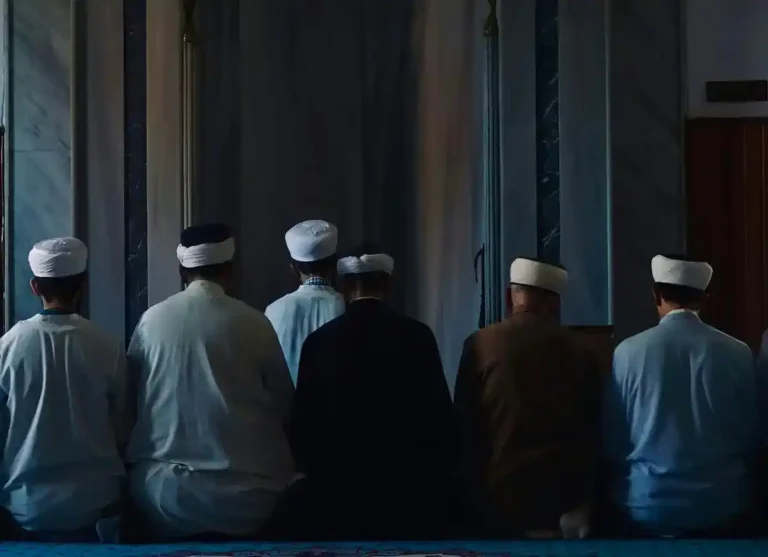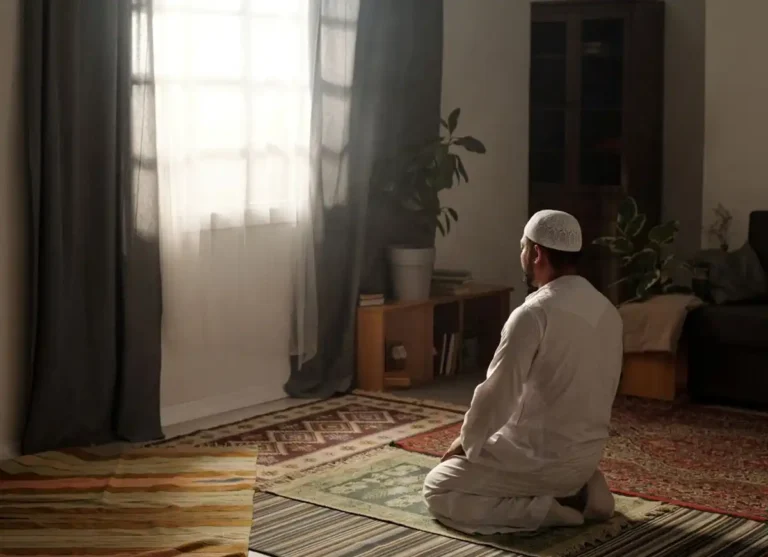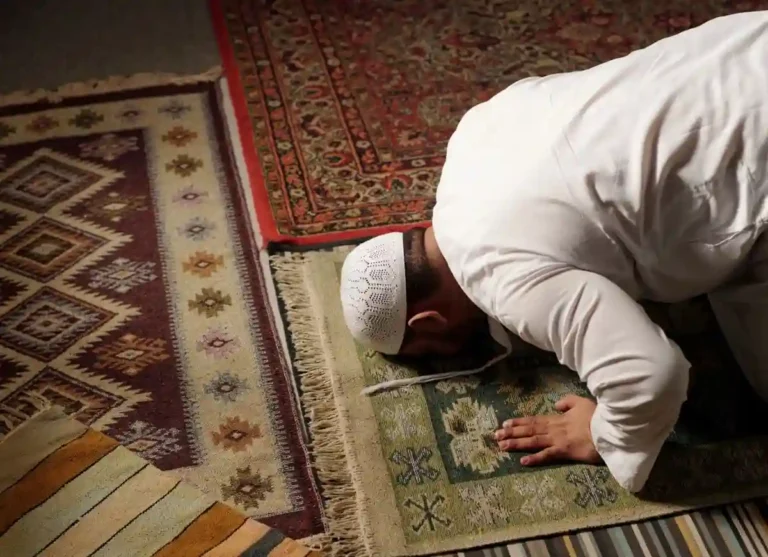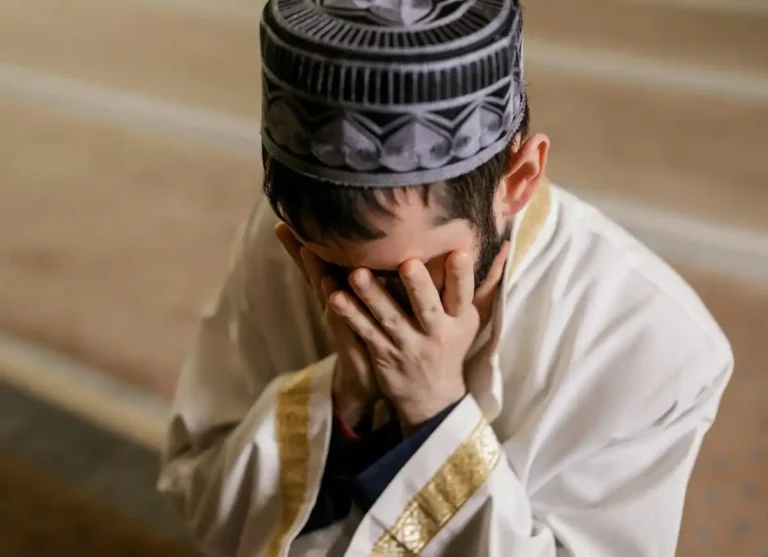


Salat of tahajjud often begins with a small, almost magical moment: you wake up in the quiet, the house is still, and your heart feels like it wants a private meeting with Allah. Many people don’t plan it. It happens after a hard day, a silent worry, or a hope you can’t explain. That’s where the night journey starts.
Amazon book picks (best-selling books)
What is Tahajjud Namaz in simple words?
If you’re asking what is tahajjud namaz, think of it as voluntary worship done during the night—after ‘Isha and before Fajr—often after sleeping for a while. People call it “tahajjud” or “tahajjud namaz,” and it’s part of a bigger idea: night worship (qiyam al-layl).
For a quick background definition, see Tahajjud (Wikipedia):
Why night worship feels like a “startup solution”
Daytime is crowded. Even your best intentions get pulled around by work, family, screens, and stress. Night worship solves that problem the way a smart startup solves chaos: it simplifies the environment. No audience. No noise. Just you and Allah—clear, focused, and honest.
Here’s what many people notice after a few weeks:
- A calmer mind before sleep
- Less emotional heaviness in the morning
- More sincere du‘a, fewer “empty words”
- Stronger consistency in daily Salat
Quran verses that support Tahajjud (Arabic + transliteration + meaning)
The Quran praises those who rise at night and turn to Allah with humility. Below are some of the most relevant verses for night worship and Tahajjud.
1) Surah Al-Isra (17:79)
Arabic: وَمِنَ ٱلَّيْلِ فَتَهَجَّدْ بِهِۦ نَافِلَةً لَّكَ عَسَىٰٓ أَن يَبْعَثَكَ رَبُّكَ مَقَامًۭا مَّحْمُودًۭا
Transliteration: Wa minal-layli fatahajjad bihi naafilatal-laka ‘asaa an yab‘athaka rabbuka maqaamam mahmoodaa.
Meaning: “And during the night, pray as an extra act; your Lord may raise you to a praised station.”
Quran reading page: https://quran.com/17/79
2) Surah As-Sajdah (32:16–17)
Arabic (32:16): تَتَجَافَىٰ جُنُوبُهُمْ عَنِ ٱلْمَضَاجِعِ يَدْعُونَ رَبَّهُمْ خَوْفًۭا وَطَمَعًۭا
Transliteration: Tatajaafaa junuubuhum ‘anil-madaaji‘i yad‘uuna rabbahum khawfan wa tama‘aa.
Meaning: “They leave their beds, calling upon their Lord in fear and hope…”
Quran reading page: https://quran.com/32/16-17
3) Surah Adh-Dhariyat (51:17–18)
Arabic: كَانُوا۟ قَلِيلًۭا مِّنَ ٱلَّيْلِ مَا يَهْجَعُونَ وَبِٱلْأَسْحَارِ هُمْ يَسْتَغْفِرُونَ
Transliteration: Kaanoo qaleelan minal-layli maa yahja‘oon, wa bil-ashaari hum yastaghfiroon.
Meaning: “They used to sleep little at night, and before dawn they sought forgiveness.”
Also Read; Root Words of Quran

Hadith references that explain the best time and method
The Prophet ﷺ described the night as a special time for du‘a and forgiveness. These narrations are often the foundation when scholars teach night prayer.
Arabic excerpt: «مَنْ يَدْعُونِي فَأَسْتَجِيبَ لَهُ… مَنْ يَسْتَغْفِرُنِي فَأَغْفِرَ لَهُ»
Transliteration: Man yad‘ooni fa-astajeeba lah… man yastaghfiruni fa-aghfira lah.
Meaning: Allah invites: “Who will call upon Me so I answer? Who seeks forgiveness so I forgive?”
Arabic excerpt: «صَلَاةُ اللَّيْلِ مَثْنَى مَثْنَى… فَأَوْتِرْ بِوَاحِدَةٍ»
Transliteration: Salaatul-layli mathnaa mathnaa… fa-awtir biwaahidah.
Meaning: “Night prayer is two by two… then end with Witr.”
3) Sahih Muslim 758b
Arabic (see full on source): (full text on the page)
Meaning: The depth of the night is a time of mercy and answered du‘a.
Best time for Tahajjud (easy to understand)
The night stretches from after ‘Isha until Fajr. Many scholars mention the last third of the night as the most special time for du‘a, repentance, and calm focus. But you don’t need perfection to begin.
Try one of these time options:
- 15–20 minutes before Fajr: easiest habit
- 30–60 minutes before Fajr: room for more rak‘ah and du‘a
- Earlier in the night: still valuable if mornings are hard
How to perform Tahajjud step-by-step
This is the simplest way to start, especially if you’re a beginner and don’t want stress.
Step-by-step checklist
- Pray ‘Isha, then sleep (if possible).
- Wake up before Fajr and make wudu.
- Pray 2 rak‘ah nafl (quiet, simple).
- Add 2 more rak‘ah if you can (two-by-two).
- Make du‘a in sujood and after salam.
- Pray Witr if it’s still due.
A small reminder: your goal is not “long.” Your goal is “repeatable.”
A quick Sunni madhhab note (Hanafi, Shafi‘i, Maliki)
Across Sunni schools, Tahajjud is recommended and loved. Differences usually appear around Witr style, not Tahajjud itself.
- Hanafi: Witr is strongly emphasized (often taught as wajib). Many pray 3 rak‘ah with one salam and recite du‘a al-qunut.
- Shafi‘i: Witr is a confirmed Sunnah with flexible forms (often one or three).
- Maliki: Witr is a stressed Sunnah and a steady nightly habit, with details varying by teaching.
For general context on Salat as a pillar of Islam, this Britannica overview is useful:
Du‘a in Tahajjud: what to say when it’s just you and Allah
Tahajjud du‘a doesn’t need fancy words. It needs truth. Speak in your own language if you forget Arabic. Then slowly add short duas as you learn. Many people find their most sincere du‘a comes after a few quiet sujood.
You can build your du‘a in three parts:
- Praise Allah (even one sentence)
- Ask forgiveness
- Ask for what you truly need (guidance, relief, halal rizq, healing)
Also, for helpful Islamic learning and reminders, you can visit www.quranmualim.com.
Short Tahajjud duas (Arabic + transliteration + meaning)
1) Dua for forgiveness
Arabic: رَبِّ اغْفِرْ لِي وَتُبْ عَلَيَّ
Transliteration: Rabbi-ghfir lee wa tub ‘alayya.
Meaning: “My Lord, forgive me and accept my repentance.”
2) Dua for guidance and steadiness
Arabic: اللَّهُمَّ اهْدِنِي وَسَدِّدْنِي
Transliteration: Allahumma ihdinee wa saddidnee.
Meaning: “O Allah, guide me and make me firm.”
3) Dua for ease
Arabic: اللَّهُمَّ اجْعَلْ لِي مِنْ أَمْرِي يُسْرًا
Transliteration: Allahumma-j‘al lee min amree yusrā.
Meaning: “O Allah, grant ease in my affairs.”
Hanafi scholars’ PDF book names (different picks for this focus keyword)
If you want Hanafi depth on Salat, nafl worship, and night prayer, these works are often available as PDFs in many libraries and study circles (names only, as requested):
- Khulasat al-Fatawa — Hanafi fatwa compilation
- Al-Fatawa al-Sirajiyyah — Siraj al-Din (Hanafi juristic collection)
- Nukat al-Fatawa — Hanafi legal notes/compilation
- Al-Tajrid — Hanafi-oriented fiqh discussions (classical tradition)
- Sharh al-Jami‘ al-Saghir — Hanafi commentary tradition on Imam Muhammad’s work
Categories: Namaz ,Zakat , Roza , Prayer , Hadith & Supplications

Conclusion
salat of tahajjud is not reserved for “perfect” worshippers. It’s for anyone who wants to restart the heart while the world is quiet. Begin with two rak‘ah. Protect the habit more than the length. When you miss a night, don’t quit—just return.
salat of tahajjud becomes your private strength: a steady practice that makes your daily Salat calmer, your du‘a clearer, and your faith harder to shake. Start tonight, and let the night teach you.
FAQs
1) What is tahajjud namaz?
It’s voluntary night prayer, usually after sleeping and before Fajr. It’s a form of night worship that helps a believer grow in sincerity and closeness to Allah.
2) How many rak‘ah should I pray for Tahajjud?
Start with 2 rak‘ah. You can add more in sets of two. Consistency matters more than quantity.
3) What if I can’t wake up for the last third of the night?
Pray earlier in the night, or set a short wake-up window before Fajr. A small habit done consistently beats a perfect plan that never happens.
4) Do I have to recite long surahs?
No. Recite what you know, even if it’s short. The goal is sincerity, not performance.
5) Is Tahajjud only for scholars and very religious people?
No. Tahajjud is for real people with real struggles. Even two rak‘ah with honest du‘a can change your direction.
“Similar Posts For You”
- Tahajjud: The Night Prayer Islam
- Best Time to Pray Tahajjud Namaz
- Can You Pray Tahajjud After Witr?
- Powerful Dua After Tahajjud Namaz
- How Many Rakats in Tahajjud Prayer?
- Can I Pray Tahajjud Without Sleeping?
- Is Tahajjud Sunnah or Nafl? Learn Islam
- How To Pray Tahajjud Prayer? Learn Islam
- Is Qiyam and Tahajjud Same? Learn Islam
- Doa Tahajud – Arabic & English Translation
- Virtues and The Benefits of Tahajjud Namaz
- Doa Sholat Tahajud (The Prophetic Supplication)
- How To Pray Tahajjud Namaz? (The Night Prayer)
- What Powerful Tahajjud Dua Acceptance Mean?
- How To Pray Tahajjud Step By Step? Learn Islam
- How To Read Tahajjud Prayer? A Step By Step Guide
- Prayer At Night (Tahajjud) – Bring You Lasting Peace
- Prayer For Tahajjud | How To Pray Tahajjud Namaz
- Last Third of The Night- Calculate The Last Third of The Night
- What is Tahajjud Namaz? (What, When, How) Complete Guide
- Tahajud Namaz Complete Guide (Time, Rakats, Duas, Benefits)
Recommended For You:
- How Many Rakats For Fajr Prayer?
- How Many Rakats For Zuhr Prayer?
- How Many Rakats For Asr Prayer?
- How Many Rakats For Maghrib Prayer?
- How Many Rakats For Isha Prayer?
- What Time is The Jummah Prayer?
- 6 Types of Sunnah Prayers In Islam
- How to Perform Salah (Complete Namaz)
- What is The Sitting Between in Khutbah Called?
- Salat | Physical Benefits of Salat Prayer PDF Download