

Surah An Naziat Transliteration and Benefits is one of the most searched topics among readers working through Quran Juz 30, especially those who want to recite this Makki chapter correctly without knowing Arabic script. Many students of the Quran struggle to pronounce Surah An-Nazi’at properly, and that gap is exactly what this guide fills.
A helpful Amazon Quran Book Bundle with transliteration and translation side-by-side can make this process much smoother for beginners: Shop Quran Translation Books on Amazon.
About Surah An-Nazi’at
Surah An-Nazi’at (النازعات) is the 79th chapter of the Holy Quran. Its name is often translated as “Those Who Pull Out” or “The Tidings,” and it contains 46 verses. It was revealed in Makkah, placing it among the Meccan surahs that focus heavily on the Hereafter and human accountability.
Also Read: The Clear Quran PDF Free Download – Quran Mualim 2025
| Detail | Information |
| Arabic Name | النازعات (An-Nazi’at) |
| English Meaning | The Tidings / Those Who Pull Out |
| Revelation Place | Makkah (Meccan) |
| Total Verses | 46 |
| Surah Number | 79 |
| Juz | 30 |
Surah An-Nazi’at Transliteration (Verses 1–46)
بِسْمِ اللَّهِ الرَّحْمَٰنِ الرَّحِيمِ
Bismillāhir-Raḥmānir-Raḥīm
كَأَنَّهُمْ يَوْمَ يَرَوْنَهَا لَمْ يَلْبَثُوٓا۟ إِلَّا عَشِيَّةً أَوْ ضُحَىٰهَا
Ka’annahum yawma yarawnahā lam yalbathū illā ‘ashiyyatan aw ḍuḥāhā
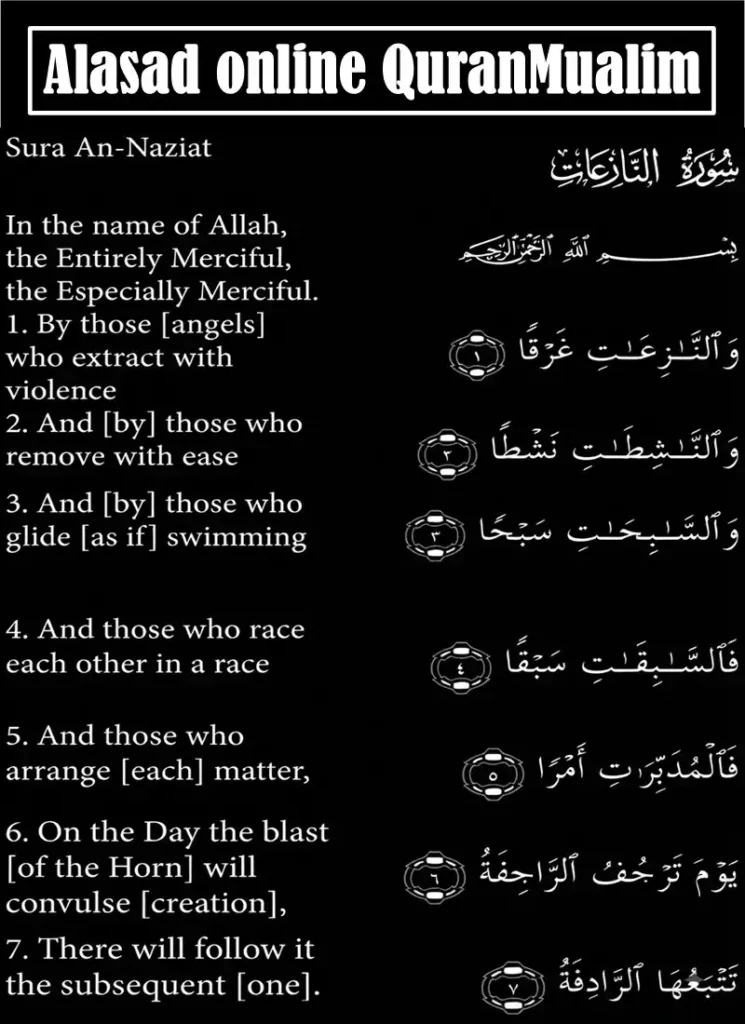
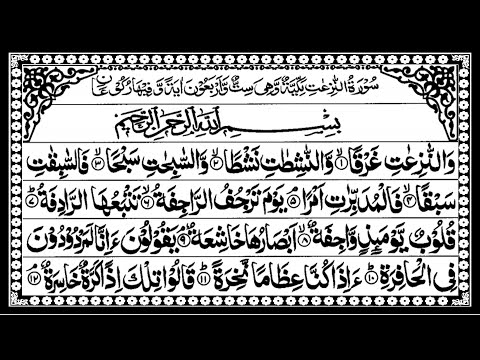
وَٱلنَّٰزِعَٰتِ غَرْقًا
Wa an-nāzi’āti gharqā
وَٱلنَّٰشِطَٰتِ نَشْطًا
Wa an-nāshiṭāti nashṭā
وَٱلسَّٰبِحَٰتِ سَبْحًا
Wa as-sābiḥāti sabḥā
فَٱلسَّٰبِقَٰتِ سَبْقًا
Fa as-sābiqāti sabqā
فَٱلْمُدَبِّرَٰتِ أَمْرًا
Fa al-mudabbirāti amrā
يَوْمَ تَرْجُفُ ٱلرَّاجِفَةُ
Yawma tarjufu ar-rājifah
تَتْبَعُهَا ٱلرَّادِفَةُ
Tatba’uhā ar-rādifah
قُلُوبٌۭ يَوْمَئِذٍۢ وَاجِفَةٌ
Qulūbun yawma’idhin wājifah
أَبْصَٰرُهَا خَٰشِعَةٌ
Abṣāruhā khāshi’ah
يَقُولُونَ أَءِنَّا لَمَرْدُودُونَ فِى ٱلْحَافِرَةِ
Yaqūlūna a’innā lamardūdūna fil-ḥāfirah
أَءِذَا كُنَّا عِظَٰمًۭا نَّخِرَةً
A’idhā kunnā ‘iẓāman nakhirah
قَالُوا۟ تِلْكَ إِذًۭا كَرَّةٌ خَاسِرَةٌ
Qālū tilka idhan karratun khāsirah
فَإِنَّمَا هِىَ زَجْرَةٌۭ وَٰحِدَةٌ
Fa innamā hiya zajratun wāḥidah
فَإِذَا هُم بِٱلسَّاهِرَةِ
Fa idhā hum bis-sāhirah
هَلْ أَتَىٰكَ حَدِيثُ مُوسَىٰ
Hal atāka ḥadīthu Mūsā
إِذْ نَادَىٰهُ رَبُّهُۥ بِٱلْوَادِ ٱلْمُقَدَّسِ طُوًى
Idh nādāhu rabbuhu bil-wādi al-muqaddasi ṭuwā
ٱذْهَبْ إِلَىٰ فِرْعَوْنَ إِنَّهُۥ طَغَىٰ
Idh-hab ilā Fir’awna innahu ṭaghā
فَقُلْ هَل لَّكَ إِلَىٰٓ أَن تَزَكَّىٰ
Fa qul hal laka ilā an tazakkā
وَأَهْدِيَكَ إِلَىٰ رَبِّكَ فَتَخْشَىٰ
Wa ahdiyaka ilā rabbika fatakhshā
فَأَرَىٰهُ ٱلْءَايَةَ ٱلْكُبْرَىٰ
Fa arāhu al-āyata al-kubrā
فَكَذَّبَ وَعَصَىٰ
Fa kadh-dhaba wa ‘aṣā
ثُمَّ أَدْبَرَ يَسْعَىٰ
Thumma adbara yas’ā
فَحَشَرَ فَنَادَىٰ
Fa ḥashara fanādā
فَقَالَ أَنَا۠ رَبُّكُمُ ٱلْأَعْلَىٰ
Fa qāla anā rabbukumu al-a’lā
فَأَخَذَهُ ٱللَّهُ نَكَالَ ٱلْءَاخِرَةِ وَٱلْأُولَىٰ
Fa akhadhahu allāhu nakāla al-ākhirati wal-ūlā
إِنَّ فِى ذَٰلِكَ لَعِبْرَةًۭ لِّمَن يَخْشَىٰ
Inna fī dhālika la’ibratan liman yakhshā
ءَأَنتُمْ أَشَدُّ خَلْقًا أَمِ ٱلسَّمَآءُ بَنَىٰهَا
A’antum ashaddu khalqan am as-samā’u banāhā
رَفَعَ سَمْكَهَا فَسَوَّىٰهَا
Rafa’a samkahā fa sawwāhā
وَأَغْطَشَ لَيْلَهَا وَأَخْرَجَ ضُحَىٰهَا
Wa aghṭasha laylahā wa akhraja ḍuḥāhā
وَٱلْأَرْضَ بَعْدَ ذَٰلِكَ دَحَىٰهَا
Wal-arḍa ba’da dhālika daḥāhā
أَخْرَجَ مِنْهَا مَآءَهَا وَمَرْعَىٰهَا
Akhraja minhā mā’ahā wa mar’āhā
وَٱلْجِبَالَ أَرْسَىٰهَا
Wal-jibāla arsāhā
مَتَٰعًۭا لَّكُمْ وَلِأَنْعَٰمِكُمْ
Matā’an lakum wa li’an’āmikum
فَإِذَا جَآءَتِ ٱلطَّامَّةُ ٱلْكُبْرَىٰ
Fa idhā jā’ati aṭ-ṭāmmatu al-kubrā
يَوْمَ يَتَذَكَّرُ ٱلْإِنسَٰنُ مَا سَعَىٰ
Yawma yatadhakkaru al-insānu mā sa’ā
وَبُرِّزَتِ ٱلْجَحِيمُ لِمَن يَرَىٰ
Wa burrizati al-jaḥīmu liman yarā
فَأَمَّا مَن طَغَىٰ
Fa ammā man ṭaghā
وَءَاثَرَ ٱلْحَيَوٰةَ ٱلدُّنْيَا
Wa āthara al-ḥayāta ad-dunyā
فَإِنَّ ٱلْجَحِيمَ هِىَ ٱلْمَأْوَىٰ
Fa inna al-jaḥīma hiya al-ma’wā
وَأَمَّا مَنْ خَافَ مَقَامَ رَبِّهِۦ وَنَهَى ٱلنَّفْسَ عَنِ ٱلْهَوَىٰ
Wa ammā man khāfa maqāma rabbihi wa nahā an-nafsa ‘ani al-hawā
فَإِنَّ ٱلْجَنَّةَ هِىَ ٱلْمَأْوَىٰ
Fa inna al-jannata hiya al-ma’wā
يَسْـَٔلُونَكَ عَنِ ٱلسَّاعَةِ أَيَّانَ مُرْسَىٰهَا
Yas’alūnaka ‘ani as-sā’ati ayyāna mursāhā
فِيمَ أَنتَ مِن ذِكْرَىٰهَا
Fīma anta min dhikrāhā
إِلَىٰ رَبِّكَ مُنتَهَىٰهَا
Ilā rabbika muntahāhā
إِنَّمَآ أَنتَ مُنذِرُ مَن يَخْشَىٰهَا
Innamā anta mundhiru man yakhshāhā
Also Read: Root word of Quran
The Problem: Why Readers Get Confused
Most Muslims can read the Arabic text of a Quran Surah but stumble on correct pronunciation, especially with unfamiliar words like “gharqā” or “nāshiṭāti.” Without proper transliteration, recitation becomes shaky, and the meaning behind the verses gets lost. This is a common issue across Juz 30.
The Insight: What This Surah Actually Teaches
Surah An-Nazi’at opens with the angels who take the souls of people at death, then moves into the story of Prophet Musa (AS) confronting Firawn’s arrogance. The surah closes with a reminder that only Allah knows when the Final Hour will arrive. Reading it slowly with correct transliteration helps the message sink in properly.
The Solution: A Simple Recitation Checklist
Use this checklist whenever you sit down to recite this surah:
- Read the transliteration line by line before attempting the Arabic script.
- Listen to a certified reciter alongside your reading.
- Understand the English meaning of each section, not just the sounds.
- Repeat difficult words like “sābiḥāti” and “mudabbirāti” separately.
- Keep a Holy Quran PDF or printed mushaf nearby for cross-checking.
Also Read: Read Quran Online For Free: Access Sacred Text
Selected Verses from Surah An-Nazi’at
Reading the meaning alongside the Arabic gives real depth to recitation. Here are two verses worth reflecting on:
- Surah An-Nazi’at, Ayah 24: Firawn declared himself the highest lord over his people, a claim that led straight to his downfall. Read on Alim.org
Hadith on Recitation and the Hereafter
A quick note before this section: several “benefit lists” circulating online attribute specific virtues to Surah An-Nazi’at without a verified chain in the six major Sunni hadith collections. Rather than repeat unverified claims, here are two authentic hadith on related themes:
- Sunan Abu Dawood 1469: The Prophet ﷺ encouraged believers to recite the Quran regularly, saying it intercedes for its companion on the Day of Judgment. View on Sunnah.com
Learning Tajweed Rules the Right Way
Understanding stopping points (waqf) and correct makharij (points of articulation) turns a mechanical Quran Download habit into a meaningful daily practice. For deeper fiqh grounding around recitation etiquette, these Hanafi references are widely available in Islamic libraries:
- Bahishti Zewar by Maulana Ashraf Ali Thanvi
- Nur-ul-Idah by Imam Shurunbulali
- Islahi Khutbat by Mufti Muhammad Taqi Usmani
Categories: PRAYER ,ALMS , SAWN & The Holy Quran, Quran Jaz 1- 114
Frequently Asked Questions
What does Surah An-Nazi’at mean?
It means “Those Who Pull Out,” referring to angels who take the souls of the dying, both gently and forcefully, depending on the person’s deeds.
How many verses does Surah An-Nazi’at have?
This Makki surah contains 46 verses and sits within the final section of the Quran, Juz 30.
Is Surah An-Nazi’at Meccan or Medinan?
It is a Meccan surah, revealed before the Prophet ﷺ migrated to Madinah, focusing on themes of the Hereafter.
What story is mentioned in this surah?
It recounts Prophet Musa’s (AS) mission to Firawn, whose arrogance and rejection of truth led to his destruction.
Where can I find a reliable transliteration for this surah?
Trusted mushaf apps, verified Quran PDF copies, or scholarly Islamic sites offer accurate transliteration alongside the Arabic text.
Free Download Quran in Arabic Google Drive Link
Final Thoughts
Learning Surah An Naziat Transliteration and Benefits is really about building a habit of reading with understanding, not just repetition. Take it one verse at a time, cross-check your pronunciation, and let the meaning guide your reflection. For more Quran Surahs, Tajweed lessons, and Juz 30 guides, keep exploring www.quranmualim.com.
You can also read more on Surah An-Nazi’at on Wikipedia and Islam on Britannica, or explore scholarly Q&A on IslamQA and community discussions on the Islamic Teachings Forum.
Alasad Online Quran Tutor | YouTube: @quranmualim | Quranmualim.com
Recommended For You
- Online Surah Yaseen Reading Made Easy
- Surah Yaseen PDF English, Arabic & Urdu
- Surah Yaseen MP3 Download & Free PDF
- Surah Yaseen Ayat 9 (36:9) PDF Download
- Surah Yaseen Urdu Tarjuma PDF Download
- Surah Yaseen in English PDF Free Download
- Surah Yaseen Transliteration PDF Download
- Surah Yaseen Roman English PDF Download
- Surah Yaseen Full PDF Arabic, Urdu & English
- Surah Yaseen Read Online in Arabic & English
- Spiritual and Emotional Benefits Surah Yaseen
- Surah Yaseen Full Online Read With Arabic Text
- Download Surah Yaseen With Urdu Translation
- Discover The Powerful Benefits of Surah Yaseen
- Surah Yaseen Transliteration Free PDF Download
- Surah Yaseen Complete PDF English, Arabic & Urdu
- Introduction to Surah Yaseen and Questions Answers
- Surah Yaseen With Tajweed And Big Letters PDF Download