
Surah e mulk complete guides are what most learners search for once they get tired of jumping between five different websites just to find the Arabic text, the transliteration, and the meaning together. This confusion is common, especially for new reciters trying to build a nightly habit without proper structure.
Before going further, here is a resource many students keep close for deeper study: Tafsir Ibn Kathir (Abridged).
What Surah e Mulk Covers
Surah Al Mulk is the 67th chapter of the Quran, with 30 verses revealed in Makkah. The word “Mulk” means sovereignty or dominion, and the entire chapter builds around one message: Allah alone holds full control over life, death, and everything created.
Learn Quran for Free
If reading the Arabic script still feels shaky, or Tajweed rules seem confusing, a free trial class with a qualified tutor can clear that up fast. One-on-one sessions let you fix pronunciation mistakes in real time, something a book or app alone cannot do. Alasad online Quran Tutor +923017363500
Surah e Mulk With Urdu Translation
For many households, understanding a surah in Urdu makes daily practice easier for the whole family. A short sample from the opening verse:
- Arabic: تَبَارَكَ الَّذِي بِيَدِهِ الْمُلْكُ
- Urdu: بابرکت ہے وہ ذات جس کے ہاتھ میں (ساری کائنات کی) بادشاہی ہے
- English: Blessed is He in whose hand is all sovereignty.
Reading the Urdu translation alongside the Arabic helps non-Arabic speaking families connect with the meaning without losing the rhythm of recitation.
Also Read: Read Quran Online For Free: Access Sacred Text

Surah Al Mulk — Arabic, Transliteration, and English Translation
Surah Al-Mulk (The Sovereignty) — 30 verses, meccan
| # | Arabic | Transliteration | English Translation |
| 1 | تَبَٰرَكَ ٱلَّذِي بِيَدِهِ ٱلۡمُلۡكُ وَهُوَ عَلَىٰ كُلِّ شَيۡءٖ قَدِيرٌ | Tabaraka allathee biyadihi almulku wahuwa ‘ala kulli shayin qadeerun | Blessed is He in whose hand is dominion, and He is over all things competent |
| 2 | ٱلَّذِي خَلَقَ ٱلۡمَوۡتَ وَٱلۡحَيَوٰةَ لِيَبۡلُوَكُمۡ أَيُّكُمۡ أَحۡسَنُ عَمَلٗاۚ وَهُوَ ٱلۡعَزِيزُ ٱلۡغَفُورُ | Allathee khalaqa almawta waalhayata liyabluwakum ayyukum ahsanu ‘amalan wahuwa al’azeezu alghafooru | [He] who created death and life to test you [as to] which of you is best in deed – and He is the Exalted in Might, the Forgiving |
| 3 | ٱلَّذِي خَلَقَ سَبۡعَ سَمَٰوَٰتٖ طِبَاقٗاۖ مَّا تَرَىٰ فِي خَلۡقِ ٱلرَّحۡمَٰنِ مِن تَفَٰوُتٖۖ فَٱرۡجِعِ ٱلۡبَصَرَ هَلۡ تَرَىٰ مِن فُطُورٖ | Allathee khalaqa sab’a samawatin tibaqan ma tara fee khalqi alrrahmani min tafawutin fairji’i albasara hal tara min futoorin | [And] who created seven heavens in layers. You do not see in the creation of the Most Merciful any inconsistency. So return [your] vision [to the sky]; do you see any breaks |
| 4 | ثُمَّ ٱرۡجِعِ ٱلۡبَصَرَ كَرَّتَيۡنِ يَنقَلِبۡ إِلَيۡكَ ٱلۡبَصَرُ خَاسِئٗا وَهُوَ حَسِيرٞ | Thumma irji’i albasara karratayni yanqalib ilayka albasaru khasian wahuwa haseerun | Then return [your] vision twice again. [Your] vision will return to you humbled while it is fatigued |
| 5 | وَلَقَدۡ زَيَّنَّا ٱلسَّمَآءَ ٱلدُّنۡيَا بِمَصَٰبِيحَ وَجَعَلۡنَٰهَا رُجُومٗا لِّلشَّيَٰطِينِۖ وَأَعۡتَدۡنَا لَهُمۡ عَذَابَ ٱلسَّعِيرِ | Walaqad zayyanna alssamaa alddunya bimasabeeha waja’alnaha rujooman lilshshayateeni waa’tadna lahum ‘athaba alssa’eeri | And We have certainly beautified the nearest heaven with stars and have made [from] them what is thrown at the devils and have prepared for them the punishment of the Blaze |
| 6 | وَلِلَّذِينَ كَفَرُواْ بِرَبِّهِمۡ عَذَابُ جَهَنَّمَۖ وَبِئۡسَ ٱلۡمَصِيرُ | Walillatheena kafaroo birabbihim ‘athabu jahannama wabisa almaseeru | And for those who disbelieved in their Lord is the punishment of Hell, and wretched is the destination |
| 7 | إِذَآ أُلۡقُواْ فِيهَا سَمِعُواْ لَهَا شَهِيقٗا وَهِيَ تَفُورُ | Itha olqoo feeha sami’oo laha shaheeqan wahiya tafooru | When they are thrown into it, they hear from it a [dreadful] inhaling while it boils up |
| 8 | تَكَادُ تَمَيَّزُ مِنَ ٱلۡغَيۡظِۖ كُلَّمَآ أُلۡقِيَ فِيهَا فَوۡجٞ سَأَلَهُمۡ خَزَنَتُهَآ أَلَمۡ يَأۡتِكُمۡ نَذِيرٞ | Takadu tamayyazu mina alghaythi kullama olqiya feeha fawjun saalahum khazanatuha alam yatikum natheerun | It almost bursts with rage. Every time a company is thrown into it, its keepers ask them, “Did there not come to you a warner |
| 9 | قَالُواْ بَلَىٰ قَدۡ جَآءَنَا نَذِيرٞ فَكَذَّبۡنَا وَقُلۡنَا مَا نَزَّلَ ٱللَّهُ مِن شَيۡءٍ إِنۡ أَنتُمۡ إِلَّا فِي ضَلَٰلٖ كَبِيرٖ | Qaloo bala qad jaana natheerun fakaththabna waqulna ma nazzala Allahu min shayin in antum illa fee dalalin kabeerin | They will say,” Yes, a warner had come to us, but we denied and said, ‘Allah has not sent down anything. You are not but in great error |
| 10 | وَقَالُواْ لَوۡ كُنَّا نَسۡمَعُ أَوۡ نَعۡقِلُ مَا كُنَّا فِيٓ أَصۡحَٰبِ ٱلسَّعِيرِ | Waqaloo law kunna nasma’u aw na’qilu ma kunna fee ashabi alssa’eeri | And they will say, “If only we had been listening or reasoning, we would not be among the companions of the Blaze |
| 11 | فَٱعۡتَرَفُواْ بِذَنۢبِهِمۡ فَسُحۡقٗا لِّأَصۡحَٰبِ ٱلسَّعِيرِ | Fai’tarafoo bithanbihim fasuhqan liashabi alssa’eeri | And they will admit their sin, so [it is] alienation for the companions of the Blaze |
| 12 | إِنَّ ٱلَّذِينَ يَخۡشَوۡنَ رَبَّهُم بِٱلۡغَيۡبِ لَهُم مَّغۡفِرَةٞ وَأَجۡرٞ كَبِيرٞ | Inna allatheena yakhshawna rabbahum bialghaybi lahum maghfiratun waajrun kabeerun | Indeed, those who fear their Lord unseen will have forgiveness and great reward |
| 13 | وَأَسِرُّواْ قَوۡلَكُمۡ أَوِ ٱجۡهَرُواْ بِهِۦٓۖ إِنَّهُۥ عَلِيمُۢ بِذَاتِ ٱلصُّدُورِ | Waasirroo qawlakum awi ijharoo bihi innahu ‘aleemun bithati alssudoori | And conceal your speech or publicize it; indeed, He is Knowing of that within the breasts |
| 14 | أَلَا يَعۡلَمُ مَنۡ خَلَقَ وَهُوَ ٱللَّطِيفُ ٱلۡخَبِيرُ | Ala ya’lamu man khalaqa wahuwa allateefu alkhabeeru | Does He who created not know, while He is the Subtle, the Acquainted |
| 15 | هُوَ ٱلَّذِي جَعَلَ لَكُمُ ٱلۡأَرۡضَ ذَلُولٗا فَٱمۡشُواْ فِي مَنَاكِبِهَا وَكُلُواْ مِن رِّزۡقِهِۦۖ وَإِلَيۡهِ ٱلنُّشُورُ | Huwa allathee ja’ala lakumu alarda thaloolan faimshoo fee manakibiha wakuloo min rizqihi wailayhi alnnushooru | It is He who made the earth tame for you – so walk among its slopes and eat of His provision – and to Him is the resurrection |
| 16 | ءَأَمِنتُم مَّن فِي ٱلسَّمَآءِ أَن يَخۡسِفَ بِكُمُ ٱلۡأَرۡضَ فَإِذَا هِيَ تَمُورُ | Aamintum man fee alssamai an yakhsifa bikumu alarda faitha hiya tamooru | Do you feel secure that He who [holds authority] in the heaven would not cause the earth to swallow you and suddenly it would sway |
| 17 | أَمۡ أَمِنتُم مَّن فِي ٱلسَّمَآءِ أَن يُرۡسِلَ عَلَيۡكُمۡ حَاصِبٗاۖ فَسَتَعۡلَمُونَ كَيۡفَ نَذِيرِ | Am amintum man fee alssamai an yursila ‘alaykum hasiban fasata’lamoona kayfa natheeri | Or do you feel secure that He who [holds authority] in the heaven would not send against you a storm of stones? Then you would know how [severe] was My warning |
| 18 | وَلَقَدۡ كَذَّبَ ٱلَّذِينَ مِن قَبۡلِهِمۡ فَكَيۡفَ كَانَ نَكِيرِ | Walaqad kaththaba allatheena min qablihim fakayfa kana nakeeri | And already had those before them denied, and how [terrible] was My reproach |
| 19 | أَوَلَمۡ يَرَوۡاْ إِلَى ٱلطَّيۡرِ فَوۡقَهُمۡ صَـٰٓفَّـٰتٖ وَيَقۡبِضۡنَۚ مَا يُمۡسِكُهُنَّ إِلَّا ٱلرَّحۡمَٰنُۚ إِنَّهُۥ بِكُلِّ شَيۡءِۭ بَصِيرٌ | Awalam yaraw ila alttayri fawqahum saffatin wayaqbidna ma yumsikuhunna illa alrrahmanu innahu bikulli shayin baseerun | Do they not see the birds above them with wings outspread and [sometimes] folded in? None holds them [aloft] except the Most Merciful. Indeed He is, of all things, Seeing |
| 20 | أَمَّنۡ هَٰذَا ٱلَّذِي هُوَ جُندٞ لَّكُمۡ يَنصُرُكُم مِّن دُونِ ٱلرَّحۡمَٰنِۚ إِنِ ٱلۡكَٰفِرُونَ إِلَّا فِي غُرُورٍ | Amman hatha allathee huwa jundun lakum yansurukum min dooni alrrahmani ini alkafiroona illa fee ghuroorin | Or who is it that could be an army for you to aid you other than the Most Merciful? The disbelievers are not but in delusion |
| 21 | أَمَّنۡ هَٰذَا ٱلَّذِي يَرۡزُقُكُمۡ إِنۡ أَمۡسَكَ رِزۡقَهُۥۚ بَل لَّجُّواْ فِي عُتُوّٖ وَنُفُورٍ | Amman hatha allathee yarzuqukum in amsaka rizqahu bal lajjoo fee ‘utuwwin wanufoorin | Or who is it that could provide for you if He withheld His provision? But they have persisted in insolence and aversion |
| 22 | أَفَمَن يَمۡشِي مُكِبًّا عَلَىٰ وَجۡهِهِۦٓ أَهۡدَىٰٓ أَمَّن يَمۡشِي سَوِيًّا عَلَىٰ صِرَٰطٖ مُّسۡتَقِيمٖ | Afaman yamshee mukibban ‘ala wajhihi ahda amman yamshee sawiyyan ‘ala siratin mustaqeemin | Then is one who walks fallen on his face better guided or one who walks erect on a straight path |
| 23 | قُلۡ هُوَ ٱلَّذِيٓ أَنشَأَكُمۡ وَجَعَلَ لَكُمُ ٱلسَّمۡعَ وَٱلۡأَبۡصَٰرَ وَٱلۡأَفۡـِٔدَةَۚ قَلِيلٗا مَّا تَشۡكُرُونَ | Qul huwa allathee anshaakum waja’ala lakumu alssam’a waalabsara waalafidata qaleelan ma tashkuroona | Say, “It is He who has produced you and made for you hearing and vision and hearts; little are you grateful |
| 24 | قُلۡ هُوَ ٱلَّذِي ذَرَأَكُمۡ فِي ٱلۡأَرۡضِ وَإِلَيۡهِ تُحۡشَرُونَ | Qul huwa allathee tharaakum fee alardi wailayhi tuhsharoona | Say, “It is He who has multiplied you throughout the earth, and to Him you will be gathered |
| 25 | وَيَقُولُونَ مَتَىٰ هَٰذَا ٱلۡوَعۡدُ إِن كُنتُمۡ صَٰدِقِينَ | Wayaqooloona mata hatha alwa’du in kuntum sadiqeena | And they say, “When is this promise, if you should be truthful |
| 26 | قُلۡ إِنَّمَا ٱلۡعِلۡمُ عِندَ ٱللَّهِ وَإِنَّمَآ أَنَا۠ نَذِيرٞ مُّبِينٞ | Qul innama al’ilmu ‘inda Allahi wainnama ana natheerun mubeenun | Say, “The knowledge is only with Allah, and I am only a clear warner |
| 27 | فَلَمَّا رَأَوۡهُ زُلۡفَةٗ سِيٓـَٔتۡ وُجُوهُ ٱلَّذِينَ كَفَرُواْ وَقِيلَ هَٰذَا ٱلَّذِي كُنتُم بِهِۦ تَدَّعُونَ | Falamma raawhu zulfatan seeat wujoohu allatheena kafaroo waqeela hatha allathee kuntum bihi tadda’oona | But when they see it approaching, the faces of those who disbelieve will be distressed, and it will be said, “This is that for which you used to call |
| 28 | قُلۡ أَرَءَيۡتُمۡ إِنۡ أَهۡلَكَنِيَ ٱللَّهُ وَمَن مَّعِيَ أَوۡ رَحِمَنَا فَمَن يُجِيرُ ٱلۡكَٰفِرِينَ مِنۡ عَذَابٍ أَلِيمٖ | Qul araaytum in ahlakaniya Allahu waman ma’iya aw rahimana faman yujeeru alkafireena min ‘athabin aleemin | Say, [O Muhammad], “Have you considered: whether Allah should cause my death and those with me or have mercy upon us, who can protect the disbelievers from a painful punishment |
| 29 | قُلۡ هُوَ ٱلرَّحۡمَٰنُ ءَامَنَّا بِهِۦ وَعَلَيۡهِ تَوَكَّلۡنَاۖ فَسَتَعۡلَمُونَ مَنۡ هُوَ فِي ضَلَٰلٖ مُّبِينٖ | Qul huwa alrrahmanu amanna bihi wa’alayhi tawakkalna fasata’lamoona man huwa fee dalalin mubeenin | Say, “He is the Most Merciful; we have believed in Him, and upon Him we have relied. And you will [come to] know who it is that is in clear error |
| 30 | قُلۡ أَرَءَيۡتُمۡ إِنۡ أَصۡبَحَ مَآؤُكُمۡ غَوۡرٗا فَمَن يَأۡتِيكُم بِمَآءٖ مَّعِينِۭ | Qul araaytum in asbaha maokum ghawran faman yateekum bimain ma’eenin | Say, “Have you considered: if your water was to become sunken [into the earth], then who could bring you flowing water |
Benefits Of Reciting Surah e Mulk
The virtues tied to this surah are one of the biggest reasons it holds such a permanent place in nightly routines:
- Protection from the punishment of the grave, when recited consistently before sleep
- Intercession on the Day of Judgment for the one who kept up the habit
- A steady reminder of Allah’s power over creation, life, and death
- Encourages reflection instead of rushed, mechanical recitation
- Manageable length, making it realistic even on busy nights
A surah e mulk benefits summary like this is often the first thing new reciters look up before committing to memorization.
Also Read: The Holy Quran PDF Free Downloads
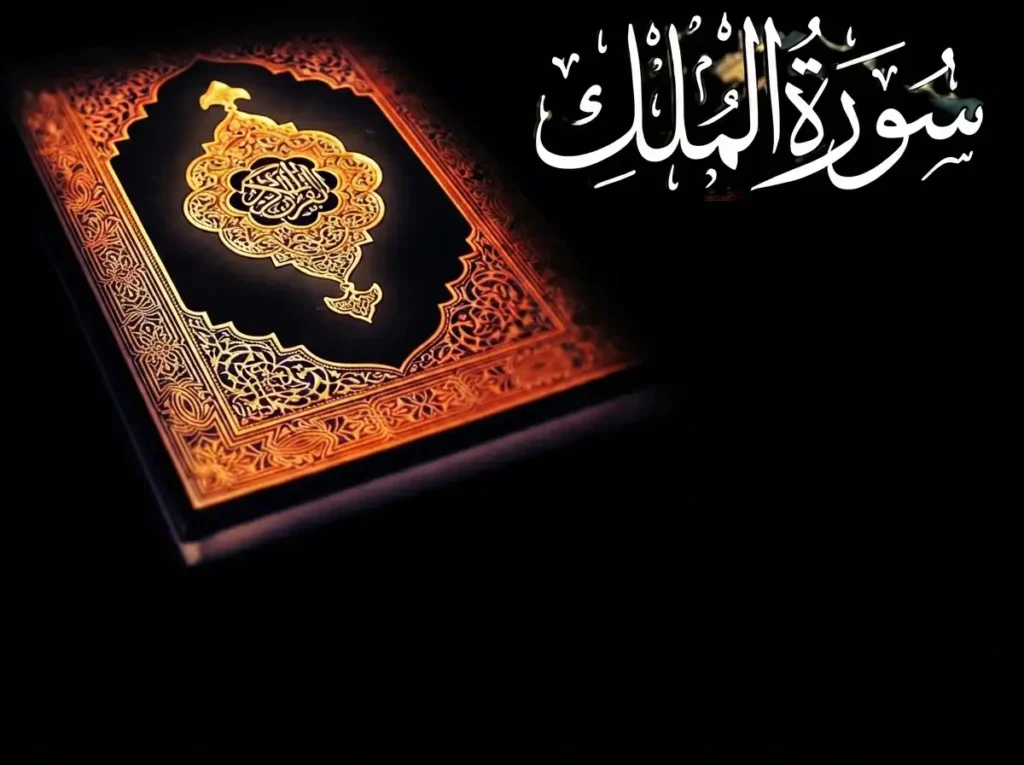
Most Relevant Quran Verses
Surah Al-Mulk, Ayah 1 — This verse opens the chapter by affirming that all authority and control belong entirely to Allah, over every single thing. Read on Alim.org
Hadith References
Sahih al-Bukhari — Narrations describe how certain surahs, recited nightly before sleep, were treated by the Prophet ﷺ as a consistent part of his personal worship routine. Read on Sunnah.com
A Quick Reference Table
| Aspect | Detail |
| Surah number | 67 |
| Total verses | 30 |
| Revealed in | Makkah |
| Best time to recite | Before sleeping |
| Core theme | Allah’s sovereignty over creation |
| Key benefit | Protection and intercession |
For classical fiqh background on recitation practices, students of Hanafi fiqh often turn to Bahishti Zewar, a widely referenced text found in many Islamic library archives as a PDF.
Building A Consistent Habit
Knowing the surah e mulk complete structure is only half the work. The other half is actually reciting it, night after night, until it becomes second nature. Start with just the Arabic and a short translation, then slowly add the transliteration and Urdu meaning as the habit builds.
For continued learning, the Islamic Teachings forum is a good place to ask translation-related questions, and IslamQA offers scholar-reviewed answers on recitation etiquette. Quranmualim.com regularly publishes complete surah guides like this one to make the process easier for learners at every level.
Historical And General Background
For readers curious about the Quran’s overall structure and translation history, Wikipedia offers general background, while Britannica covers how Quranic chapters were compiled and preserved over time.
Download the complete Holy Quran for free from our secure Google Drive link — available in clear Arabic text with full translation for easy reading.
Frequently Asked Questions
What does a complete Surah e Mulk guide usually include?
It typically includes the Arabic text, transliteration, English or Urdu translation, and the main virtues tied to nightly recitation.
Is it necessary to know Arabic to benefit from Surah e Mulk?
No, reading the translation alongside the Arabic still brings understanding and reflection, even without full Arabic fluency.
How long does Surah e Mulk take to recite?
On average, reciting all 30 verses takes about five to seven minutes, depending on pace and familiarity with the text.
Can children recite Surah e Mulk with Urdu translation?
Yes, starting with short verses and simple Urdu meanings helps children build the habit early, without feeling overwhelmed.
Why is nightly recitation recommended for this surah?
It follows the Prophet’s ﷺ own consistent practice and is linked to protection from the grave’s punishment in several hadith.
Final Thoughts
A surah e mulk complete approach brings the Arabic text, translation, and meaning together so the nightly habit becomes more than routine memorization. Once the words and their meaning connect, this short surah turns into one of the most rewarding minutes of the entire day. Start tonight, one verse at a time.
Similar Posts:
- Surah Hijr PDF English, Arabic & Urdu
- Surah Fath PDF English, Arabic & Urdu
- Surah Araf PDF English, Arabic & Urdu
- Surah Hud PDF English, Arabic & Urdu
- Surah Jinn PDF English, Arabic & Urdu
- Surah Insan PDF English, Arabic & Urdu
- Surah Imran PDF English, Arabic & Urdu
- Surah Hadid PDF English, Arabic & Urdu
- Surah Furqan PDF English, Arabic & Urdu
- Surah Ibrahim PDF English, Arabic & Urdu
- Surah e Yusuf PDF English, Arabic & Urdu
- Surah Baqarah PDF English, Arabic & Urdu
- Surah Mursalat PDF English, Arabic & Urdu
- Surah e Maryam PDF English, Arabic & Urdu
- Surah Ar Rahman PDF English, Arabic & Urdu