

2 rakat prayer is a simple unit of worship, but many Muslims still feel confused about when to pray it, what to recite, and what counts as a mistake. The good news is that Islam keeps it practical: learn the core actions, keep your intention clear, and follow a reliable fiqh method.
Amazon pick : A helpful beginner-friendly reference is The Fiqh of Prayer (Amazon) — see it here.
Why many Muslims get confused
Problem: People often mix up Sunnah vs Nafl, worry about Arabic, or overthink small details (hands, posture, loud/quiet recitation). Some also learn from random clips that disagree with their local masjid practice, which makes things worse.
Insight: The Qur’an keeps calling us back to establishing prayer, and the Prophet ﷺ taught prayer in a way ordinary people could copy.
Solution: Use one clear step-by-step method, then build consistency with small habits.
Categories: Namaz ,Zakat , Roza & Prayer , Hadith
What “two rak‘ahs” really mean
Two rak‘ahs are two cycles of salah. You stand, recite, bow, prostrate, and sit—twice. They appear in many places: Sunnah before Fajr, Nafl after wudu, Tahiyyat al-Masjid, Salat al-Tawbah, and more.
If you’re wondering how to pray 2 rakat, think of it like this: the skeleton is always the same, while the reason (Sunnah/Nafl) changes based on timing and intention.
Importance and benefits you actually feel
Prayer is not only a duty; it shapes your day. Even two rak‘ahs can reset the heart when life feels noisy.
Benefits people commonly notice:
- A calmer mind after a stressful moment
- Better control over habits and anger
- Stronger connection to Allah through regular remembrance
- A steady routine that protects your day from drifting
- Confidence in worship—because you’re not guessing anymore
Also Read: Namaz Dua (Masnoon Duain) PDF Download
For an overview of salah in Islam, you can read this Wikipedia page on Salah.
Two Qur’an references
Below are two relevant verses with transliteration, a short meaning, and Quran.com links.
- Surah Al-‘Ankabut (29:45)
Transliteration: Wa aqimiṣ-ṣalāh… innaṣ-ṣalāta tanhā ‘anil-faḥshā’i wal-munkar.
Meaning: Establish prayer—prayer helps restrain indecency and wrongdoing. - Surah Al-Baqarah (2:238)
Transliteration: Ḥāfiẓū ‘alaṣ-ṣalawāti waṣ-ṣalāt-il-wusṭā wa qūmū lillāhi qānitīn.
Meaning: Guard the prayers carefully and stand before Allah with devotion.
Two Hadith references
Here are two short, powerful hadith reminders (links from Sunnah.com).
- Sahih al-Bukhari 631
Meaning: The Prophet ﷺ taught: pray the way you have seen me pray.
Link: “Pray as you have seen me praying” (Bukhari 631) - Sahih Muslim 82b
Meaning: Abandoning prayer is a dangerously serious matter in faith.
Link: “Between a person and disbelief is abandoning the prayer” (Muslim 82b)
2 rak‘ahs—prayer step by step
Below is a clean, beginner-friendly flow. If you follow Hanafi practice, stick with what your masjid teaches and keep it consistent.
Step 1: Before you start
- Make wudu
- Face the qiblah
- Cover awrah and stand calmly
- Decide the intention in your heart (no need to speak it out loud)
Step 2: First rak‘ah
- Takbir: Raise hands (as you learned) and say Allahu Akbar
- Qiyam: Recite Surah Al-Fatihah, then a short surah
- Ruku: Bow and say Subhana Rabbiyal ‘Azim
- Stand up: Sami‘Allahu liman hamidah / Rabbana lakal hamd
- Sujood: Two prostrations with a short sitting between
Step 3: Second rak‘ah
Repeat the same pattern: Fatihah + surah, ruku, standing, and two sujood.
Step 4: Finish the prayer
- Sit for Tashahhud (At-tahiyyatu…)
- Send salawat on the Prophet PBUH
- Make a short dua
- End with salam to the right and left
That’s the practical answer to how to pray 2 rakat without turning it into a stressful checklist.
Suitable times to pray two rak‘ahs

Here’s a simple table you can screenshot and use.
| Occasion (2 rak‘ahs) | Suitable time | Simple note (Hanafi-friendly reminder) |
| Sunnah before Fajr | Before Fajr fard | Keep it short and consistent. |
| Nafl after wudu | Any permissible time | Great for building a habit after wudu. |
| Tahiyyat al-Masjid | When entering masjid | If iqamah starts, join the jama‘ah first. |
| Salat al-Tawbah | After sincere repentance | Two rak‘ahs, then heartfelt dua. |
| General Nafl | Day/night (permissible times) | Avoid disliked/prohibited times as taught locally. |
If you enjoy community Q&A and personal learning stories, you’ll sometimes see helpful discussions on http://www.studying-islam.org/
A reliable learning approach
If you’re improving your salah, choose one trusted track and stay on it:
- Learn the core actions first (standing, bowing, prostration, sitting)
- Memorize Al-Fatihah and 2–3 short surahs
- Fix one habit per week (focus, calm pace, posture)
- Ask a local teacher when you’re stuck, instead of collecting 10 opinions
For a clear overview of daily prayer as a pillar, Britannica’s summary is useful: Britannica’s article on salat.
If you want a practical online guide that also explains prayer types and basics, this is a solid starting point: Islamic Relief UK’s guide to Salah.
Hanafi fiqh book titles to look for (titles only)
- Nur al-Idah
- Maraqi al-Falah (Sharh Nur al-Idah)
- Al-Hidayah
- Al-Durr al-Mukhtar
- Bada’i al-Sana’i
Common mistakes beginners make
- Rushing through sujood like it’s a speed test
- Whispering so quietly you can’t hear your own recitation
- Forgetting the second surah (it’s okay—continue calmly)
- Overcorrecting small differences that don’t break the prayer
- Learning only from arguments instead of a teacher and a stable method
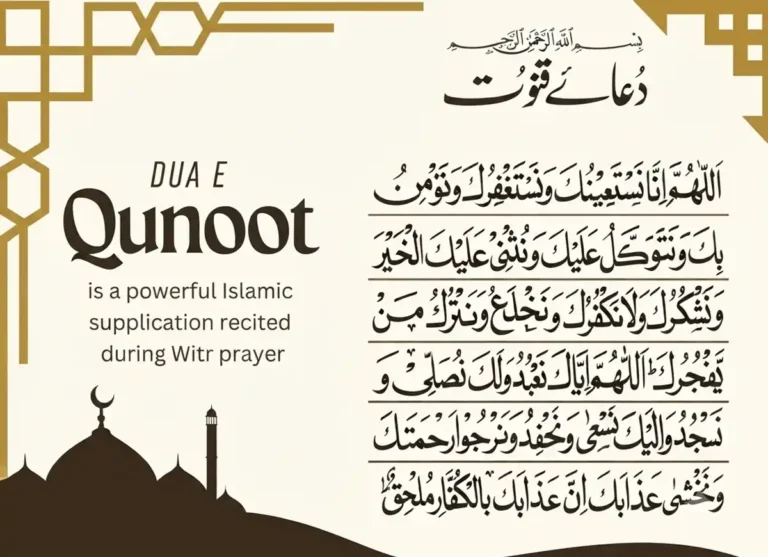
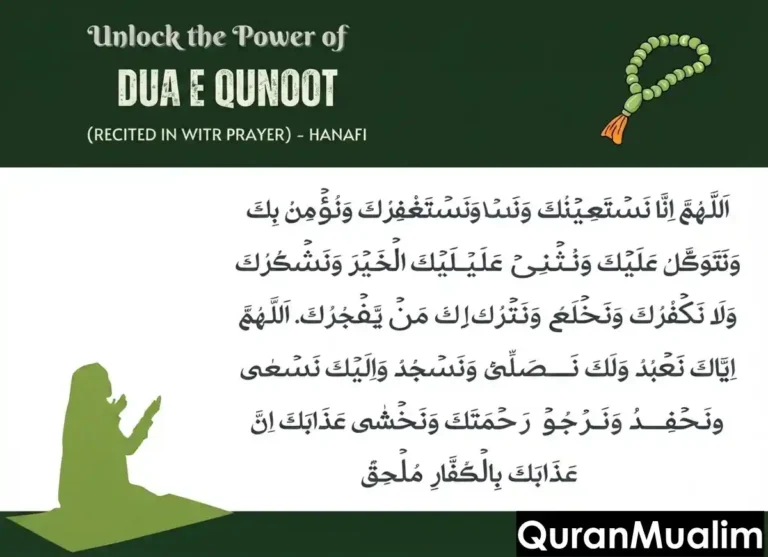
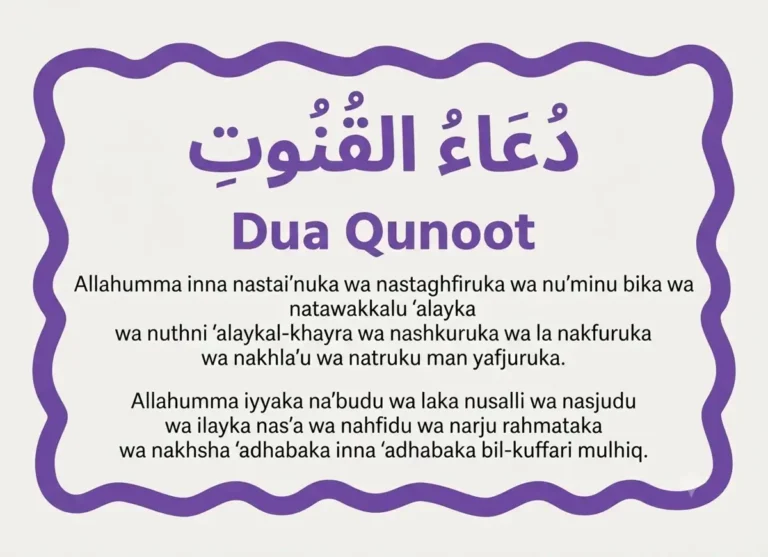
Also Read:Learn Dua Qunoot in Arabic Text PDF Download

FAQ
Is it okay if I don’t know long surahs yet?
Yes. Recite Al-Fatihah and any short surah you know. Keep learning slowly. Consistency matters more than length.
Can I pray two rak‘ahs for different reasons with one intention?
Usually, you choose one main intention. Some cases allow combining rewards, but ask a local scholar for your situation.
What if I forget the surah after Al-Fatihah?
Continue the prayer calmly. Don’t panic. You can recite a surah once you remember, as long as you’re still standing.
Do I have to say the intention out loud?
No. Intention is in the heart. Just know what you’re praying and why, then start with Allahu Akbar.
How can I build a daily habit without burnout?
Attach it to something stable—like after wudu or before sleep. Keep it short, same time, same place, and track it for two weeks.
Conclusion
The real win is not “perfecting” every tiny detail on day one. The win is showing up—calmly, consistently, and with sincerity. Once you know the steps, you’ll stop second-guessing and start enjoying the peace that prayer brings. Keep going, and you’ll feel the difference.
Recommended For You:
- 6 Types of Sunnah Prayers In Islam
- How to Perform Wudu Step by Step?
- How to Perform Fajr Prayer (صلاة الفجر)?
- How to Perform Zuhr Prayer – صَلَاة ٱلظُّهْر?
- How to Perform Asr Prayer- صلاة العصر)?
- How to Perform Maghrib Prayer- صلاة المغرب?
- How to Perform Isha Prayer-صلاة العشاء?
Recommended For You
- Quran Juz 1 to 30 List Free PDF Download
- Tracing Quran Juz 1-10 by Bil-Thikr Productions
- Tracing Quran Juz 11-20 by Bil-Thikr Productions
- Tracing Quran Juz 21-30 by Bil-Thikr Productions