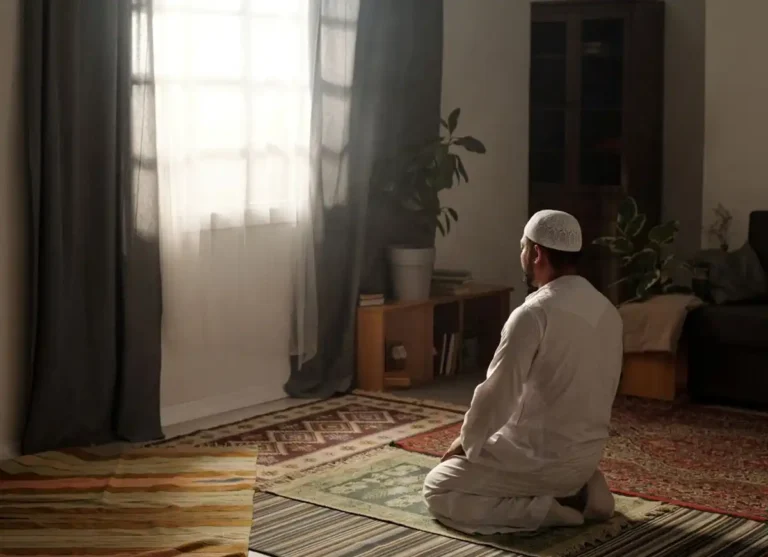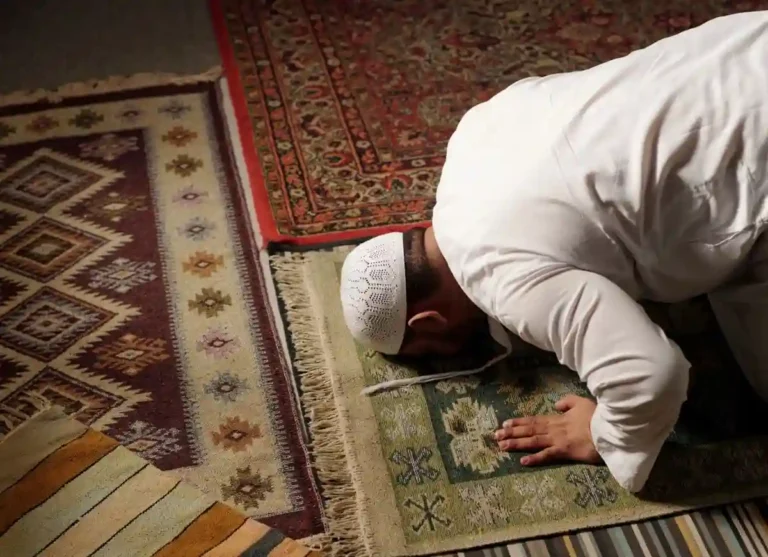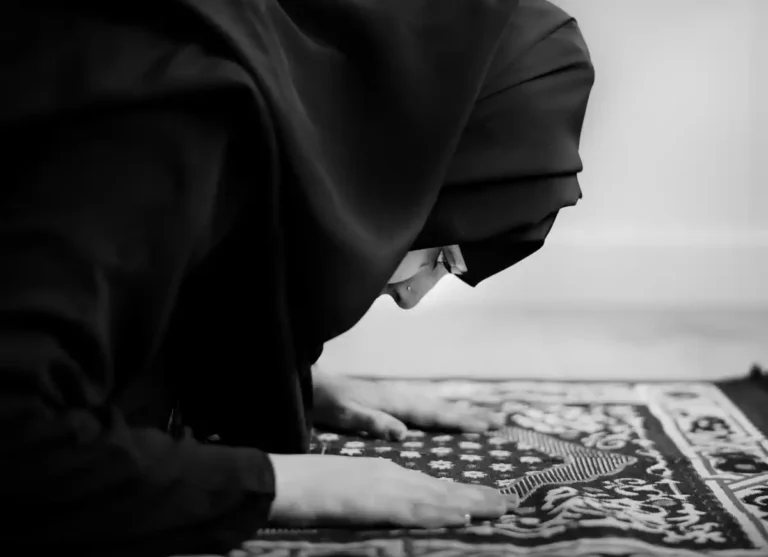


How to offer tahajjud namaz starts with one brave decision: getting up when your bed is winning the argument. It feels like launching a small startup after midnight—no spotlight, no noise, just you and a quiet hope that Allah will accept what the world will never see. If you’re new to it, don’t worry. You can begin simply and still begin correctly.
What is Tahajjud?
Tahajjud is a voluntary night prayer offered after ‘Isha and before Fajr, commonly after sleeping for part of the night. It’s not one of the five obligatory prayers, but it is a beloved Sunnah that brings calm, clarity, and a strong habit of du‘a.
Many learners also find easy guidance on Islamic education sites like www.quranmualim.com, especially when they want short, practical steps.
Quran Guidance for Night Prayer
A verse that names Tahajjud directly
In the Holy Quran Surah Al-Isra (17:79)
وَمِنَ ٱلَّيْلِ فَتَهَجَّدْ بِهِۦ نَافِلَةًۭ لَّكَ عَسَىٰٓ أَن يَبْعَثَكَ رَبُّكَ مَقَامًۭا مَّحْمُودًۭا
English Translation: “And from the night, pray with it as additional worship for you; it may be that your Lord will raise you to a praised station.” Reference quran.com/17/79
Why the night helps you focus
Allah says in the Holy Quran in Surah Al-Muzzammil (73:6)
إِنَّ نَاشِئَةَ ٱلَّيْلِ هِىَ أَشَدُّ وَطْـًۭٔا وَأَقْوَمُ قِيلًۭا
English Translation: “Indeed, worship in the night is more impactful and more suitable for recitation.” quran.com/73/6
A picture of people who leave their beds for Allah
In Quran Surah As-Sajdah (32:16)
Arabic: تَتَجَافَىٰ جُنُوبُهُمْ عَنِ ٱلْمَضَاجِعِ يَدْعُونَ رَبَّهُمْ خَوْفًۭا وَطَمَعًۭا
English Translation: “They rise from their beds, calling upon their Lord in fear and hope…” quran.com/32/16
Hadith Guidance
The Prophet ﷺ explained the structure
In Hadith Book Sahih al-Bukhari (1137)
صَلَاةُ اللَّيْلِ مَثْنَى مَثْنَى، فَإِذَا خِفْتَ الصُّبْحَ فَأَوْتِرْ بِوَاحِدَةٍ
English Translation : “The night prayer is two by two, and if you fear dawn, then pray one rak‘ah as Witr.” sunnah.com/bukhari:1137
Why late night du‘a feels so alive
Sahih Muslim (758b)
مَنْ يَدْعُونِي فَأَسْتَجِيبَ لَهُ… مَنْ يَسْتَغْفِرُنِي فَأَغْفِرَ لَهُ
English Translation “Who will supplicate Me so that I may answer him… who will seek My forgiveness so that I may forgive him?” sunnah.com/muslim:758b
Also Read; Root Words of Quran

Step-by-Step: How to Offer Tahajjud the Simple Way
Here’s a beginner method you can actually follow without panic.
Step 1: Pray ‘Isha first
Tahajjud happens after ‘Isha. That’s the base. If you missed ‘Isha, pray it first, then think about Tahajjud. This keeps the whole night prayer in the right order.
Step 2: Sleep a little (if you can)
Many people connect “tahajjud” with praying after waking up. If you didn’t sleep, you can still pray night prayer, but sleeping first makes it feel like classic Tahajjud for most people. Either way, don’t let a technical detail block worship.
Step 3: Wake up and make wudu
Keep it light. Wash up, refresh your mouth, and stand somewhere quiet. Don’t aim for perfection. Aim for presence. If you’re tired, even a short wudu and a short prayer can be a powerful start.
Step 4: Make intention (niyyah) quietly
You don’t need to speak out loud. Just decide in your heart: “I’m praying voluntary night prayer for Allah.” That’s enough. Then begin like any normal salah: Takbir, recitation, ruku, and sujood.
Step 5: Pray in pairs of two rak‘ahs
This is the key Sunnah pattern: 2 + 2 + 2, as much as you can handle.
A simple plan:
- Minimum: 2 rak‘ahs
- Comfortable habit: 4 rak‘ahs
- Stronger routine: 6, 8 or 12 rak‘ahs
Step 6: Make du‘a after you finish
When you end your last two rak‘ahs, sit and speak to Allah. Be plain. Be specific. If you don’t know what to say, start with forgiveness, then guidance, then your most urgent needs. The late night is made for honest words.
Where Witr Fits
If you expect to wake up for Tahajjud, many scholars recommend making Witr the last prayer of the night. If you fear you won’t wake, pray Witr after ‘Isha so you don’t miss it, and if you wake later, pray extra nafl without repeating Witr.
A clear Hanafi explanation that Tahajjud is prayed like normal two-rak‘ah salah (and can be increased in twos) is mentioned here: Performing Tahajjud Salaah . islamqa.org/
Categories: Namaz ,Zakat , Roza , Prayer , Hadith & Supplications
A Short Note for Readers Searching Urdu Guidance
Many people search for how to offer tahajjud namaz in Urdu because they want steps in familiar wording. Here are simple Urdu phrases you can remember:
- Niyyah (نیت): “میں دو رکعت نمازِ تہجد اللہ کے لیے پڑھتا/پڑھتی ہوں”
- Method: “دو دو رکعت پڑھیں”
- Time: “عشاء کے بعد، فجر سے پہلے”
A Small “Startup Routine” to Make It Stick
If you want Tahajjud to become real, keep your first version small and repeatable.
Try this 10–12 minute plan for two weeks:
- Wake up 25 minutes before Fajr
- Pray 2 rak‘ahs calmly
- Make 3 minutes of du‘a
- Prepare for Fajr without rushing
This routine grows naturally because it doesn’t demand too much too soon.
One Amazon Book for Night Worship Motivation
If you like a short reference book you can keep near your prayer space, this is a focused option:
Qiyam ul Layl (The Night Prayer) — Amazon
Hanafi Scholar PDF Book Names for Deeper Study
If you want traditional Hanafi fiqh references (often available in PDF through Islamic libraries and publishers), here are strong classics—different from the earlier list:
- Al-Ikhtiyār li Ta‘līl al-Mukhtār
- Al-Multaqā al-Abḥur
- Al-Baḥr al-Rā’iq
- Fatāwā Qāḍī Khān
- Tuhfat al-Fuqahā’
Conclusion: Start Small, but Start for Real
When people ask how to offer tahajjud namaz, they usually want confidence, not complexity. Here’s the truth: two rak‘ahs done sincerely can change your night, and a night habit can change your life. Keep it simple. Keep it steady. Let the quiet hours build a stronger you.
And if you miss a night, don’t quit. Restart. That’s how the strongest worship routines are made. how to offer Tahajjud Namaz isn’t a mystery once you take the first step. Tonight, take it.
FAQs
Do I have to sleep before Tahajjud?
Sleeping first is common for Tahajjud, but night prayer is valid even without sleep. Don’t let terminology stop your worship.
What is the minimum number of rak‘ahs?
Two rak‘ahs is the minimum. Pray them calmly, then make du‘a. You can increase later as your routine becomes easier.
Can I pray Tahajjud every night?
Yes, if it doesn’t harm your sleep or responsibilities. Even a few nights weekly is excellent. Consistency matters more than intensity.
What should I recite if I only know short surahs?
Recite Al-Fatihah with short surahs like Al-Ikhlas, Al-Falaq, and An-Nas. Recite what you know with meaning and focus.
Is the last third of the night really better?
Many hadith encourage late-night du‘a and worship. If you can manage it, it often brings deeper focus and a calmer heart.
Similar Posts
- Can I Pray Tahajjud Without Sleeping?
- How Do You Pray Tahajjud? (Step-by-Step Guide)
- Virtues and The Benefits of Tahajjud Namaz
- Can You Pray Tahajjud After Witr?
- Best Time to Pray Tahajjud Namaz
- Powerful Dua After Tahajjud Namaz
- How Many Rakats in Tahajjud Namaz?
- Dua for Tahajjud (Powerful Supplication)
- Tahajjud Dua: Prophetic Supplications for Night Prayer
- Tahajud Namaz Complete Guide (Time, Rakats, Duas, Benefits)
Recommended For You:
- How Many Rakats For Fajr Prayer?
- How Many Rakats For Zuhr Prayer?
- How Many Rakats For Asr Prayer?
- How Many Rakats For Maghrib Prayer?
- How Many Rakats For Isha Prayer?
- What Time is The Jummah Prayer?
- How to Perform Salah (Complete Namaz)
- What is The Sitting Between in Khutbah Called?
- Salat | Physical Benefits of Salat Prayer PDF Download