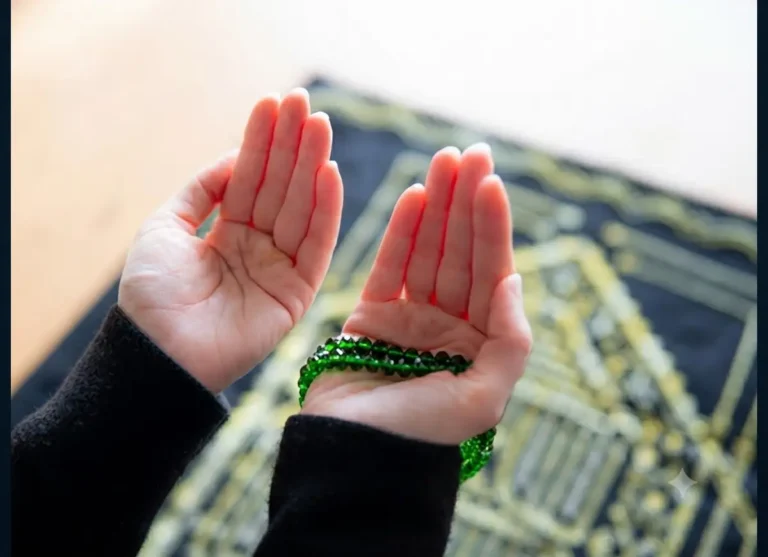


Dua after tahajjud namaz feels like the quiet moment when the whole world is asleep, and your heart finally gets to speak without interruption. It’s a little like launching a startup in secret. No audience. No applause. Just you, a small “team” of intentions, and the hope that Allah will open a door you can’t open by effort alone.
Why This Du‘a Moment Is So Special
Tahajjud is already a gift, but the du‘a that follows it often feels even more personal. You’ve just stood, bowed, and prostrated. Your mind is softer. Your ego is quieter. That’s why many people save their most important requests for the end of the night.
The Quran teaches that Allah is close to the one who calls on Him, especially with sincerity. This is not a “magic time.” It’s a mercy time—where honesty comes easier and distractions are fewer.
Also Read: Most Powerful Dua For Instant Miracle
Quran Foundations for Du‘a After Night Prayer
Allah promises closeness to the one who calls
Surah Al-Baqarah (2:186)
Arabic (excerpt): فَإِنِّي قَرِيبٌ ۖ أُجِيبُ دَعْوَةَ الدَّاعِ إِذَا دَعَانِ
English: “I am truly near. I respond to the prayer of the supplicant when they call upon Me.” Reference: quran.com/al-baqarah/186
This verse is simple and powerful. It removes the feeling that you must “earn” Allah’s attention. You call, and He hears—especially when your heart is awake.
Allah invites you to ask—and warns against pride
Surah Ghafir (40:60)
Arabic (excerpt): ٱدْعُونِيٓ أَسْتَجِبْ لَكُمْ
English: “Call upon Me; I will respond to you.” Reference: quran.com/ghafir/60
Tahajjud du‘a isn’t only for “big problems.” It’s also for daily needs, inner healing, guidance, and protection—anything that matters to you.
Tahajjud is named in the Quran itself
Surah Al-Isra (17:79)
Arabic (excerpt): وَمِنَ ٱلَّيْلِ فَتَهَجَّدْ بِهِۦ نَافِلَةًۭ لَّكَ
English: “And rise at part of the night, offering additional prayers…” Reference: quran.com/al-isra/79
That one line makes it clear: this worship is real, recognized, and meaningful. Your du‘a after it is not random. It is built on a Sunnah-shaped foundation.
Hadith Proof: The Night Is an Open Door
The last third of the night is a special window
Sahih al-Bukhari (1145)
Arabic (excerpt): مَنْ يَدْعُونِي فَأَسْتَجِيبَ لَهُ
English (excerpt): “Who will call upon Me so that I may answer him? ” Reference: sunnah.com/bukhari:1145
This hadith is why people love the late night. It builds hope. It also builds courage to ask for what you usually hide—your fears, regrets, and dreams.
The Prophet ﷺ began night prayer with praise
Sahih al-Bukhari (1120)
Arabic (excerpt): اللَّهُمَّ لَكَ الْحَمْدُ أَنْتَ نُورُ السَّمَاوَاتِ وَالأَرْضِ
English (excerpt): “O Allah, to You belongs all praise; You are the Light of the heavens and the earth…” Reference: sunnah.com/bukhari:1120
This teaches a beautiful habit: start your du‘a with praise, not panic. Begin by remembering who Allah is—then ask.
A powerful du‘a of forgiveness to use after Tahajjud
Sahih al-Bukhari (6306)—Sayyid al-Istighfar
Arabic (excerpt): اللَّهُمَّ أَنْتَ رَبِّي لَا إِلَهَ إِلَّا أَنْتَ
English (excerpt): “O Allah, You are my Lord; none has the right to be worshipped except You…”
Reference: sunnah.com/bukhari:6306
After tahajjud prayer dua, many people naturally feel ready to repent. This du‘a gives that repentance strong words—without drama, without excuses.
Also Read: Learn Dua Qunoot in Arabic Text PDF Download

What to Say After Tahajjud (Simple, Practical, Real)
A “3-part” structure that keeps your du‘a focused
When you don’t know what to say, use this simple flow:
- Praise Allah (short and sincere)
- Ask forgiveness (for known and unknown sins)
- Ask your needs (dunya + akhirah)
This structure stops your mind from spiraling. It also keeps your du‘a balanced—heart, life, and hereafter together.
Also Read: Subhanallahi Wa Bihamdihi Subhanallahil Azeem Meaning in English
Short Qur’anic du‘as that fit perfectly after Tahajjud
These are easy to repeat and deeply meaningful:
- Family and righteous legacy (25:74)
Arabic: رَبَّنَا هَبْ لَنَا مِنْ أَزْوَاجِنَا وَذُرِّيَّاتِنَا قُرَّةَ أَعْيُنٍ
English: “Our Lord, grant us spouses and offspring who will be a joy to our hearts…”
Reference: quran.com/al-furqan/74 - Hope after mistakes (39:53)
Arabic (excerpt): لَا تَقْنَطُوا مِنْ رَحْمَةِ اللَّهِ
English (excerpt): “Do not despair of Allah’s mercy…”
Reference: quran.com/az-zumar/53
If you’re collecting tahajjud duas, Qur’anic du‘as are a safe place to begin. They’re short, authentic, and full of meaning.
Etiquette That Makes Du‘a Feel Deeper
The best advice here is not complicated. It’s about presence.
Try these adab (manners) after Tahajjud:
- Face the qiblah if you can
- Raise your hands and ask with humility
- Keep your voice low and sincere
- Repeat key requests (3 times is common)
- End with salawat on the Prophet ﷺ
If you want a simple overview of du‘a as a concept, including how Muslims use it beyond formal salah, this page is a helpful background: Du‘a (supplication) — Wikipedia.
Also, many learners benefit from a practical fatwa-style explanation of Tahajjud and its time window. This guide is clear and beginner-friendly: How to perform the Tahajjud prayer — IslamWeb.
Categories: Namaz ,Zakat , Roza, Prayer , Hadith & Supplications
A Gentle “Night Routine” You Can Keep
Here’s a routine that works even when you’re tired:
- Pray 2 rak‘ahs of Tahajjud
- Sit for one minute and breathe
- Make du‘a in your own words (2–4 minutes)
- Read one Qur’anic du‘a (like 25:74)
- End with istighfar, then prepare for Fajr
This is how people build a habit. Not by doing the longest prayer. By doing the most repeatable one.
Hanafi PDF Book Suggestions for Deeper Study
If you want reliable Hanafi scholarship in book form, these classical works are widely taught, and PDF editions are commonly available through Islamic libraries and publishers:
- Al-Hidayah—Burhan al-Din al-Marghinani (Hanafi fiqh classic)
- Radd al-Muhtar ‘ala al-Durr al-Mukhtar—Ibn ‘Abidin (detailed Hanafi legal commentary)
- Bada’i al-Sana’i—al-Kasani (deep Hanafi reasoning and structure)
- Sharh Ma‘ani al-Athar—Imam al-Tahawi (hadith-based fiqh discussions)
- Al-Durr al-Mukhtar—al-Haskafi (core Hanafi manual)
And for readers looking for practical Islamic learning articles and resources, many people also benefit from sites like www.quranmualim.com for beginner-friendly guidance.
A Helpful Amazon Resource for Night Du‘a
If you like keeping a small reference book near your prayer space, you can browse options here: dua after tahajjud namaz.
Also Read: Meaning and Translation of Allahu Alam (الله اعلم )

Conclusion: Your Du‘a Is Not Small When It’s Honest
You don’t need perfect Arabic. You don’t need a dramatic voice. You need truth. The quiet minutes after Tahajjud are where truth shows up—when you finally admit what you want, what you fear, and what you’re trying to become.
Bring your real self to Allah, night after night. Keep it simple. Keep it steady. And watch how doors open—sometimes in your life, and sometimes inside your heart.
Also Read: Word-by-Word Quran PDF Download
FAQs
What is the best thing to ask for after Tahajjud?
Start with forgiveness, then ask for guidance, protection, and whatever your life truly needs. Keep one “main request” and repeat it sincerely.
Do I need to make du‘a in Arabic after Tahajjud?
No. Arabic is beautiful, but Allah understands every language. Use Arabic du‘as you know, and speak to Allah in your own words too.
How long should I make du‘a after night prayer?
Even 2–5 minutes can be powerful. Consistency matters more than length. If you have energy, extend it—if not, keep it steady.
Can I make du‘a in sujood during Tahajjud?
Yes. Sujood is a strong time for du‘a. Ask calmly, with humility, and don’t rush your words.
What if I don’t feel emotional during Tahajjud du‘a?
That’s normal. Not every night feels the same. Keep showing up. Sincerity is not measured by tears—it’s measured by honesty and return.
Similar Posts:
- Can I Pray Tahajjud Without Sleeping?
- Can You Pray Tahajjud Without Sleeping?
- How Do You Pray Tahajjud? Learn Islam
- Virtues and The Benefits of Tahajjud Namaz
- Can you pray Tahajjud after Witr? Learn Islam
- What is the best time to pray Tahajjud Namaz?
- Dua For Tahajjud – Powerful Tahajjud Supplication
- Tahajjud Dua—Prophetic Supplications For Night Prayer
- Dua After Tahajjud Salah – This Can Change Your Destiny!
Recommended For You:
- How Many Rakats for Fajr Prayer?
- How Many Rakats For Zuhr Prayer?
- How Many Rakats For Asr Prayer?
- How Many Rakats For Maghrib Prayer?
- How Many Rakats For Isha Prayer?
- What time is The Jummah Prayer?
- How to Perform Salah (Complete Namaz)
- What is The Sitting Between in Khutbah Called?
- Salat | Physical Benefits of Salat Prayer PDF Download