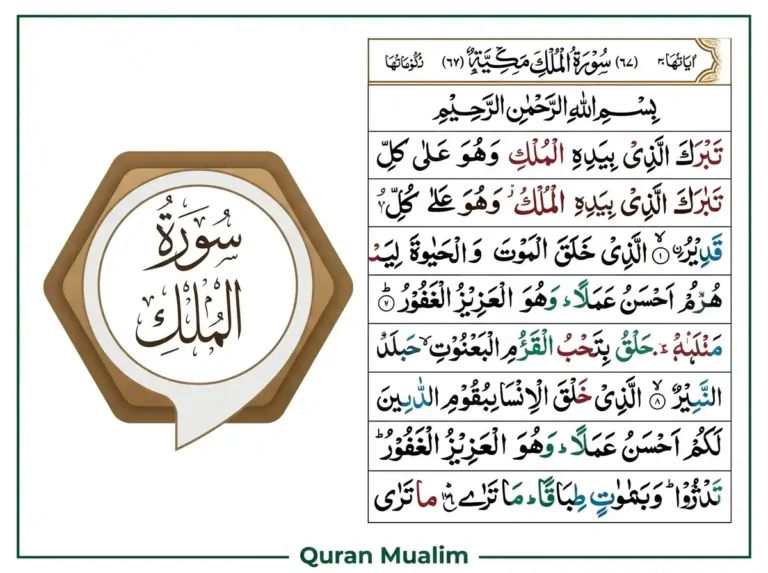


This Surah Isra focus on some important moral,religious and spiritual principles. In this Article We will learn about Surah Al-Isra’, Translations, Benefits, Tafseer, PDF. Surah Al-Isra’ focus that human beings always need spiritual, Holy, charming, lovely and heavenly guidance.
Without the guidance of Allah Almighty, humans’ beings end up in evil, evils, shatain, sin and misery. Human beings must have good relations with all people and live in a society built on the principles of faith, love, Affection, justice and morality.
The Surah Al-Isra’ tells us about the evils, devils of pride and arrogance and urges human beings to reflect on Allah’s Almighty signs and be humble before Him in prayers.Surah Al-Isra’
Main Sections:
• Surah Al-Isra-The Qur’an is inimitable.
• Surah Al-Isra’-Isra’ journey of the Prophet to Jerusalem.
• Surah Al-Isra’-Mora, religious,l and spiritual principles are emphasized
• Surah Al-Isra’-Emphasis on prayers, and on the reading of the Qur’an.
• Surah bani israel’-Tawhid is the basic, Important message of the Noble Qur’an.
• Surah bani israel’-Non-believers have lame arguments against accepting the Prophets.
• Surah bani israel’-Human beings are hasty. Reward and punishment all have their time.
• Surah Al-Isra’-Everyone will be brought on the Day of Judgement with his/her own deeds.
• Surah bani israel, ’-Satan’s pride, arrogance against man and his pledge to mislead human beings.
• Surah bani israel’-The attitude of Pharaoh towards The Messenger of Allah Moses and the signs that he showed.
Surah Al-Isra (The Night Journey) – Verses 1-40
Chapter 17 of the Quran – First 40 Verses (Meccan Surah)
| Verse | Arabic Text | Transliteration | English Translation |
| 1 | سُبْحَانَ الَّذِي أَسْرَىٰ بِعَبْدِهِ لَيْلًا مِّنَ الْمَسْجِدِ الْحَرَامِ إِلَىٰ الْمَسْجِدِ الْأَقْصَىٰ الَّذِي بَارَكْنَا حَوْلَهُ لِنُرِيَهُ مِنْ آيَاتِنَا ۚ إِنَّهُ هُوَ السَّمِيعُ الْبَصِيرُ | Subḥān al-ladhī asrā bi-‘abdihi laylān min al-masjid al-ḥarām ilā al-masjid al-aqṣā al-ladhī bāraknā ḥawlahu li-nuriyahu min āyātinā innahu huwa al-samī’ al-basīr. | Exalted is the One who took His Servant by night from al-Masjid al-Haram to al-Masjid al-Aqsa, whose surroundings We blessed, to show him of Our signs. Indeed, He is the Hearing, the Seeing. |
| 2 | وَآتَيْنَا مُوسَىٰ الْكِتَابَ وَجَعَلْنَاهُ هُدًى لِّبَنِي إِسْرَائِيلَ أَلَّا تَتَّخِذُوا مِن دُونِي وَكِيلًا | Wa ātaynā mūsā al-kitāb wa ja’alnāhu hudan li-banī isrā’īl allā tattakhidhū min dūnī wakīla. | And We gave Moses the Scripture and made it guidance for the Children of Israel, that you not take other than Me as disposer of affairs. |
| 3 | ذُرِّيَّةَ مَنْ حَمَلْنَا مَعَ نُوحٍ ۚ إِنَّهُ كَانَ عَبْدًا شَكُورًا | Dhurriyyah man hamlnā ma’a nūḥ innahu kān ‘abdan shakūra. | [We gave this] to descendants of those we carried with Noah. Indeed, he was a grateful servant. |
| 4 | وَقَضَيْنَا إِلَىٰ بَنِي إِسْرَائِيلَ فِي الْكِتَابِ لَتُفْسِدُنَّ فِي الْأَرْضِ مَرَّتَيْنِ وَلَتَعْلُنَّ عُلُوًّا كَبِيرًا | Wa qadzaynā ilā banī isrā’īl fi al-kitāb la-tufsidunna fi al-ard marratayn wa la-ta’lunnā ‘uluwwan kabīra. | And We decreed for the Children of Israel in the Scripture, that you will surely cause corruption on the earth twice, and you will surely reach [a degree of] great haughtiness. |
| 5 | فَإِذَا جَاءَ وَعْدُ أُولَاهُمَا بَعَثْنَا عَلَيْكُمْ عِبَادًا لَّنَا أُولِي بَأْسٍ شَدِيدٍ فَجَاسُوا خِلَالَ الدِّيَارِ ۚ وَكَانَ وَعْدًا مَّفْعُولًا | Fa-idhā jā’a wa’d ūlāhumā ba’athnā ‘alaykum ‘ibādan lanā ulī ba’s shadīd fa-jāsū khilāl al-diyār wa kān wa’dan maf’ūla. | So when the first of the two promises came, We sent against you servants of Ours – those of great military might, and they probed [even] into the homes. And it was a promise fulfilled. |
| 6 | ثُمَّ رَدَدْنَا لَكُمُ الْكَرَّةَ عَلَيْهِمْ وَأَمْدَدْنَاكُم بِأَمْوَالٍ وَبَنِينَ وَجَعَلْنَاكُمْ أَكْثَرَ نَفِيرًا | Thumma radadnā lakum al-karrah ‘alayhim wa amdadnākum bi-amwāl wa banīn wa ja’alnākum akthara nafīra. | Then We returned for you a return [of victory] over them and supplied you with wealth and sons and made you more numerous in manpower. |
| 7 | إِن أَحْسَنتُمْ أَحْسَنتُمْ لِأَنفُسِكُمْ ۖ وَإِنْ أَسَأْتُمْ فَلَهَا ۚ فَإِذَا جَاءَ وَعْدُ الْآخِرَةِ لِيَسُوءُوا وُجُوهَكُمْ وَلِيَدْخُلُوا الْمَسْجِدَ كَمَا دَخَلُوهُ أَوَّلَ مَرَّةٍ وَلِيُتَبِّرُوا مَا عَلَوْا تَتْبِيرًا | In ahsantum ahsantum li-anfusikum wa in asa’tum fa-lahā fa-idhā jā’a wa’d al-ākhirah li-yasuū wujūhkum wa li-yadkhulū al-masjid kamā dakhalūhu awwal marrah wa li-yutabbiru mā ‘alawū tatbīra. | If you do good, you do good for yourselves; and if you do evil, [you do it] to yourselves. Then when the final promise came, [We sent your enemies] to sadden your faces and to enter the mosque as they had entered it the first time, and to destroy what they had taken over with [complete] destruction. |
| 8 | عَسَىٰ رَبُّكُمْ أَن يَرْحَمَكُمْ ۚ وَإِنْ عُدتُّمْ عُدْنَا ۘ وَجَعَلْنَا جَهَنَّمَ لِلْكَافِرِينَ حَصِيرًا | ‘Asā rabbukum an yarḥamkum wa in ‘udtum ‘udnā wa ja’alnā jahannam li-al-kāfirīn ḥasīra. | Perhaps your Lord will have mercy upon you. But if you return [to transgression], We will return [to punishment]. And We have made Hell, for the disbelievers, an enclosure.” |
| 9 | إِنَّ هَٰذَا الْقُرْآنَ يَهْدِي لِلَّتِي هِيَ أَقْوَمُ وَيُبَشِّرُ الْمُؤْمِنِينَ الَّذِينَ يَعْمَلُونَ الصَّالِحَاتِ أَنَّ لَهُمْ أَجْرًا كَبِيرًا | Inna hādhā al-qur’ān yahdī li-al-latī hiya aqwam wa yubashshir al-mu’minīn al-ladhīn ya’malūn al-sālihāt anna lahum ajran kabīra. | Indeed, this Quran guides to that which is most suitable and gives good tidings to the believers who do righteous deeds that they will have a great reward.” |
| 10 | وَأَنَّ الَّذِينَ لَا يُؤْمِنُونَ بِالْآخِرَةِ أَعْتَدْنَا لَهُمْ عَذَابًا أَلِيمًا | Wa anna al-ladhīn lā yu’minūn bi-al-ākhirah a’tadnā lahum ‘adhāban alīma. | And that those who do not believe in the Hereafter – We have prepared for them a painful punishment.” |
| 11 | وَيَدْعُ الْإِنسَانُ بِالشَّرِّ دُعَاءَهُ بِالْخَيْرِ ۖ وَكَانَ الْإِنسَانُ عَجُولًا | Wa yad’u al-insān bi-al-sharr du’ā’ahu bi-al-khayir wa kān al-insān ‘ajūla. | And man supplicates for evil as he supplicates for good; and man is ever hasty.” |
| 12 | وَجَعَلْنَا اللَّيْلَ وَالنَّهَارَ آيَتَيْنِ ۚ فَمَحَوْنَا آيَةَ اللَّيْلِ وَجَعَلْنَا آيَةَ النَّهَارِ مُبْصِرَةً لِتَبْتَغُوا فَضْلًا مِّن رَّبِّكُمْ وَلِتَعْلَمُوا عَدَدَ السِّنِينَ وَالْحِسَابَ ۚ وَكُلَّ شَيْءٍ فَصَّلْنَاهُ تَفْصِيلًا | Wa ja’alnā al-layl wa-al-nahār āyatayn fa-maḥawnā āyat al-layl wa ja’alnā āyat al-nahār mubasīra li-tabtaghū fadl min rabbikum wa li-ta’lamū ‘adad al-sinīn wa-al-ḥisāb wa kull shay’ fassalnāhu tafsīla. | And We made the night and the day two signs. We erased the sign of the night and made the sign of the day visible that you may seek bounty from your Lord and may know the number of years and the account [of time]. And everything We have set out in detail.” |
| 13 | وَكُلَّ إِنسَانٍ أَلْزَمْنَاهُ طَائِرَهُ فِي عُنُقِهِ ۖ وَنُخْرِجُ لَهُ يَوْمَ الْقِيَامَةِ كِتَابًا يَلْقَاهُ مَنشُورًا | Wa kull insān alzamnāhu tā’irahu fi ‘unuqih wa nukhraj lahu yawm al-qiyāmah kitāban yalqāhu manshūra. | And We have fastened every person’s deeds to their neck, and We will bring out for them on the Day of Resurrection a record which they will find spread open.” |
| 14 | اقْرَأْ كِتَابَكَ كَفَىٰ بِنَفْسِكَ الْيَوْمَ عَلَيْكَ حَسِيبًا | Iqra kitābak kafā bi-nafsika al-yawm ‘alayka ḥasība. | [They will be told], ‘Read your record. Sufficient is your soul against you this Day as accountant.'” |
| 15 | مَّنِ اهْتَدَىٰ فَإِنَّمَا يَهْتَدِي لِنَفْسِهِ ۖ وَمَن ضَلَّ فَإِنَّمَا يَضِلُّ عَلَيْهَا ۚ وَلَا تَزِرُ وَازِرَةٌ وِزْرَ أُخْرَىٰ ۗ وَمَا كُنَّا مُعَذِّبِينَ حَتَّىٰ نَبْعَثَ رَسُولًا | Man ihtadā fa-innamā yahtadī li-nafsih wa man dallā fa-innamā yadill ‘alayhā wa lā tazir wāzirah wizr ukhrā wa mā kunnā mu’adhdhībīn ḥattā nab’ath rasūla. | Whoever is guided is only guided for [the benefit of] himself; and whoever goes astray only goes astray to his detriment. And no bearer of burdens will bear the burden of another. And never would We punish until We have sent a messenger.” |
| 16 | وَإِذَا أَرَدْنَا أَن نُّهْلِكَ قَرْيَةً أَمَرْنَا مُتْرَفِيهَا فَفَسَقُوا فِيهَا فَحَقَّ عَلَيْهَا الْقَوْلُ فَدَمَّرْنَاهَا تَدْمِيرًا | Wa idhā aradnā an nuhlika qaryah amarnnā murtafīhā fa-fasaqū fīhā fa-ḥaqqa ‘alayhā al-qawl fa-dammarnāhā tadmīra. | And when We will to destroy a city, We command its affluent people [to obey], but they defiantly disobey therein; so the word becomes justified against it, and We destroy it completely.” |
| 17 | وَكَمْ أَهْلَكْنَا مِنَ الْقُرُونِ بَعْدَ نُوحٍ ۗ وَكَفَىٰ بِرَبِّكَ بِذُنُوبِ عِبَادِهِ خَبِيرًا بَصِيرًا | Wa kam ahllaknā min al-qurūn ba’d nūḥ wa kafā bi-rabbik bi-dhunūb ‘ibādihi khabīran basīra. | And how many generations have We destroyed after Noah? And sufficient is your Lord, with regard to the sins of His servants, as Knower and Seer.” |
| 18 | مَّن كَانَ يُرِيدُ الْعَاجِلَةَ عَجَّلْنَا لَهُ فِيهَا مَا نَشَاءُ لِمَن نُّرِيدُ ثُمَّ جَعَلْنَا لَهُ جَهَنَّمَ يَصْلَاهَا مَذْمُومًا مَّدْحُورًا | Man kān yurīd al-‘ājilah ‘ajjalnā lahu fīhā mā nashā’u li-man nurīd thumma ja’alnā lahu jahannam yaslāhā mathbūman madhūra. | Whoever desires this fleeting world, We hasten to him therein that which We will for whom We intend. Then We have made for him Hell, which he will enter despised and banished.” |
| 19 | وَمَنْ أَرَادَ الْآخِرَةَ وَسَعَىٰ لَهَا سَعْيَهَا وَهُوَ مُؤْمِنٌ فَأُولَٰئِكَ كَانَ سَعْيُهُم مَّشْكُورًا | Wa man arāda al-ākhirah wa sa’ā lahā sa’yahā wa huwa mu’min fa-ulā’ik kān sa’yuhum mashkūra. | And whoever desires the Hereafter and strives for it with the effort necessary for it while he is a believer – those are the ones whose effort is ever appreciated [by Allah].” |
| 20 | كُلًّا نُّمِدُّ هَٰؤُلَاءِ وَهَٰؤُلَاءِ مِنْ عَطَاءِ رَبِّكَ ۚ وَمَا كَانَ عَطَاءُ رَبِّكَ مَحْظُورًا | Kullan nummiddu hā’ulā’i wa hā’ulā’i min ‘atā’i rabbik wa mā kān ‘atā’u rabbik maẓūra. | To each [category] We extend from the bounty of your Lord. And the bounty of your Lord is not restricted.” |
| 21 | انظُرْ كَيْفَ فَضَّلْنَا بَعْضَهُمْ عَلَىٰ بَعْضٍ ۚ وَلَلْآخِرَةُ أَكْبَرُ دَرَجَاتٍ وَأَكْبَرُ تَفْضِيلًا | Unzur kayf faddalnā ba’dahum ‘alā ba’dh wa li-al-ākhirah akbaru darajāt wa akbaru tafdīl. | See how We have favored some of them over others, but the Hereafter is greater in degrees and greater in distinction.” |
| 22 | لَّا تَجْعَل مَعَ اللَّهِ إِلَٰهًا آخَرَ فَتَقْعُدَ مَذْمُومًا مَّخْذُولًا | Lā taj’al ma’a Allāh ilāhan ākhara fa-taqu’d mathbūman makhdhūla. | Do not make [as equal] with Allah another deity, [lest] you sit reproved and forsaken.” |
| 23 | وَقَضَىٰ رَبُّكَ أَلَّا تَعْبُدُوا إِلَّا إِيَّاهُ وَبِالْوَالِدَيْنِ إِحْسَانًا ۚ إِمَّا يَبْلُغَنَّ عِندَكَ الْكِبَرَ أَحَدُهُمَا أَوْ كِلَاهُمَا فَلَا تَقُل لَّهُمَا أُفٍّ وَلَا تَنْهَرْهُمَا وَقُل لَّهُمَا قَوْلًا كَرِيمًا | Wa qadzā rabbuk allā ta’budū illā iyyāhu wa bi-al-wālidayn ihsānan immā yablughanna ‘indak al-kibr aḥaduhuma aw kilāhumā fa-lā taqul lahumā uff wa lā tanharhumā wa qul lahumā qawlan karīma. | And your Lord has decreed that you not worship except Him, and to parents, good treatment. Whether one or both of them reach old age [while] with you, say not to them [so much as], ‘uff,’ and do not repel them but speak to them a noble word.” |
| 24 | وَاخْفِضْ لَهُمَا جَنَاحَ الذُّلِّ مِنَ الرَّحْمَةِ وَقُل رَّبِّ ارْحَمْهُمَا كَمَا رَبَّيَانِي صَغِيرًا | Wa-akhfid lahumā janāḥ al-dhull min al-raḥmah wa qul rabbi-rḥamhumā kamā rabbayanī saghīra. | And lower to them the wing of humility out of mercy and say, ‘My Lord, have mercy upon them as they brought me up [when I was] small.'” |
| 25 | رَّبُّكُمْ أَعْلَمُ بِمَا فِي نُفُوسِكُمْ ۚ إِن تَكُونُوا صَالِحِينَ فَإِنَّهُ كَانَ لِلْأَوَّابِينَ غَفُورًا | Rabbukum a’lam bi-mā fi nufūsikum in takūnū sālihīn fa-innahu kān li-al-awwābīn ghafūra. | Your Lord is most knowing of what is within your souls. If you should be righteous [in intention] – then indeed, He is ever Forgiving to those who turn back to Him.” |
| 26 | وَآتِ ذَا الْقُرْبَىٰ حَقَّهُ وَالْمِسْكِينَ وَابْنَ السَّبِيلِ وَلَا تُبَذِّرْ تَبْذِيرًا | Wa āti dhā al-qurbā ḥaqqahu wa al-miskīn wa-ibn al-sabīl wa lā tubdhdhir tabdhīra. | And give to the relative his right, and [also] to the poor and to the traveler. And do not spend wastefully.” |
| 27 | إِنَّ الْمُبَذِّرِينَ كَانُوا إِخْوَانَ الشَّيَاطِينِ ۖ وَكَانَ الشَّيْطَانُ لِرَبِّهِ كَفُورًا | Inna al-mubdhdhirīn kānū ikhwān al-shayātīn wa kān al-shaytān li-rabbihi kafūra. | Indeed, the wasteful are brothers of the devils, and ever has the Devil been to his Lord ungrateful.” |
| 28 | وَإِمَّا تُعْرِضَنَّ عَنْهُمُ ابْتِغَاءَ رَحْمَةٍ مِّن رَّبِّكَ تَرْجُوهَا فَقُل لَّهُمْ قَوْلًا مَّيْسُورًا | Wa imma tu’ridanna ‘anhum ibtigha’a raḥmah min rabbik tarjūhā fa-qul lahum qawlan maysūra. | And if you [must] turn away from them in pursuit of mercy from your Lord which you expect, then speak to them a gentle word.” |
| 29 | وَلَا تَجْعَلْ يَدَكَ مَغْلُولَةً إِلَىٰ عُنُقِكَ وَلَا تَبْسُطْهَا كُلَّ الْبَسْطِ فَتَقْعُدَ مَلُومًا مَّحْسُورًا | Wa lā taj’al yadak maghlūlah ilā ‘unuqik wa lā tabsuṭhā kull al-basṭ fa-taqu’d malūman maḥsūra. | And do not make your hand chained to your neck, nor stretch it completely open, [lest] you sit blamed and depleted.” |
| 30 | إِنَّ رَبَّكَ يَبْسُطُ الرِّزْقَ لِمَن يَشَاءُ وَيَقْدِرُ ۚ إِنَّهُ كَانَ بِعِبَادِهِ خَبِيرًا بَصِيرًا | Inna rabbak yabsuṭ al-rizq li-man yashā’u wa yaqdur innahu kān bi-‘ibādihi khabīran basīra. | Indeed, your Lord extends provision for whom He wills and restricts [it]. Indeed, He is ever, concerning His servants, Aware and Seeing.” |
| 31 | وَلَا تَقْتُلُوا أَوْلَادَكُمْ خَشْيَةَ إِمْلَاقٍ ۖ نَّحْنُ نَرْزُقُهُمْ وَإِيَّاكُمْ ۚ إِنَّ قَتْلَهُمْ كَانَ خِطْئًا كَبِيرًا | Wa lā taqtulū awlādakum khashyah imlāq naḥnu narzuquhum wa iyyākum inna qatlahum kān khit’an kabīra. | And do not kill your children for fear of poverty; We provide for them and for you. Indeed, their killing is ever a great sin.” |
| 32 | وَلَا تَقْرَبُوا الزِّنَا ۖ إِنَّهُ كَانَ فَاحِشَةً وَسَاءَ سَبِيلًا | Wa lā taqrabū al-zina innahu kān fāḥishah wa sā’a sabīla. | And do not approach unlawful sexual intercourse. Indeed, it is ever an immorality and is evil as a way.” |
| 33 | وَلَا تَقْتُلُوا النَّفْسَ الَّتِي حَرَّمَ اللَّهُ إِلَّا بِالْحَقِّ ۗ وَمَن قُتِلَ مَظْلُومًا فَقَدْ جَعَلْنَا لِوَلِيِّهِ سُلْطَانًا ۖ فَلَا يُسْرِف فِّي الْقَتْلِ ۖ إِنَّهُ كَانَ مَنصُورًا | Wa lā taqtulū al-nafs al-latī ḥarrama Allāhu illā bi-al-ḥaqq wa man qutil mazlūman fa-qad ja’alnā li-waliyyih sulṭānan fa-lā yusrif fi al-qatl innahu kān mansūra. | And do not kill the soul which Allah has forbidden [to be killed], except by [legal] right. And whoever is killed unjustly – We have given his heir authority, but let him not exceed limits in the matter of taking life. Indeed, he has been supported [by the law].” |
| 34 | وَلَا تَقْرَبُوا مَالَ الْيَتِيمِ إِلَّا بِالَّتِي هِيَ أَحْسَنُ حَتَّىٰ يَبْلُغَ أَشُدَّهُ ۚ وَأَوْفُوا بِالْعَهْدِ ۖ إِنَّ الْعَهْدَ كَانَ مَسْئُولًا | Wa lā taqrabū māl al-yatīm illā bi-al-latī hiya ahsan ḥattā yabluġ ashuddahu wa awfū bi-al-‘ahd inna al-‘ahd kān mas’ūla. | And do not approach the property of an orphan except in the way that is best until he reaches maturity. And fulfill [every] commitment; indeed, the commitment will be asked about.” |
| 35 | وَأَوْفُوا الْكَيْلَ إِذَا كِلْتُمْ وَزِنُوا بِالْقِسْطَاسِ الْمُسْتَقِيمِ ۚ ذَٰلِكَ خَيْرٌ وَأَحْسَنُ تَأْوِيلًا | Wa awfū al-kayl idhā kiltum wa zinū bi-al-qistās al-mustaqīm dhālik khayrun wa ahsan ta’wīla. | And give full measure when you measure, and weigh with an even balance. That is the best [way] and best in result.” |
| 36 | وَلَا تَقْفُ مَا لَيْسَ لَكَ بِهِ عِلْمٌ ۚ إِنَّ السَّمْعَ وَالْبَصَرَ وَالْفُؤَادَ كُلُّ أُولَٰئِكَ كَانَ عَنْهُ مَسْئُولًا | Wa lā taqf mā laysa lak bihi ‘ilm inna al-sam’ wa-al-basr wa-al-fu’ād kull ulā’ik kān ‘anhu mas’ūla. | And do not pursue that of which you have no knowledge. Indeed, the hearing, the sight and the heart – about all those [one] will be questioned.” |
| 37 | وَلَا تَمْشِ فِي الْأَرْضِ مَرَحًا ۖ إِنَّكَ لَن تَخْرِقَ الْأَرْضَ وَلَن تَبْلُغَ الْجِبَالَ طُولًا | Wa lā tamsh fi al-ard maraha innaka lan takhriqa al-ard wa lan tablugh al-jibāl ṭūla. | And do not walk upon the earth exultantly. Indeed, you will never tear the earth apart, and you will never reach the mountains in height.” |
| 38 | كُلُّ ذَٰلِكَ كَانَ سَيِّئُهُ عِندَ رَبِّكَ مَكْرُوهًا | Kull dhālik kān sayyī’uhu ‘inda rabbik makrūha. | All of that – its evil is ever hateful in the sight of your Lord.” |
| 39 | ذَٰلِكَ مِمَّا أَوْحَىٰ إِلَيْكَ رَبُّكَ مِنَ الْحِكْمَةِ ۗ وَلَا تَجْعَل مَعَ اللَّهِ إِلَٰهًا آخَرَ فَتُلْقَىٰ فِي جَهَنَّمَ مَلُومًا مَّدْحُورًا | Dhālik mimmā awḥā ilayka rabbuk min al-ḥikmah wa lā taj’al ma’a Allāh ilāhan ākhara fa-tulqā fi jahannam malūman madhūra. | That is of what your Lord has revealed to you of wisdom. And do not make [as equal] with Allah another deity, [lest] you be thrown into Hell, blamed and banished.” |
| 40 | أَفَأَصْفَاكُم رَبُّكُم بِالْبَنِينَ وَاتَّخَذَ مِنَ الْمَلَائِكَةِ إِنَاثًا ۚ إِنَّكُمْ لَتَقُولُونَ قَوْلًا عَظِيمًا | A-fa-asfa-kum rabbukum bi-al-banīn wa-ittakhádha min al-malā’ikah ināth innakum la-taqūlūn qawlan ‘azīma. | Has your Lord favored you with sons and taken from the angels daughters? Indeed, you are saying a grave thing.” |
Surah Al-Isra (17), Verses 41 to 80
| Arabic | Transliteration | English Translation |
| وَلَقَدْ صَرَّفْنَا فِي هَٰذَا الْقُرْآنِ لِيَذَّكَّرُوا وَمَا يَزِيدُهُمْ إِلَّا نُفُورًا ﴿٤١﴾ | Wa laqad sarrafnā fī hādhal-Qur’āni liyadhdhakkarū wa mā yazīduhum illā nufūrā | We have explained things in many ways in this Qur’an so that they may take heed, but it only increases them in aversion. |
| قُل لَّوْ كَانَ مَعَهُ آلِهَةٌ كَمَا يَقُولُونَ إِذًا لَّابْتَغَوْا إِلَىٰ ذِي الْعَرْشِ سَبِيلًا ﴿٤٢﴾ | Qul law kāna ma’ahū ālihatun kamā yaqūlūna idhal-labtaghaw ilā dhil-‘arshi sabīlā | Say: “If there were other gods with Him, as they claim, they would surely have sought a way to the Owner of the Throne.” |
| سُبْحَانَهُ وَتَعَالَىٰ عَمَّا يَقُولُونَ عُلُوًّا كَبِيرًا ﴿٤٣﴾ | Subḥānahū wa ta’ālā ‘ammā yaqūlūna ‘uluwwan kabīrā | Glory be to Him! He is far exalted above what they say. |
| تُسَبِّحُ لَهُ السَّمَاوَاتُ السَّبْعُ وَالْأَرْضُ وَمَن فِيهِنَّ ۚ وَإِن مِّن شَيْءٍ إِلَّا يُسَبِّحُ بِحَمْدِهِ وَلَٰكِن لَّا تَفْقَهُونَ تَسْبِيحَهُمْ ۗ إِنَّهُ كَانَ حَلِيمًا غَفُورًا ﴿٤٤﴾ | Tusabbiḥu lahus-samāwātus-sab’u wal-arḍu wa man fīhinn, wa im min shay’in illā yusabbiḥu biḥamdihī wa lākin lā tafqahūna tasbīḥahum, innahū kāna ḥalīman ghafūrā | The seven heavens, the earth, and all within them glorify Him. There is nothing that does not glorify Him with praise, but you do not understand their glorification. He is Forbearing, Forgiving. |
| وَإِذَا قَرَأْتَ الْقُرْآنَ جَعَلْنَا بَيْنَكَ وَبَيْنَ الَّذِينَ لَا يُؤْمِنُونَ بِالْآخِرَةِ حِجَابًا مَّسْتُورًا ﴿٤٥﴾ | Wa idhā qara’tal-Qur’āna ja’alnā baynaka wa baynal-ladhīna lā yu’minūna bil-ākhirati ḥijāban mastūrā | When you recite the Qur’an, We place an unseen barrier between you and those who do not believe in the Hereafter. |
| وَجَعَلْنَا عَلَىٰ قُلُوبِهِمْ أَكِنَّةً أَن يَفْقَهُوهُ وَفِي آذَانِهِمْ وَقْرًا ۚ وَإِذَا ذَكَرْتَ رَبَّكَ فِي الْقُرْآنِ وَحْدَهُ وَلَّوْا عَلَىٰ أَدْبَارِهِمْ نُفُورًا ﴿٤٦﴾ | Wa ja’alnā ‘alā qulūbihim akinnatan ay yafqahūhu wa fī ādhānihim waqrā, wa idhā dhakarta rabbaka fil-Qur’āni waḥdahū wallaw ‘alā adbārihim nufūrā | We have put coverings over their hearts so they do not grasp it, and heaviness in their ears. When you mention your Lord alone in the Qur’an, they turn their backs in aversion. |
| نَّحْنُ أَعْلَمُ بِمَا يَسْتَمِعُونَ بِهِ إِذْ يَسْتَمِعُونَ إِلَيْكَ وَإِذْ هُمْ نَجْوَىٰ إِذْ يَقُولُ الظَّالِمُونَ إِن تَتَّبِعُونَ إِلَّا رَجُلًا مَّسْحُورًا ﴿٤٧﴾ | Naḥnu a’lamu bimā yastami’ūna bihī idh yastami’ūna ilayka wa idh hum najwā idh yaqūluẓ-ẓālimūna in tattabi’ūna illā rajulan masḥūrā | We know best why they listen when they listen to you, and when they confer in private, as the wrongdoers say: “You are following only a man bewitched.” |
| انظُرْ كَيْفَ ضَرَبُوا لَكَ الْأَمْثَالَ فَضَلُّوا فَلَا يَسْتَطِيعُونَ سَبِيلًا ﴿٤٨﴾ | Unẓur kayfa ḍarabū lakal-amthāla fa ḍallū falā yastaṭī’ūna sabīlā | See how they coin comparisons for you. They have gone astray and cannot find a way. |
| وَقَالُوا أَإِذَا كُنَّا عِظَامًا وَرُفَاتًا أَإِنَّا لَمَبْعُوثُونَ خَلْقًا جَدِيدًا ﴿٤٩﴾ | Wa qālū a’idhā kunnā ‘iẓāman wa rufātan a’innā lamab’ūthūna khalqan jadīdā | They say: “When we have become bones and dust, will we really be raised as a new creation?” |
| قُلْ كُونُوا حِجَارَةً أَوْ حَدِيدًا ﴿٥٠﴾ | Qul kūnū ḥijāratan aw ḥadīdā | Say: “Be stones or iron,” |
| أَوْ خَلْقًا مِّمَّا يَكْبُرُ فِي صُدُورِكُمْ ۚ فَسَيَقُولُونَ مَن يُعِيدُنَا ۖ قُلِ الَّذِي فَطَرَكُمْ أَوَّلَ مَرَّةٍ ۚ فَسَيُنْغِضُونَ إِلَيْكَ رُءُوسَهُمْ وَيَقُولُونَ مَتَىٰ هُوَ ۖ قُلْ عَسَىٰ أَن يَكُونَ قَرِيبًا ﴿٥١﴾ | Aw khalqan mimmā yakburu fī ṣudūrikum, fa sayaqūlūna man yu’īdunā, quli-ladhī faṭarakum awwala marrah, fa sayunghiḍūna ilayka ru’ūsahum wa yaqūlūna matā huw, qul ‘asā ay yakūna qarībā | “or any created thing that seems greater in your minds.” They will ask: “Who will bring us back?” Say: “The One who created you the first time.” Then they will shake their heads at you and ask: “When will that be?” Say: “Perhaps it is near.” |
| يَوْمَ يَدْعُوكُمْ فَتَسْتَجِيبُونَ بِحَمْدِهِ وَتَظُنُّونَ إِن لَّبِثْتُمْ إِلَّا قَلِيلًا ﴿٥٢﴾ | Yawma yad’ūkum fatastajībūna biḥamdihī wa taẓunnūna il labithtum illā qalīlā | On the Day He calls you, you will respond with His praise, and you will think you stayed only a little while. |
| وَقُل لِّعِبَادِي يَقُولُوا الَّتِي هِيَ أَحْسَنُ ۚ إِنَّ الشَّيْطَانَ يَنزَغُ بَيْنَهُمْ ۚ إِنَّ الشَّيْطَانَ كَانَ لِلْإِنسَانِ عَدُوًّا مُّبِينًا ﴿٥٣﴾ | Wa qul li’ibādī yaqūlul-latī hiya aḥsan, innash-shayṭāna yanzaghu baynahum, innash-shayṭāna kāna lil-insāni ‘aduwwan mubīnā | Tell My servants to speak in the best manner. Satan stirs up discord among them. Satan is a clear enemy to mankind. |
| رَّبُّكُمْ أَعْلَمُ بِكُمْ ۖ إِن يَشَأْ يَرْحَمْكُمْ أَوْ إِن يَشَأْ يُعَذِّبْكُمْ ۚ وَمَا أَرْسَلْنَاكَ عَلَيْهِمْ وَكِيلًا ﴿٥٤﴾ | Rabbukum a’lamu bikum, iy yasha’ yarḥamkum aw iy yasha’ yu’adhdhibkum, wa mā arsalnāka ‘alayhim wakīlā | Your Lord knows you best. If He wills, He shows you mercy, and if He wills, He punishes you. We have not sent you as a guardian over them. |
| وَرَبُّكَ أَعْلَمُ بِمَن فِي السَّمَاوَاتِ وَالْأَرْضِ ۗ وَلَقَدْ فَضَّلْنَا بَعْضَ النَّبِيِّينَ عَلَىٰ بَعْضٍ ۖ وَآتَيْنَا دَاوُودَ زَبُورًا ﴿٥٥﴾ | Wa rabbuka a’lamu biman fis-samāwāti wal-arḍ, wa laqad faḍḍalnā ba’ḍan-nabiyyīna ‘alā ba’ḍin wa ātaynā Dāwūda zabūrā | Your Lord knows best who is in the heavens and the earth. We have favored some prophets over others, and We gave David the Psalms. |
| قُلِ ادْعُوا الَّذِينَ زَعَمْتُم مِّن دُونِهِ فَلَا يَمْلِكُونَ كَشْفَ الضُّرِّ عَنكُمْ وَلَا تَحْوِيلًا ﴿٥٦﴾ | Qulid’ul-ladhīna za’amtum min dūnihī falā yamlikūna kashfaḍ-ḍurri ‘ankum wa lā taḥwīlā | Say: “Call upon those you claim besides Him. They have no power to remove hardship from you or to change it.” |
| أُولَٰئِكَ الَّذِينَ يَدْعُونَ يَبْتَغُونَ إِلَىٰ رَبِّهِمُ الْوَسِيلَةَ أَيُّهُمْ أَقْرَبُ وَيَرْجُونَ رَحْمَتَهُ وَيَخَافُونَ عَذَابَهُ ۚ إِنَّ عَذَابَ رَبِّكَ كَانَ مَحْذُورًا ﴿٥٧﴾ | Ulā’ikal-ladhīna yad’ūna yabtaghūna ilā rabbihimul-wasīlata ayyuhum aqrab, wa yarjūna raḥmatahū wa yakhāfūna ‘adhābah, inna ‘adhāba rabbika kāna maḥdhūrā | Those they call upon are themselves seeking nearness to their Lord, each striving to be closest. They hope for His mercy and fear His punishment. Your Lord’s punishment is something to be feared. |
| وَإِن مِّن قَرْيَةٍ إِلَّا نَحْنُ مُهْلِكُوهَا قَبْلَ يَوْمِ الْقِيَامَةِ أَوْ مُعَذِّبُوهَا عَذَابًا شَدِيدًا ۚ كَانَ ذَٰلِكَ فِي الْكِتَابِ مَسْطُورًا ﴿٥٨﴾ | Wa im min qaryatin illā naḥnu muhlikūhā qabla yawmil-qiyāmati aw mu’adhdhibūhā ‘adhāban shadīdā, kāna dhālika fil-kitābi masṭūrā | There is no town that We will not destroy or severely punish before the Day of Resurrection. That is written in the Record. |
| وَمَا مَنَعَنَا أَن نُّرْسِلَ بِالْآيَاتِ إِلَّا أَن كَذَّبَ بِهَا الْأَوَّلُونَ ۚ وَآتَيْنَا ثَمُودَ النَّاقَةَ مُبْصِرَةً فَظَلَمُوا بِهَا ۚ وَمَا نُرْسِلُ بِالْآيَاتِ إِلَّا تَخْوِيفًا ﴿٥٩﴾ | Wa mā mana’anā an nursila bil-āyāti illā an kadhdhaba bihal-awwalūn, wa ātaynā Thamūdan-nāqata mubṣiratan faẓalamū bihā, wa mā nursilu bil-āyāti illā takhwīfā | Nothing prevents Us from sending signs except that earlier peoples denied them. We gave Thamud the she-camel as a clear sign, yet they wronged themselves through her. We send signs only to warn. |
| وَإِذْ قُلْنَا لَكَ إِنَّ رَبَّكَ أَحَاطَ بِالنَّاسِ ۚ وَمَا جَعَلْنَا الرُّؤْيَا الَّتِي أَرَيْنَاكَ إِلَّا فِتْنَةً لِّلنَّاسِ وَالشَّجَرَةَ الْمَلْعُونَةَ فِي الْقُرْآنِ ۚ وَنُخَوِّفُهُمْ فَمَا يَزِيدُهُمْ إِلَّا طُغْيَانًا كَبِيرًا ﴿٦٠﴾ | Wa idh qulnā laka inna rabbaka aḥāṭa bin-nās, wa mā ja’alnar-ru’yal-latī araynāka illā fitnatan lin-nāsi wash-shajaratal-mal’ūnata fil-Qur’ān, wa nukhawwifuhum famā yazīduhum illā ṭughyānan kabīrā | We told you that your Lord encompasses all people. We made the vision We showed you, and the tree cursed in the Qur’an, only a trial for people. We warn them, but it only increases them in great transgression. |
| وَإِذْ قُلْنَا لِلْمَلَائِكَةِ اسْجُدُوا لِآدَمَ فَسَجَدُوا إِلَّا إِبْلِيسَ قَالَ أَأَسْجُدُ لِمَنْ خَلَقْتَ طِينًا ﴿٦١﴾ | Wa idh qulnā lil-malā’ikatis-judū li’Ādama fasajadū illā Iblīs, qāla a’asjudu liman khalaqta ṭīnā | When We told the angels, “Prostrate to Adam,” they all did except Iblis, who said: “Shall I prostrate to one You created from clay?” |
| قَالَ أَرَأَيْتَكَ هَٰذَا الَّذِي كَرَّمْتَ عَلَيَّ لَئِنْ أَخَّرْتَنِ إِلَىٰ يَوْمِ الْقِيَامَةِ لَأَحْتَنِكَنَّ ذُرِّيَّتَهُ إِلَّا قَلِيلًا ﴿٦٢﴾ | Qāla ara’aytaka hādhal-ladhī karramta ‘alayya la’in akhkhartani ilā yawmil-qiyāmati la’aḥtanikanna dhurriyyatahū illā qalīlā | He said: “Do You see this one You have honored above me? If You grant me respite until the Day of Resurrection, I will surely lead his descendants astray, except a few.” |
| قَالَ اذْهَبْ فَمَن تَبِعَكَ مِنْهُمْ فَإِنَّ جَهَنَّمَ جَزَاؤُكُمْ جَزَاءً مَّوْفُورًا ﴿٦٣﴾ | Qālādh-hab faman tabi’aka minhum fa inna jahannama jazā’ukum jazā’an mawfūrā | He said: “Go! Whoever of them follows you, Hell will be your ample recompense.” |
| وَاسْتَفْزِزْ مَنِ اسْتَطَعْتَ مِنْهُم بِصَوْتِكَ وَأَجْلِبْ عَلَيْهِم بِخَيْلِكَ وَرَجِلِكَ وَشَارِكْهُمْ فِي الْأَمْوَالِ وَالْأَوْلَادِ وَعِدْهُمْ ۚ وَمَا يَعِدُهُمُ الشَّيْطَانُ إِلَّا غُرُورًا ﴿٦٤﴾ | Wastafziz man istaṭa’ta minhum biṣawtika wa ajlib ‘alayhim bikhaylika wa rajilika wa shārikhum fil-amwāli wal-awlādi wa ‘idhum, wa mā ya’iduhumush-shayṭānu illā ghurūrā | “Provoke whoever you can among them with your voice, rally against them your horsemen and foot soldiers, share with them in wealth and children, and make promises to them.” But Satan promises them nothing but delusion. |
| إِنَّ عِبَادِي لَيْسَ لَكَ عَلَيْهِمْ سُلْطَانٌ ۚ وَكَفَىٰ بِرَبِّكَ وَكِيلًا ﴿٦٥﴾ | Inna ‘ibādī laysa laka ‘alayhim sulṭān, wa kafā birabbika wakīlā | “You have no authority over My servants.” Your Lord suffices as a Guardian. |
| رَّبُّكُمُ الَّذِي يُزْجِي لَكُمُ الْفُلْكَ فِي الْبَحْرِ لِتَبْتَغُوا مِن فَضْلِهِ ۚ إِنَّهُ كَانَ بِكُمْ رَحِيمًا ﴿٦٦﴾ | Rabbukumul-ladhī yuzjī lakumul-fulka fil-baḥri litabtaghū min faḍlih, innahū kāna bikum raḥīmā | Your Lord is the One who drives the ships for you through the sea so that you may seek His bounty. He is ever Merciful to you. |
| وَإِذَا مَسَّكُمُ الضُّرُّ فِي الْبَحْرِ ضَلَّ مَن تَدْعُونَ إِلَّا إِيَّاهُ ۖ فَلَمَّا نَجَّاكُمْ إِلَى الْبَرِّ أَعْرَضْتُمْ ۚ وَكَانَ الْإِنسَانُ كَفُورًا ﴿٦٧﴾ | Wa idhā massakumuḍ-ḍurru fil-baḥri ḍalla man tad’ūna illā iyyāh, falammā najjākum ilal-barri a’raḍtum, wa kānal-insānu kafūrā | When hardship touches you at sea, those you call upon vanish except Him. But when He brings you safely to land, you turn away. Humans are ever ungrateful. |
| أَفَأَمِنتُمْ أَن يَخْسِفَ بِكُمْ جَانِبَ الْبَرِّ أَوْ يُرْسِلَ عَلَيْكُمْ حَاصِبًا ثُمَّ لَا تَجِدُوا لَكُمْ وَكِيلًا ﴿٦٨﴾ | Afa’amintum ay yakhsifa bikum jānibal-barri aw yursila ‘alaykum ḥāṣiban thumma lā tajidū lakum wakīlā | Do you feel secure that He will not cause a part of the land to swallow you, or send a storm of stones upon you, and then you would find no protector? |
| أَمْ أَمِنتُمْ أَن يُعِيدَكُمْ فِيهِ تَارَةً أُخْرَىٰ فَيُرْسِلَ عَلَيْكُمْ قَاصِفًا مِّنَ الرِّيحِ فَيُغْرِقَكُم بِمَا كَفَرْتُمْ ۙ ثُمَّ لَا تَجِدُوا لَكُمْ عَلَيْنَا بِهِ تَبِيعًا ﴿٦٩﴾ | Am amintum ay yu’īdakum fīhi tāratan ukhrā fayursila ‘alaykum qāṣifan minar-rīḥi fayughriqakum bimā kafartum, thumma lā tajidū lakum ‘alaynā bihī tabī’ā | Or do you feel secure that He will not return you to the sea another time, send a violent gale against you, and drown you for your ingratitude, with no one to take up your cause against Us? |
| وَلَقَدْ كَرَّمْنَا بَنِي آدَمَ وَحَمَلْنَاهُمْ فِي الْبَرِّ وَالْبَحْرِ وَرَزَقْنَاهُم مِّنَ الطَّيِّبَاتِ وَفَضَّلْنَاهُمْ عَلَىٰ كَثِيرٍ مِّمَّنْ خَلَقْنَا تَفْضِيلًا ﴿٧٠﴾ | Wa laqad karramnā banī Ādama wa ḥamalnāhum fil-barri wal-baḥri wa razaqnāhum minaṭ-ṭayyibāti wa faḍḍalnāhum ‘alā kathīrin mimman khalaqnā tafḍīlā | We have honored the children of Adam. We carry them on land and sea, provide them with good things, and favor them over many of those We created. |
| يَوْمَ نَدْعُو كُلَّ أُنَاسٍ بِإِمَامِهِمْ ۖ فَمَنْ أُوتِيَ كِتَابَهُ بِيَمِينِهِ فَأُولَٰئِكَ يَقْرَءُونَ كِتَابَهُمْ وَلَا يُظْلَمُونَ فَتِيلًا ﴿٧١﴾ | Yawma nad’ū kulla unāsin bi’imāmihim, faman ūtiya kitābahū biyamīnihī fa ulā’ika yaqra’ūna kitābahum wa lā yuẓlamūna fatīlā | On the Day We call every people by their leader, whoever is given their record in their right hand will read it, and they will not be wronged even by a thread. |
| وَمَن كَانَ فِي هَٰذِهِ أَعْمَىٰ فَهُوَ فِي الْآخِرَةِ أَعْمَىٰ وَأَضَلُّ سَبِيلًا ﴿٧٢﴾ | Wa man kāna fī hādhihī a’mā fahuwa fil-ākhirati a’mā wa aḍallu sabīlā | Whoever is blind in this life will be blind in the Hereafter, and even further astray from the path. |
| وَإِن كَادُوا لَيَفْتِنُونَكَ عَنِ الَّذِي أَوْحَيْنَا إِلَيْكَ لِتَفْتَرِيَ عَلَيْنَا غَيْرَهُ ۖ وَإِذًا لَّاتَّخَذُوكَ خَلِيلًا ﴿٧٣﴾ | Wa in kādū layaftinūnaka ‘anil-ladhī awḥaynā ilayka litaftariya ‘alaynā ghayrah, wa idhal-lattakhadhūka khalīlā | They almost tempted you away from what We revealed to you, so that you would invent something else about Us, and then they would have taken you as a close friend. |
| وَلَوْلَا أَن ثَبَّتْنَاكَ لَقَدْ كِدتَّ تَرْكَنُ إِلَيْهِمْ شَيْئًا قَلِيلًا ﴿٧٤﴾ | Wa lawlā an thabbatnāka laqad kidta tarkanu ilayhim shay’an qalīlā | Had We not made you stand firm, you might have inclined to them a little. |
| إِذًا لَّأَذَقْنَاكَ ضِعْفَ الْحَيَاةِ وَضِعْفَ الْمَمَاتِ ثُمَّ لَا تَجِدُ لَكَ عَلَيْنَا نَصِيرًا ﴿٧٥﴾ | Idhal-la’adhaqnāka ḍi’fal-ḥayāti wa ḍi’fal-mamāti thumma lā tajidu laka ‘alaynā naṣīrā | In that case, We would have made you taste a double punishment in life and a double punishment in death, and you would have found no helper against Us. |
| وَإِن كَادُوا لَيَسْتَفِزُّونَكَ مِنَ الْأَرْضِ لِيُخْرِجُوكَ مِنْهَا ۖ وَإِذًا لَّا يَلْبَثُونَ خِلَافَكَ إِلَّا قَلِيلًا ﴿٧٦﴾ | Wa in kādū layastafizzūnaka minal-arḍi liyukhrijūka minhā, wa idhal-lā yalbathūna khilāfaka illā qalīlā | They nearly provoked you into leaving the land to drive you out of it, but then they would have remained after you only a short while. |
| سُنَّةَ مَن قَدْ أَرْسَلْنَا قَبْلَكَ مِن رُّسُلِنَا ۖ وَلَا تَجِدُ لِسُنَّتِنَا تَحْوِيلًا ﴿٧٧﴾ | Sunnata man qad arsalnā qablaka min rusulinā, wa lā tajidu lisunnatinā taḥwīlā | This was Our way with the messengers We sent before you, and you will find no change in Our way. |
| أَقِمِ الصَّلَاةَ لِدُلُوكِ الشَّمْسِ إِلَىٰ غَسَقِ اللَّيْلِ وَقُرْآنَ الْفَجْرِ ۖ إِنَّ قُرْآنَ الْفَجْرِ كَانَ مَشْهُودًا ﴿٧٨﴾ | Aqimiṣ-ṣalāta lidulūkish-shamsi ilā ghasaqil-layli wa qur’ānal-fajr, inna qur’ānal-fajri kāna mashhūdā | Establish prayer from the decline of the sun until the darkness of night, and the recitation at dawn. The dawn recitation is witnessed. |
| وَمِنَ اللَّيْلِ فَتَهَجَّدْ بِهِ نَافِلَةً لَّكَ عَسَىٰ أَن يَبْعَثَكَ رَبُّكَ مَقَامًا مَّحْمُودًا ﴿٧٩﴾ | Wa minal-layli fatahajjad bihī nāfilatan lak, ‘asā ay yab’athaka rabbuka maqāman maḥmūdā | And during part of the night, pray with it as an additional voluntary prayer for you. Perhaps your Lord will raise you to a station of praise. |
| وَقُل رَّبِّ أَدْخِلْنِي مُدْخَلَ صِدْقٍ وَأَخْرِجْنِي مُخْرَجَ صِدْقٍ وَاجْعَل لِّي مِن لَّدُنكَ سُلْطَانًا نَّصِيرًا ﴿٨٠﴾ | Wa qur-rabbi adkhilnī mudkhala ṣidqin wa akhrijnī mukhraja ṣidqin waj’al lī min ladunka sulṭānan naṣīrā | And say: “My Lord, let me enter in a good way, let me leave in a good way, and grant me from Yourself a supporting authority.” |
Surah Al-Isra (17), Verses 81 to 111
| Arabic | Transliteration | English Translation |
| وَقُلْ جَاءَ الْحَقُّ وَزَهَقَ الْبَاطِلُ ۚ إِنَّ الْبَاطِلَ كَانَ زَهُوقًا ﴿٨١﴾ | Wa qul jā’al-ḥaqqu wa zahaqal-bāṭil, innal-bāṭila kāna zahūqā | And say: “Truth has come and falsehood has vanished. Indeed, falsehood is bound to vanish.” |
| وَنُنَزِّلُ مِنَ الْقُرْآنِ مَا هُوَ شِفَاءٌ وَرَحْمَةٌ لِّلْمُؤْمِنِينَ ۙ وَلَا يَزِيدُ الظَّالِمِينَ إِلَّا خَسَارًا ﴿٨٢﴾ | Wa nunazzilu minal-Qur’āni mā huwa shifā’un wa raḥmatun lil-mu’minīn, wa lā yazīduẓ-ẓālimīna illā khasārā | We send down in the Qur’an what is a healing and a mercy for the believers, but it only increases the wrongdoers in loss. |
| وَإِذَا أَنْعَمْنَا عَلَى الْإِنسَانِ أَعْرَضَ وَنَأَىٰ بِجَانِبِهِ ۖ وَإِذَا مَسَّهُ الشَّرُّ كَانَ يَئُوسًا ﴿٨٣﴾ | Wa idhā an’amnā ‘alal-insāni a’raḍa wa na’ā bijānibih, wa idhā massahush-sharru kāna ya’ūsā | When We bestow favor on a person, he turns away and withdraws aside, and when evil touches him, he gives up in despair. |
| قُلْ كُلٌّ يَعْمَلُ عَلَىٰ شَاكِلَتِهِ فَرَبُّكُمْ أَعْلَمُ بِمَنْ هُوَ أَهْدَىٰ سَبِيلًا ﴿٨٤﴾ | Qul kullun ya’malu ‘alā shākilatih, fa rabbukum a’lamu biman huwa ahdā sabīlā | Say: “Everyone acts according to their own manner, and your Lord knows best who is most rightly guided in path.” |
| وَيَسْأَلُونَكَ عَنِ الرُّوحِ ۖ قُلِ الرُّوحُ مِنْ أَمْرِ رَبِّي وَمَا أُوتِيتُم مِّنَ الْعِلْمِ إِلَّا قَلِيلًا ﴿٨٥﴾ | Wa yas’alūnaka ‘anir-rūḥ, qulir-rūḥu min amri rabbī wa mā ūtītum minal-‘ilmi illā qalīlā | They ask you about the soul. Say: “The soul is by the command of my Lord, and you have been given only a little knowledge.” |
| وَلَئِن شِئْنَا لَنَذْهَبَنَّ بِالَّذِي أَوْحَيْنَا إِلَيْكَ ثُمَّ لَا تَجِدُ لَكَ بِهِ عَلَيْنَا وَكِيلًا ﴿٨٦﴾ | Wa la’in shi’nā lanadh-habanna billadhī awḥaynā ilayka thumma lā tajidu laka bihī ‘alaynā wakīlā | If We willed, We could take away what We revealed to you, and then you would find no one to plead for you against Us. |
| إِلَّا رَحْمَةً مِّن رَّبِّكَ ۚ إِنَّ فَضْلَهُ كَانَ عَلَيْكَ كَبِيرًا ﴿٨٧﴾ | Illā raḥmatan min rabbik, inna faḍlahū kāna ‘alayka kabīrā | But it is a mercy from your Lord. His favor upon you has been great. |
| قُل لَّئِنِ اجْتَمَعَتِ الْإِنسُ وَالْجِنُّ عَلَىٰ أَن يَأْتُوا بِمِثْلِ هَٰذَا الْقُرْآنِ لَا يَأْتُونَ بِمِثْلِهِ وَلَوْ كَانَ بَعْضُهُمْ لِبَعْضٍ ظَهِيرًا ﴿٨٨﴾ | Qul la’inij-tama’atil-insu wal-jinnu ‘alā ay ya’tū bimithli hādhal-Qur’āni lā ya’tūna bimithlihī wa law kāna ba’ḍuhum liba’ḍin ẓahīrā | Say: “If mankind and the jinn gathered to produce the like of this Qur’an, they could not produce its like, even if they supported one another.” |
| وَلَقَدْ صَرَّفْنَا لِلنَّاسِ فِي هَٰذَا الْقُرْآنِ مِن كُلِّ مَثَلٍ فَأَبَىٰ أَكْثَرُ النَّاسِ إِلَّا كُفُورًا ﴿٨٩﴾ | Wa laqad ṣarrafnā lin-nāsi fī hādhal-Qur’āni min kulli mathal, fa abā aktharun-nāsi illā kufūrā | We have given people every kind of example in this Qur’an, yet most people insist on disbelief. |
| وَقَالُوا لَن نُّؤْمِنَ لَكَ حَتَّىٰ تَفْجُرَ لَنَا مِنَ الْأَرْضِ يَنبُوعًا ﴿٩٠﴾ | Wa qālū lan nu’mina laka ḥattā tafjura lanā minal-arḍi yanbū’ā | They say: “We will not believe you until you cause a spring to gush forth from the earth for us,” |
| أَوْ تَكُونَ لَكَ جَنَّةٌ مِّن نَّخِيلٍ وَعِنَبٍ فَتُفَجِّرَ الْأَنْهَارَ خِلَالَهَا تَفْجِيرًا ﴿٩١﴾ | Aw takūna laka jannatun min nakhīlin wa ‘inabin fatufajjiral-anhāra khilālahā tafjīrā | “or you have a garden of palms and grapes, and cause rivers to flow abundantly through it,” |
| أَوْ تُسْقِطَ السَّمَاءَ كَمَا زَعَمْتَ عَلَيْنَا كِسَفًا أَوْ تَأْتِيَ بِاللَّهِ وَالْمَلَائِكَةِ قَبِيلًا ﴿٩٢﴾ | Aw tusqiṭas-samā’a kamā za’amta ‘alaynā kisafan aw ta’tiya billāhi wal-malā’ikati qabīlā | “or you make the sky fall upon us in pieces as you claim, or bring Allah and the angels face to face before us,” |
| أَوْ يَكُونَ لَكَ بَيْتٌ مِّن زُخْرُفٍ أَوْ تَرْقَىٰ فِي السَّمَاءِ وَلَن نُّؤْمِنَ لِرُقِيِّكَ حَتَّىٰ تُنَزِّلَ عَلَيْنَا كِتَابًا نَّقْرَؤُهُ ۗ قُلْ سُبْحَانَ رَبِّي هَلْ كُنتُ إِلَّا بَشَرًا رَّسُولًا ﴿٩٣﴾ | Aw yakūna laka baytun min zukhruf aw tarqā fis-samā’, wa lan nu’mina liruqiyyika ḥattā tunazzila ‘alaynā kitāban naqra’uh, qul subḥāna rabbī hal kuntu illā basharan rasūlā | “or you have a house of gold, or ascend into the sky. And we will not believe in your ascension until you bring down a book for us to read.” Say: “Glory be to my Lord! Am I anything but a human messenger?” |
| وَمَا مَنَعَ النَّاسَ أَن يُؤْمِنُوا إِذْ جَاءَهُمُ الْهُدَىٰ إِلَّا أَن قَالُوا أَبَعَثَ اللَّهُ بَشَرًا رَّسُولًا ﴿٩٤﴾ | Wa mā mana’an-nāsa ay yu’minū idh jā’ahumul-hudā illā an qālū aba’athallāhu basharan rasūlā | Nothing prevented people from believing when guidance came to them except their saying: “Has Allah sent a human being as a messenger?” |
| قُل لَّوْ كَانَ فِي الْأَرْضِ مَلَائِكَةٌ يَمْشُونَ مُطْمَئِنِّينَ لَنَزَّلْنَا عَلَيْهِم مِّنَ السَّمَاءِ مَلَكًا رَّسُولًا ﴿٩٥﴾ | Qul law kāna fil-arḍi malā’ikatun yamshūna muṭma’innīna lanazzalnā ‘alayhim minas-samā’i malakan rasūlā | Say: “If there were angels walking on the earth in peace, We would have sent down to them an angel from heaven as a messenger.” |
| قُلْ كَفَىٰ بِاللَّهِ شَهِيدًا بَيْنِي وَبَيْنَكُمْ ۚ إِنَّهُ كَانَ بِعِبَادِهِ خَبِيرًا بَصِيرًا ﴿٩٦﴾ | Qul kafā billāhi shahīdan baynī wa baynakum, innahū kāna bi’ibādihī khabīran baṣīrā | Say: “Allah is sufficient as a witness between me and you. He is All-Aware and All-Seeing of His servants.” |
| وَمَن يَهْدِ اللَّهُ فَهُوَ الْمُهْتَدِ ۖ وَمَن يُضْلِلْ فَلَن تَجِدَ لَهُمْ أَوْلِيَاءَ مِن دُونِهِ ۖ وَنَحْشُرُهُمْ يَوْمَ الْقِيَامَةِ عَلَىٰ وُجُوهِهِمْ عُمْيًا وَبُكْمًا وَصُمًّا ۖ مَّأْوَاهُمْ جَهَنَّمُ ۖ كُلَّمَا خَبَتْ زِدْنَاهُمْ سَعِيرًا ﴿٩٧﴾ | Wa may yahdillāhu fahuwal-muhtad, wa may yuḍlil falan tajida lahum awliyā’a min dūnih, wa naḥshuruhum yawmal-qiyāmati ‘alā wujūhihim ‘umyan wa bukman wa ṣummā, ma’wāhum jahannam, kullamā khabat zidnāhum sa’īrā | Whoever Allah guides is truly guided, and whoever He leaves astray, you will find no protectors for them besides Him. On the Day of Resurrection We will gather them on their faces, blind, dumb, and deaf. Their abode is Hell. Whenever it subsides, We increase its blaze for them. |
| ذَٰلِكَ جَزَاؤُهُم بِأَنَّهُمْ كَفَرُوا بِآيَاتِنَا وَقَالُوا أَإِذَا كُنَّا عِظَامًا وَرُفَاتًا أَإِنَّا لَمَبْعُوثُونَ خَلْقًا جَدِيدًا ﴿٩٨﴾ | Dhālika jazā’uhum bi’annahum kafarū bi-āyātinā wa qālū a’idhā kunnā ‘iẓāman wa rufātan a’innā lamab’ūthūna khalqan jadīdā | That is their recompense because they rejected Our signs and said: “When we have become bones and dust, will we be raised as a new creation?” |
| أَوَلَمْ يَرَوْا أَنَّ اللَّهَ الَّذِي خَلَقَ السَّمَاوَاتِ وَالْأَرْضَ قَادِرٌ عَلَىٰ أَن يَخْلُقَ مِثْلَهُمْ وَجَعَلَ لَهُمْ أَجَلًا لَّا رَيْبَ فِيهِ فَأَبَى الظَّالِمُونَ إِلَّا كُفُورًا ﴿٩٩﴾ | Awalam yaraw annallāhal-ladhī khalaqas-samāwāti wal-arḍa qādirun ‘alā ay yakhluqa mithlahum wa ja’ala lahum ajalan lā rayba fīh, fa abaẓ-ẓālimūna illā kufūrā | Do they not see that Allah, who created the heavens and the earth, is able to create the like of them? He has appointed for them a term about which there is no doubt, yet the wrongdoers insist on disbelief. |
| قُل لَّوْ أَنتُمْ تَمْلِكُونَ خَزَائِنَ رَحْمَةِ رَبِّي إِذًا لَّأَمْسَكْتُمْ خَشْيَةَ الْإِنفَاقِ ۚ وَكَانَ الْإِنسَانُ قَتُورًا ﴿١٠٠﴾ | Qul law antum tamlikūna khazā’ina raḥmati rabbī idhal-la’amsaktum khashyatal-infāq, wa kānal-insānu qatūrā | Say: “If you possessed the treasuries of my Lord’s mercy, you would hold them back for fear of spending. Humans are ever stingy.” |
| وَلَقَدْ آتَيْنَا مُوسَىٰ تِسْعَ آيَاتٍ بَيِّنَاتٍ ۖ فَاسْأَلْ بَنِي إِسْرَائِيلَ إِذْ جَاءَهُمْ فَقَالَ لَهُ فِرْعَوْنُ إِنِّي لَأَظُنُّكَ يَا مُوسَىٰ مَسْحُورًا ﴿١٠١﴾ | Wa laqad ātaynā Mūsā tis’a āyātin bayyināt, fas’al banī Isrā’īla idh jā’ahum faqāla lahū Fir’awnu innī la’aẓunnuka yā Mūsā masḥūrā | We gave Moses nine clear signs. Ask the Children of Israel when he came to them, and Pharaoh said to him: “O Moses, I think you are bewitched.” |
| قَالَ لَقَدْ عَلِمْتَ مَا أَنزَلَ هَٰؤُلَاءِ إِلَّا رَبُّ السَّمَاوَاتِ وَالْأَرْضِ بَصَائِرَ وَإِنِّي لَأَظُنُّكَ يَا فِرْعَوْنُ مَثْبُورًا ﴿١٠٢﴾ | Qāla laqad ‘alimta mā anzala hā’ulā’i illā rabbus-samāwāti wal-arḍi baṣā’ir, wa innī la’aẓunnuka yā Fir’awnu mathbūrā | He said: “You know well that none sent these down except the Lord of the heavens and the earth as clear evidence. And I think, O Pharaoh, that you are doomed.” |
| فَأَرَادَ أَن يَسْتَفِزَّهُم مِّنَ الْأَرْضِ فَأَغْرَقْنَاهُ وَمَن مَّعَهُ جَمِيعًا ﴿١٠٣﴾ | Fa arāda ay yastafizzahum minal-arḍi fa aghraqnāhu wa mam-ma’ahū jamī’ā | So he wanted to drive them out of the land, but We drowned him and all who were with him. |
| وَقُلْنَا مِن بَعْدِهِ لِبَنِي إِسْرَائِيلَ اسْكُنُوا الْأَرْضَ فَإِذَا جَاءَ وَعْدُ الْآخِرَةِ جِئْنَا بِكُمْ لَفِيفًا ﴿١٠٤﴾ | Wa qulnā mim ba’dihī libanī Isrā’īlas-kunul-arḍa fa idhā jā’a wa’dul-ākhirati ji’nā bikum lafīfā | After him We said to the Children of Israel: “Dwell in the land. When the promise of the Hereafter comes, We will bring you all together.” |
| وَبِالْحَقِّ أَنزَلْنَاهُ وَبِالْحَقِّ نَزَلَ ۗ وَمَا أَرْسَلْنَاكَ إِلَّا مُبَشِّرًا وَنَذِيرًا ﴿١٠٥﴾ | Wa bil-ḥaqqi anzalnāhu wa bil-ḥaqqi nazal, wa mā arsalnāka illā mubashshiran wa nadhīrā | We sent it down with the truth, and with the truth it came down. We have sent you only as a bearer of good news and a warner. |
| وَقُرْآنًا فَرَقْنَاهُ لِتَقْرَأَهُ عَلَى النَّاسِ عَلَىٰ مُكْثٍ وَنَزَّلْنَاهُ تَنزِيلًا ﴿١٠٦﴾ | Wa qur’ānan faraqnāhu litaqra’ahū ‘alan-nāsi ‘alā mukthin wa nazzalnāhu tanzīlā | It is a Qur’an We have divided into parts so you may recite it to people at intervals, and We have sent it down gradually. |
| قُلْ آمِنُوا بِهِ أَوْ لَا تُؤْمِنُوا ۚ إِنَّ الَّذِينَ أُوتُوا الْعِلْمَ مِن قَبْلِهِ إِذَا يُتْلَىٰ عَلَيْهِمْ يَخِرُّونَ لِلْأَذْقَانِ سُجَّدًا ﴿١٠٧﴾ | Qul āminū bihī aw lā tu’minū, innal-ladhīna ūtul-‘ilma min qablihī idhā yutlā ‘alayhim yakhirrūna lil-adhqāni sujjadā | Say: “Believe in it or do not believe. Those who were given knowledge before it, when it is recited to them, fall down on their faces in prostration.” |
| وَيَقُولُونَ سُبْحَانَ رَبِّنَا إِن كَانَ وَعْدُ رَبِّنَا لَمَفْعُولًا ﴿١٠٨﴾ | Wa yaqūlūna subḥāna rabbinā in kāna wa’du rabbinā lamaf’ūlā | And they say: “Glory be to our Lord! The promise of our Lord is surely fulfilled.” |
| وَيَخِرُّونَ لِلْأَذْقَانِ يَبْكُونَ وَيَزِيدُهُمْ خُشُوعًا ﴿١٠٩﴾ | Wa yakhirrūna lil-adhqāni yabkūna wa yazīduhum khushū’ā | They fall down on their faces weeping, and it increases them in humility. |
| قُلِ ادْعُوا اللَّهَ أَوِ ادْعُوا الرَّحْمَٰنَ ۖ أَيًّا مَّا تَدْعُوا فَلَهُ الْأَسْمَاءُ الْحُسْنَىٰ ۚ وَلَا تَجْهَرْ بِصَلَاتِكَ وَلَا تُخَافِتْ بِهَا وَابْتَغِ بَيْنَ ذَٰلِكَ سَبِيلًا ﴿١١٠﴾ | Qulid’ullāha awid’ur-Raḥmān, ayyam-mā tad’ū fa lahul-asmā’ul-ḥusnā, wa lā tajhar biṣalātika wa lā tukhāfit bihā wabtaghi bayna dhālika sabīlā | Say: “Call upon Allah or call upon the Most Merciful. Whichever you call, to Him belong the Most Beautiful Names.” Do not recite your prayer too loudly or too quietly, but seek a middle way between the two. |
| وَقُلِ الْحَمْدُ لِلَّهِ الَّذِي لَمْ يَتَّخِذْ وَلَدًا وَلَمْ يَكُن لَّهُ شَرِيكٌ فِي الْمُلْكِ وَلَمْ يَكُن لَّهُ وَلِيٌّ مِّنَ الذُّلِّ ۖ وَكَبِّرْهُ تَكْبِيرًا ﴿١١١﴾ | Wa qulil-ḥamdu lillāhil-ladhī lam yattakhidh waladan wa lam yakun lahū sharīkun fil-mulki wa lam yakun lahū waliyyun minadh-dhulli wa kabbirhu takbīrā | And say: “All praise is for Allah, who has not taken a child, has no partner in sovereignty, and needs no protector out of weakness.” And proclaim His greatness. |
•Surah bani israel’-Moral truth – children’s rights, decency, right of life, orphans’ property, honesty in dealings, humbleness.

Like and Share
Introduction to Al-Isra’ (the Night Journey)
| Surah Al-Isral # | 17 |
|---|---|
| Surah Al-Isra Meaning | The Night Journey |
| Surah Al-Isral No. of ayaat | 111 |
| Surah Al-Isra Revealed in | Makkah |
| Revelation order | 50 |
| Sujood (al-Tilaawah) | 1 (Ayaah 109) |
| Surah Al-Isra Rukūʿ | 12 (Ayaah 10, 22, 30, 40, 52, 60, 70, 77, 84, 93, 100, 111) |
| Surah Al-Isra Hizb break(s) | 5 (Ayaah 1, 22, 49, 69, 98) |
| Surah Al-Isra Juz | 15 |
| Surah Al-Isra Manzil | 4 |
| Surah Al-Isra l Page # ^ | 282 |
| Surah Al-Isral No. of pages | 11.6 |
| Link | Teaching Techniques and Methodology |
| Haroof Muqattaat | |
| Title Reffer Surah Al Hijr | v. 1 |
The Surah Al-Isra’ takes the name ‘al-Isra’ from the first Ayat of the Surah al-Isra’. “Exalted is He who took His Servant by night from al-Masjid al-Haram to al-Masjid al-Aqsa”. The al-Isra’ in ‘al-Isra wal-Mi’raj’ – is the first part of the journey which took place from Makkah to Jerusalem – the ‘Mir’aj’ being the ascension from Jerusalem to the Heavens and above Heaven .The surah is also referred as ‘Bani Israel’ – Children of Israel. There are 111 Ayat in this al-Isra’.
If you want to get more then like Our latest Articles : Quran Kareem reading Surah No 1, Quran Kareem reading Surah No 2,Quran Kareem reading Surah No 3,Quran Kareem reading Surah No 4,Quran Kareem reading Surah No 5, Read the Coran No 6,Read the Coran No 7,Read the Coran No 8 ,Read the Coran No 9,Read the Coran No 10,Read the Coran No 11, Qur, quran texts No 12,Qur, quran texts No 13,Qur, quran texts No 14,Qur, quran texts No 15,Qur, quran texts No 16 PDF Free Download

BANI ISRAIL Benefits:
Dear Brothers and Sisters, whoever recites Surah Al-Isra’every day would come back in this world along with the Living Imam.Whoever recites this Surah Al-Isra’, with love, affection of parents in his heart, Allah Almighty would give him bounties equal to this world and twelve times of whatever is in this world.
Whoso writes this Surah Al-Isra’ on a china plate, washes it with clean water and drinks it would get rid of stammering and fluently pronounce each and every word; also his intelligence and understanding would improve.
Whoso writes this Surah Al-Isra’ on a green silk piece of cloth and hang it around his neck, his skill, knowledge as marksman would be of the highest standard. If a child does not speak as a normal child should, write this Surah Al-Isra’ on a china plate with saffron, wash it with clean water and give it to the child, kids, to drink, inshallah the child or kids would start speaking.
Al Corao Sura 17 Al Isra -o-Portugues
Arabi Chapter 17 Al Isra Free PDf Download
Coran Sourate-17 Al Isra la vache Francais Traduction
El Sagrado Coran Espanol Sentido Sura- 17 Al Isra
Para 17 Al Isra in Hindi Language Free PDF
Quran Chinese Translation Surah 17 Al ISra PDF
Quran juz-17 Al Isra -Sayaqul Para sipara
Quran Russian Translation Surah-17 AlIsra
Quran Surah 17 Al Isra -Bangla Translation
Quran Surah-17 Al Isra Bahasa Indonesia
Quran Surat-17 Al Isra Swahili kiswahili
Surah-Al Isra in Persian Free PDF Download
17 – Do good and good will come to you Quran
Ascension of-the Prophet – The night journey
Asrar-ut-Tanzil English Tafseer Chapter-17
Asrar-ut-Tanzil UrduTafseer Surah-17
English Al Israa and Al-Miraj – The night journey
Night Journey – Bani israel meaning PDF
Surah AlIsraArabicWith Translation 01to22
Surah AlIsraArabic With Translation 23to40
Surah AlIsraArabicWith Translation 41to65
Surah AlIsra Arabic With Translation 66to100
Surah AlIsra ArabicWith Translation 101to111
The Spiritual Ascension – The night journey
The Significance of Isra – The night journey
About CEO Al-Asad Quran Tutor
Hafiz Abdul Hameed
Master In Islamic Studies
(Tajweed, Waqf)
Web Developer/Administrator
Web Content Writer
Blogger, SEO Expert
Graphic Designer
WhatsApp: +92 3017363500